
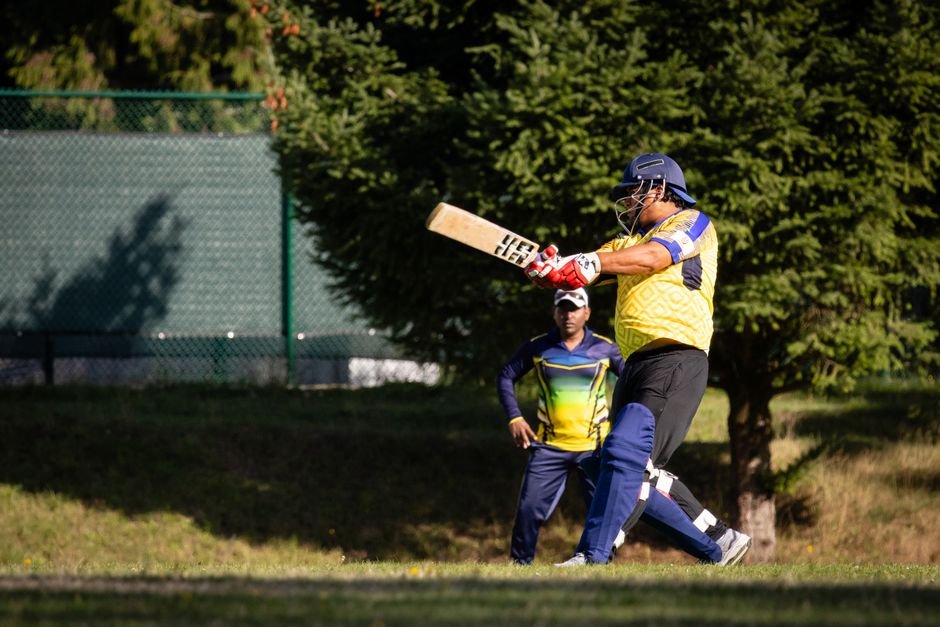
Learning how to field in cricket is just as important as batting or bowling. A sharp fielding side saves runs, takes wickets and wins matches. Whether you are playing club cricket or aspiring to something higher, mastering your catching, ground fielding and throwing technique will make you a genuine asset to any team.
Table of Contents
Why Fielding Matters More Than You Think
Fielding is often the most overlooked skill in cricket, yet it directly influences the outcome of every match. Poor ground fielding gifts boundaries. Dropped catches change games. Strong throwing creates run-outs from nowhere. The good news is that fielding is almost entirely about practice, athleticism and concentration rather than natural talent. Anyone can become an excellent fielder with the right habits.
- A single dropped catch can cost your team 30 or 40 extra runs
- Direct-hit run-outs are among the most momentum-shifting moments in cricket
- Tight ground fielding in the outfield regularly saves 15 to 20 runs per innings
Kookaburra Cricket Catching Practice Ball Set
Sharpen your catching and ground fielding with purpose-built practice balls designed for high-rep training sessions.
ⓘ Affiliate link — we earn a small commission if you buy, at no extra cost to you.
How to Field in Cricket: The Ready Position
Before you can catch, stop or throw, you need to start in the correct athletic position. This is the foundation of everything. Every professional fielder uses a ready stance, and you should too.
- Feet shoulder-width apart: Stand with your weight balanced evenly. Do not stand flat-footed. Stay on the balls of your feet so you can move instantly in any direction.
- Knees slightly bent: A slight knee bend lowers your centre of gravity and prepares your legs for explosive movement. Think of a goalkeeper or a basketball player waiting for a shot.
- Hands in front of your body: Keep your hands relaxed and low. This shortens your reaction time when the ball comes to you.
- Eyes on the bat: Watch the bowler deliver, then shift your focus entirely to the bat. Pick up the ball early and move before it reaches you.
- Move as the ball is bowled: Take a small step or a slight rock forward as the bowler delivers. This gets your body moving and dramatically improves your reaction speed.
Ground Fielding: Stopping the Ball Cleanly
Ground fielding covers everything from stopping a firm drive in the covers to chasing a ball to the boundary. Getting the basics right prevents easy runs and builds pressure on batters.
- Get your body behind the ball: Always try to get your body in line with the ball’s path. This gives you a second barrier if the ball takes an awkward bounce.
- Bend low with one knee down: For a standard long barrier stop, drop one knee to the ground behind your hands. This creates a wall that stops the ball even if your hands fumble.
- Soft hands on contact: Do not snatch at the ball. Allow it to come into your fingers with soft, giving hands. Hard hands cause fumbles and misfields.
- Attack the ball when possible: Rather than waiting for the ball to reach you, move towards it aggressively. This reduces the time the batter has to run.
- Always use two hands when the situation allows
- Call loudly when chasing with a team-mate to avoid collisions
- Practice the sliding stop for balls travelling to your side
Catching: Clean Hands and Soft Fingers
Catching is the skill that most directly takes wickets. It is also a skill many club players practise least. A few key principles will help you hold on under pressure.
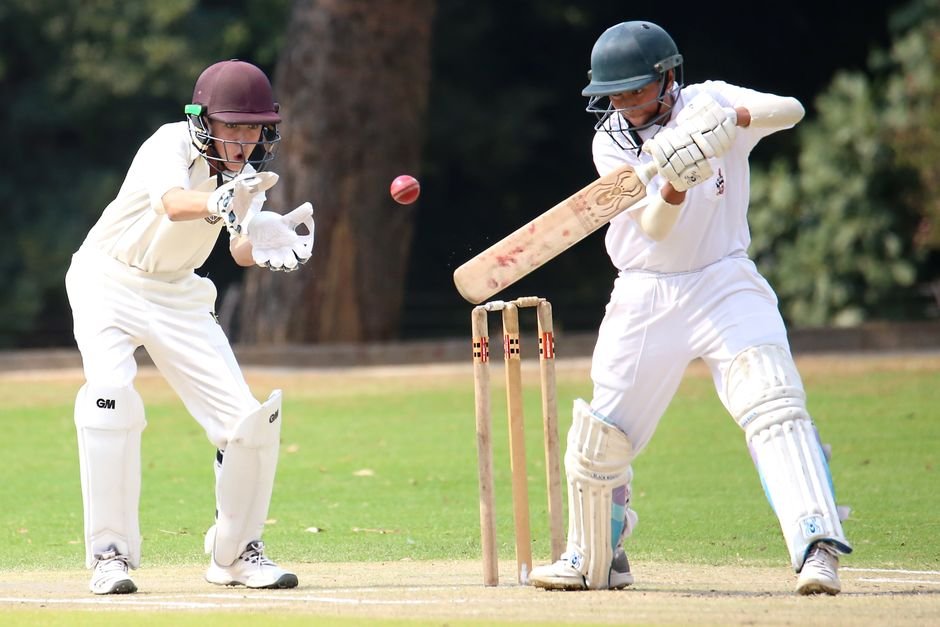
For catches below chest height, position your fingers pointing downward with your palms facing the ball. This is sometimes called the reverse cup. Cushion the ball by letting your hands give backwards slightly on contact.
For catches above chest height, fingers point upward, thumbs nearly touching. Your hands form a basket. Watch the ball all the way into your fingers and do not look away early.
At slip or gully, stay relaxed and low. Tense hands drop catches. Trust your instincts and let your hands react naturally. Watch the ball off the edge, not the bat itself.
- Keep watching the ball even after you feel it in your hands
- Practise high catches with a tennis ball to build confidence
- Communicate clearly in the deep to avoid misjudged skyers
Throwing: Accuracy and Power from the Field
A strong, accurate throw can create run-outs, save boundaries and intimidate batters into not attempting risky singles. Here is how to develop a reliable throw.
- Grip the ball across the seam: A cross-seam grip gives you more control and a cleaner release. Hold the ball firmly but not rigidly.
- Side-on body position: Turn your non-throwing shoulder towards your target. This generates power through your hips and core rather than just your arm.
- Aim at the top of the stumps: Always give your wicket-keeper or team-mate something to work with. A throw aimed at the stumps is easier to take cleanly than one aimed at the keeper’s gloves.
- Follow through fully: Let your throwing arm continue across your body after release. Cutting the follow-through reduces power and accuracy.
- Practise flat, hard throws: A flat throw reaches the keeper faster than a looping one. Work on throwing flat from the boundary with both hands where necessary.
Building Fielding Fitness and Confidence
Knowing how to field in cricket is one thing. Executing under match pressure requires physical conditioning and mental sharpness. Sprint work, reaction drills and regular catching practice before every session will build both.
Train with purpose. Ten minutes of focused catching drills is worth far more than an hour of casual throw-and-catch. Work on your weakest area first, whether that is the high catch, the diving stop or the flat throw from deep. Small, consistent improvements compound quickly over a season.
Understanding how to field in cricket at a technical level is only the start. The best fielders combine correct technique with genuine enthusiasm and competitive intensity. Celebrate the run-outs, chase every ball to the boundary and make fielding a point of personal pride. Your captain and team-mates will notice, and so will your opponents.
Conclusion
Great fielding wins tight cricket matches. By mastering the ready position, clean ground fielding, confident catching and accurate throwing, you will become the kind of fielder every captain wants in their side. Keep practising the fundamentals, stay low, move early and back yourself. The improvement will come faster than you expect.