
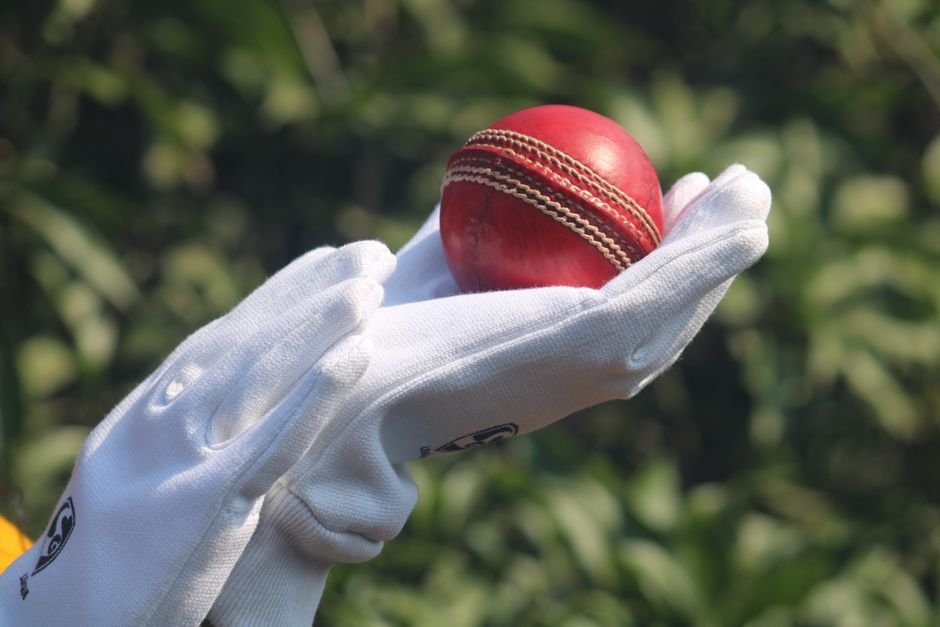
Learning how to bowl leg spin is one of the most rewarding challenges in cricket. It takes patience, repetition and a clear understanding of how your wrist and fingers control the ball. This guide breaks down everything a club bowler needs to know, from your grip and action to the variations that can bamboozle any batter.
Table of Contents
The Leg Spin Grip: Where It All Starts
Before you can spin the ball, you need the right grip. A loose, relaxed hold is far more effective than squeezing the ball tight.
- Place the ball across the top joints of your index and middle fingers
- Your ring finger sits alongside the seam and does most of the spinning work
- Your little finger rests lightly on the ball for balance
- Your thumb sits underneath, barely touching the ball
Readers Club Cricket Ball – Senior Red Leather Match Ball
Practice your leg spin grip and wrist position with a genuine leather ball that behaves just like match day.
ⓘ Affiliate link — we earn a small commission if you buy, at no extra cost to you.
The key point is this: the ball is spun off the third finger, not flicked by the wrist alone. Most beginners get this wrong and wonder why they are not getting turn.
How to Bowl Leg Spin: Wrist Position and Delivery Action
The wrist is what separates a leg spinner from every other type of bowler. Getting your wrist position right is non-negotiable.
- Load the wrist at the top of your action. As your bowling arm reaches its highest point, cock your wrist so the back of your hand faces the batter. This is called the loaded position.
- Drive your arm through powerfully. Your shoulder and arm speed generate the energy. Do not slow down to try and spin harder. Trust your action.
- Rotate the wrist from right to left. As the ball releases, your wrist rotates so that the back of your hand turns to face the sky. This motion is what imparts the leg spin rotation.
- Release the ball off the third finger. The ring finger flicks over the top of the ball at the point of release. Think of it as turning a doorknob anti-clockwise.
- Follow through fully. A complete follow through keeps you balanced and ensures maximum revolutions on the ball. Do not stop your arm short.
Practice this action without a ball first. Shadow bowl in front of a mirror and watch your wrist rotate cleanly through the release point.
Bowling the Loop: Flight and Dip
Loop is the leg spinner’s best weapon and it is completely free. Bowling with loop means tossing the ball up into the air slightly so it dips late and lands on a good length.
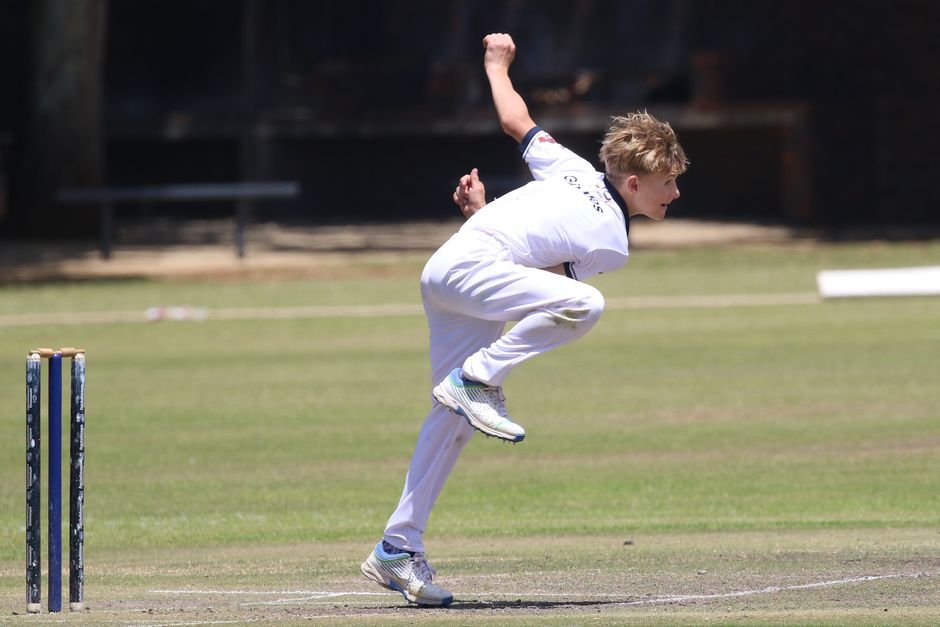
Why does loop matter? A batter who thinks the ball is going to be a half-volley suddenly finds it pitching a foot shorter than expected. That confusion creates false shots and catches in the outfield.
- Release the ball at a higher point in your arc, not flat and fast
- Aim to land it on a good length, around four to five metres from the batter
- Combine loop with side spin for drift through the air before the bounce
Do not be afraid of being hit. The greatest leg spinners in history all got hit occasionally. The loop is worth the risk.
Key Variations Every Leg Spinner Should Learn
Once your stock leg break is consistent, adding variations makes you genuinely dangerous. Here are the three you should prioritise.
The Googly
The googly turns the opposite way to the leg break, going from off to leg for a right-handed batter. You bowl it by rotating your wrist so the back of your hand faces the batter at release, rather than the sky. It takes months to control but it is worth every hour of practice.
The Top Spinner
This one goes straight on but dips sharply and bounces more than expected. Release it with your wrist pointing straight up so the spin is pure overspin. It is a brilliant wicket-taking delivery when a batter is looking to drive.
The Flipper
The flipper is squeezed out from under the hand with backspin. It skids through low and fast and is ideal for targeting the stumps. Only add the flipper once your leg break and googly are reliable. It puts strain on your fingers and takes time to develop.
Practice Drills to Build Consistency
- Bowl at a single stump from 15 yards to develop accuracy before moving to full length
- Use a rough surface ball to feel the spin feedback through your fingers
- Film your wrist position from behind to check your release point regularly
Aim for at least 30 minutes of focused bowling practice four times a week. Consistency comes from volume, not from occasional sessions.
Putting It All Together
Mastering how to bowl leg spin takes time and it is supposed to. Every session where you land your googly, loop one past the outside edge or get extra bounce with a top spinner is progress. Stick to the fundamentals: grip, wrist position, a full action and plenty of loop. Keep practicing your variations one at a time and trust the process. Leg spin is the most beautiful craft in cricket and learning how to bowl leg spin properly will make you a match-winner at any level of the game.