
Photo by Picture & Poet on Unsplash
Good footwork separates average batters from great ones. This cricket batting footwork guide breaks down the two core movements every batter must master: front foot play and back foot play. Whether you’re facing a swinging delivery in England or a bouncing pitch in Australia, your feet decide everything before your bat even moves.
Table of Contents
- Why Footwork Is the Foundation of Good Batting
- The Cricket Batting Footwork Guide: Front Foot Play Explained
- How to Execute Front Foot Movement
- Back Foot Play: Reading Short and Good-Length Deliveries
- How to Execute Back Foot Movement
- Common Footwork Mistakes and How to Fix Them
- Drills to Improve Your Cricket Batting Footwork
- Conclusion
Why Footwork Is the Foundation of Good Batting
Your footwork determines your balance, your position at the crease, and how cleanly you connect with the ball. Poor footwork means you’re playing from an awkward position, which leads to edges, mistimed shots, and dismissals that should never happen.
The best batters in the world move their feet instinctively. That instinct comes from deliberate practice and understanding the basic principles behind each movement.
Gray-Nicolls Cricket Batting Throw Down Footwork Trainer Cones Set
Mark your crease positions precisely and drill front & back foot movement until it becomes instinct.
ⓘ Affiliate link — we earn a small commission if you buy, at no extra cost to you.
- Good footwork gets you close to the pitch of the ball
- It keeps your head still and eyes level
- It gives you control over the shot you play
- It reduces the chance of playing away from the body
The Cricket Batting Footwork Guide: Front Foot Play Explained
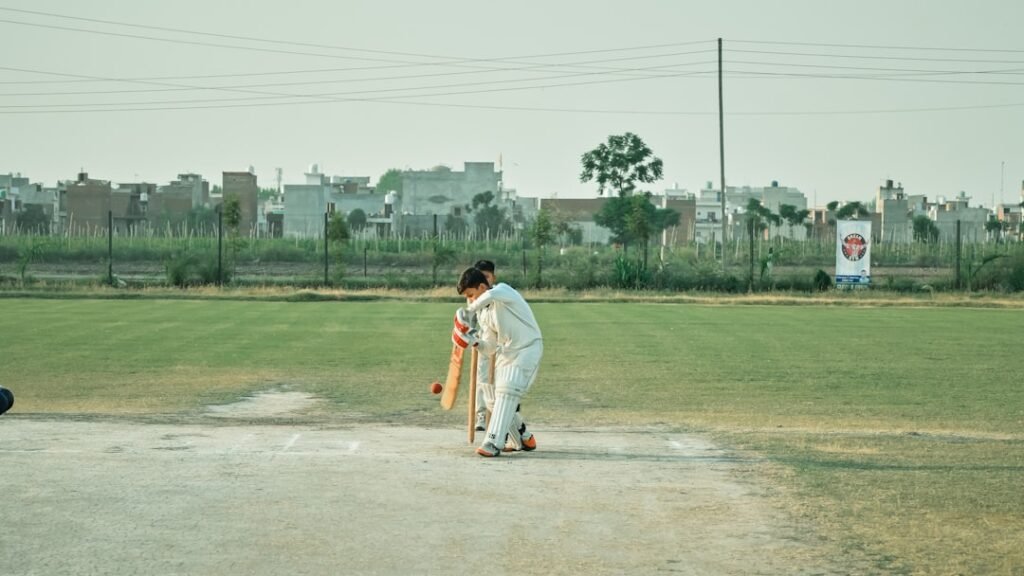
Front foot play is triggered when the ball is pitched full, typically in the half-volley or full-length area. You move your front foot forward toward the pitch of the ball, transferring your weight forward and getting into a strong hitting position.
The key is to lead with your front foot toward the line of the ball, not just straight down the pitch. If the ball is outside off stump, your foot should move in that direction, not toward mid-on.
How to Execute Front Foot Movement
- Watch the ball from the bowler’s hand early
- Identify the length as full during the delivery stride
- Step your front foot toward the pitch of the ball
- Bend your front knee slightly on contact
- Keep your head over the ball and eyes level
Front foot shots include the cover drive, straight drive, on drive, and the defensive push. Each of these relies on your front foot landing in the right position to allow a full, free swing of the bat.
One common mistake is stepping too square, which opens your body and forces the bat across the line. Always step toward the ball, not around it.
Back Foot Play: Reading Short and Good-Length Deliveries
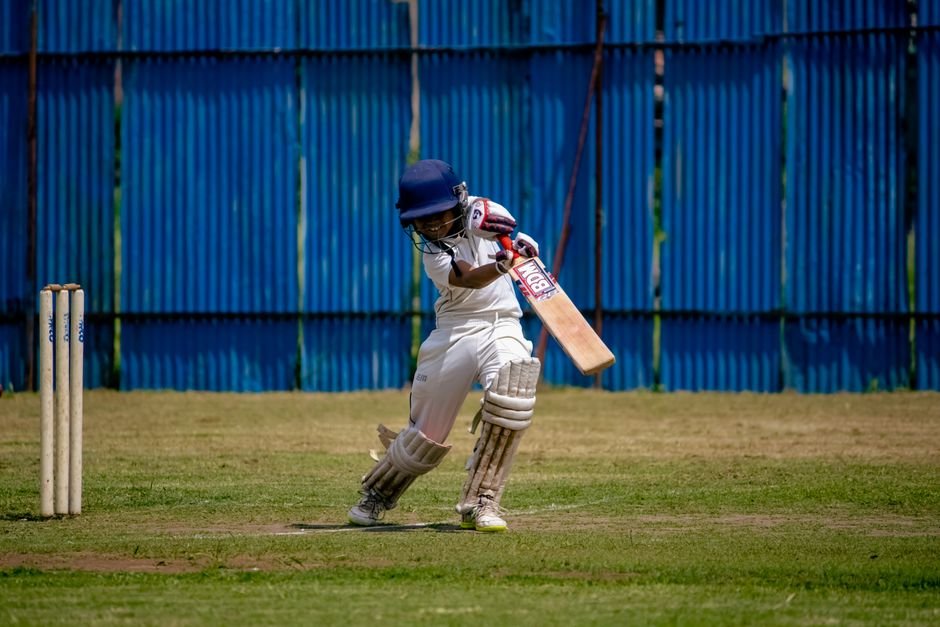
Back foot play is your response to short-pitched or good-length deliveries. When the ball is not full enough to drive, you transfer your weight back and across toward the stumps, creating time and space to play the ball.
Moving back and across is the foundation of back foot defence and attacking play. This movement gets your head in line with the ball and allows you to control the shot without reaching or prodding.
How to Execute Back Foot Movement
- Pick up the shorter length early from the bowler’s release
- Move your back foot back and slightly across toward off stump
- Shift your weight onto the back foot
- Keep your head still and watch the ball closely through the air
- Play the ball close to your body where possible
Back foot shots include the pull shot, hook shot, cut shot, and back foot punch through the off side. These are attacking options when a bowler drops short. The back foot defence is your go-to when the ball stays in the channel outside off stump.
Common Footwork Mistakes and How to Fix Them
Even experienced batters fall into bad habits. Knowing what to watch for can save you a lot of wickets.
- Hard feet: Failing to commit to either front or back foot, leaving you stuck in the crease
- Falling away: Head falling to leg side on back foot shots, causing edged cuts and pulls
- Overstepping: Lunging too far forward without bending the knee, reducing control
- Playing square: Front foot pointing to square leg instead of toward the ball
The fix for most of these is simple in theory but demands repetition in practice. Use throw-downs or a bowling machine to drill specific lengths and train your feet to respond automatically.
Drills to Improve Your Cricket Batting Footwork
Footwork improves fastest through deliberate, structured practice. Here are proven drills used at professional level.
- Cone drill: Place cones at front foot and back foot landing positions and focus on hitting them consistently
- Shadow batting: Practice movement patterns without a ball to build muscle memory
- Short-pitch machine sessions: Set the machine to bowl short of a length and drill the back and across movement
- Full-length throw-downs: Focus on driving on the front foot with correct foot placement
Even 15 minutes of focused footwork practice each session will produce noticeable results within weeks.
Conclusion
Footwork is not a minor detail. It is the engine behind every great innings. This cricket batting footwork guide gives you the framework to understand and improve both front foot and back foot play. Commit to the drills, focus on your movement in the nets, and your overall batting will improve significantly. The bat follows the feet. Get your feet right first.