
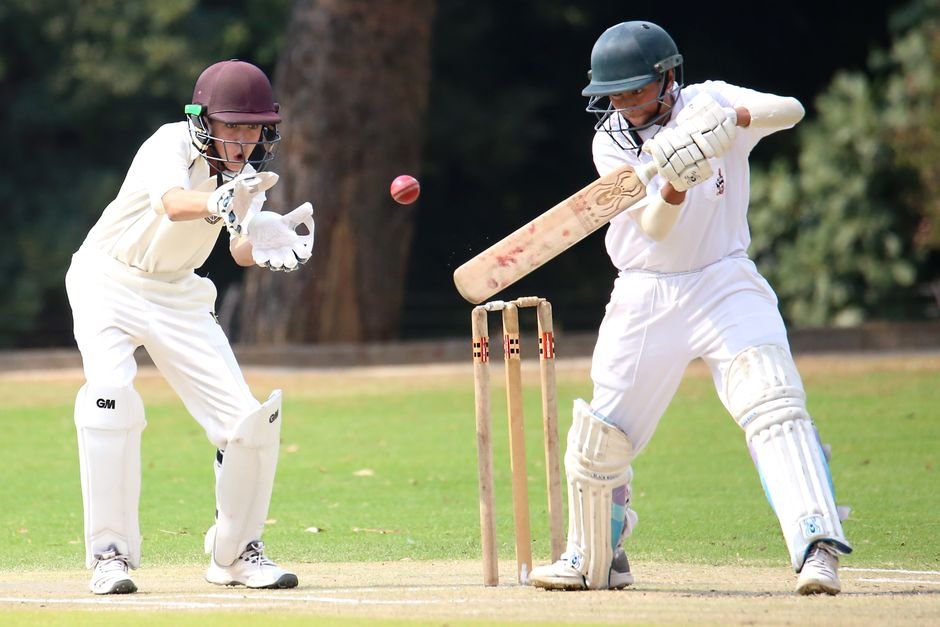
Learning how to keep wickets in cricket is one of the most rewarding skills you can develop as a player. The wicketkeeper is involved in every single delivery, and a strong keeper can change the outcome of a match. Whether you are new to keeping or looking to sharpen your technique, this guide covers everything you need to build confidence behind the stumps.
Table of Contents
The Fundamentals of How to Keep Wickets in Cricket
Great keeping starts with understanding three core pillars: positioning, footwork, and glove technique. Get these right and everything else falls into place. Ignore them and even talented keepers will drop catches and miss stumpings. Build your game on these foundations from day one.
Wicketkeeper Positioning: Getting Your Stance Right
Your starting position sets up every action you take. A poor stance creates problems that are very hard to fix once the ball is in flight.
Gray-Nicolls Wicketkeeper Gloves
Professional-grade keeping gloves built for clean catches and sharp stumpings behind the stumps.
ⓘ Affiliate link — we earn a small commission if you buy, at no extra cost to you.
- Set your feet shoulder-width apart. Balance is everything. Your weight should sit evenly across both feet, with your heels slightly raised. Never go flat-footed behind the stumps.
- Crouch low and stay comfortable. Your thighs should be roughly parallel to the ground. A low, relaxed crouch lets you move quickly in any direction. Tense keepers are slow keepers.
- Position your gloves just above the ground. Keep them together, pointing downward between your legs. This is your ready position. The gloves should be soft and relaxed, not rigid.
- Align your eyes with the top of the stumps. This gives you the best sightline to read the ball early off the pitch. Early ball-reading is what separates good keepers from great ones.
- Stand up or stand back based on the bowler. For pace bowlers, stand well back behind the crease. For spinners and slow-medium bowlers, stand up to the stumps to create stumping pressure and cut off singles.
Practice your stance in front of a mirror. It sounds simple, but most club keepers never do it. A strong default stance removes mental clutter when the ball is bowled.
Footwork: Moving Fast and Efficiently
Good gloves mean nothing without good feet. Footwork is what gets you into position to actually use your technique.
- Use small, quick shuffle steps rather than large lunging strides. You want to stay balanced throughout your movement.
- Always move to the ball, not away from it. Push off your inside foot toward the line of the ball as early as possible.
- Keep your head still and level as you move. Head movement causes you to misjudge line and length at the last moment.
When the ball moves down the leg side, turn your hips and push off your right foot (for a right-handed keeper). Get your head behind the ball before it arrives. The leg-side stumping is one of the hardest skills in cricket, but quick hip rotation makes it achievable.
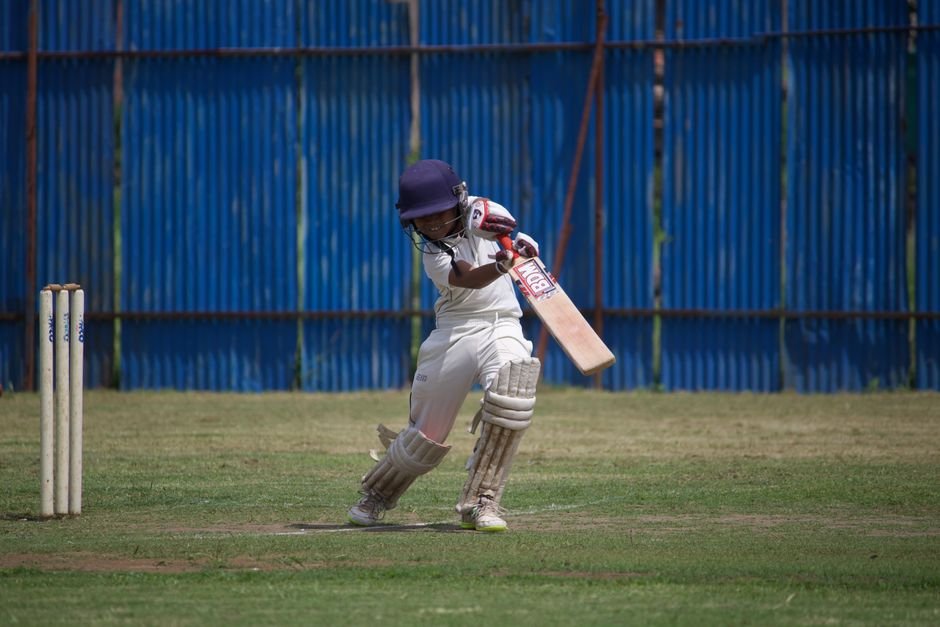
Drill your footwork with throwdowns from close range. Ask a teammate to throw randomly to your left, right and straight at you while you practice getting into position quickly and cleanly.
Glove Technique: Catching and Collecting Cleanly
Your hands are your primary tools. Learning proper glove technique is essential to mastering how to keep wickets in cricket at any level.
- Give with the ball. As the ball enters your gloves, let your hands move back slightly with the delivery. This absorbs impact and reduces drops dramatically.
- Catch with soft hands. Tense, hard hands cause the ball to pop out. Think of your gloves as a cushion, not a wall.
- Watch the ball all the way into the gloves. It sounds obvious but many keepers take their eyes off the ball a fraction early. Discipline your eyes every single delivery.
- Take the ball on one side of your body when possible. Catching the ball in front of your body is ideal. Reaching across your body off the outside edge is when technique breaks down.
For wide deliveries and outside edges, lead with your top hand and keep your bottom hand supporting. Never stab at the ball with a single hand unless it is absolutely necessary. Two hands are always safer and stronger.
Common Wicketkeeping Mistakes to Avoid
Even experienced keepers fall into bad habits. Watch out for these:
- Standing too tall in your crouch and being caught high when the ball stays low
- Moving your feet before the ball is bowled, breaking your balance early
- Rushing the collection and snatching at the ball instead of receiving it cleanly
- Forgetting to communicate with fielders and the captain between deliveries
Keeping wickets is a mental game as much as a physical one. Stay present, stay low, and stay loud behind the stumps. Your voice lifts the whole team.
Building Your Skills Over Time
The best way to master how to keep wickets in cricket is through deliberate, consistent practice. Spend at least 20 minutes every session on pure keeping drills, separate from batting and fielding work. Use a rebound net, work with a spin bowler regularly, and film yourself from the side to check your crouch and glove position. Progress will come faster than you expect.
Learning how to keep wickets in cricket takes patience, but the rewards are enormous. A sharp wicketkeeper creates chances, builds pressure, and energises the whole team. Trust the process, commit to the basics, and you will become the most valuable player on the park.