
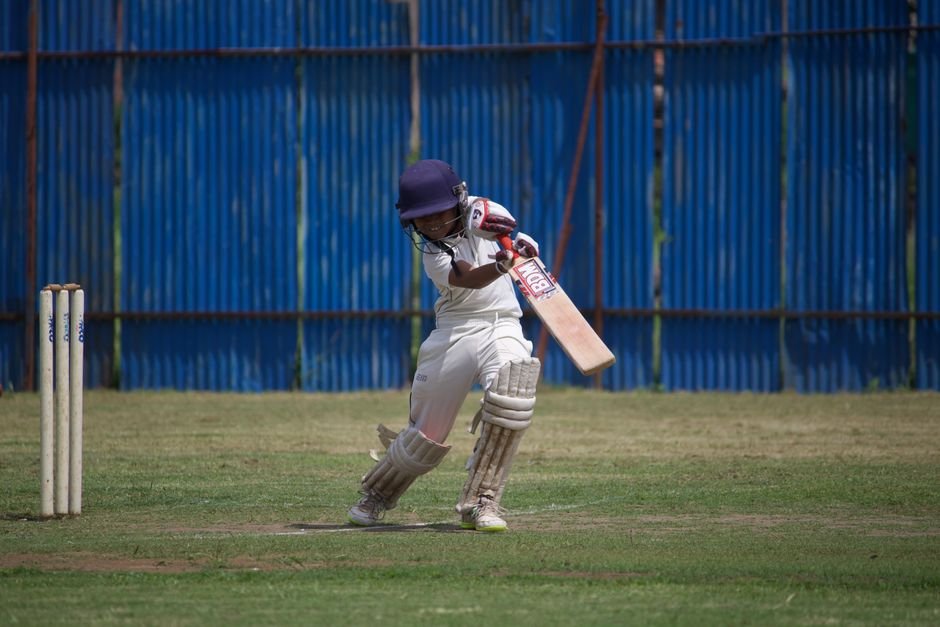
If you want to dominate short-pitched bowling, learning how to play pull shot cricket is one of the most rewarding skills you can develop. The pull shot is aggressive, powerful and deeply satisfying when timed correctly. This guide breaks down the technique, timing cues and practice drills so you can build confidence against the short ball at any level of the game.
Table of Contents
What Is the Pull Shot and When Should You Play It?
The pull shot is played against a short-pitched delivery that rises between hip and shoulder height. You hit it hard and horizontally, directing the ball anywhere from square leg to fine leg. It is one of the most attacking strokes in cricket and can completely change the momentum of a match.
You should play the pull shot when:
Masuri T Line Steel Cricket Helmet
Stay protected against short-pitched bowling with a certified cricket helmet built for aggressive stroke play.
ⓘ Affiliate link — we earn a small commission if you buy, at no extra cost to you.
- The ball is short of a length and rises to hip or chest height
- The delivery is on or outside off stump with enough pace to work with
- You have identified the length early and have time to get into position
Avoid the pull shot against slower bowlers who drag you into the stroke early, or when the bounce is uneven and unpredictable.
How to Play Pull Shot Cricket: Step-by-Step Technique
Good technique is what separates a controlled pull from a top edge to fine leg. Follow these steps to build a solid, repeatable action.
- Read the length early: As the bowler releases the ball, watch the length cue from the hand and pitch. A short ball sits back in the hand longer. The earlier you spot it, the more time you have to set up.
- Move back and across: Quickly transfer your weight back onto the back foot and move slightly across towards off stump. This creates space and puts you in line with the ball. Your back foot should point towards square leg.
- Get into a strong base: Bend your knees and lower your body slightly. This helps you stay under the ball and control the shot rather than scooping at it. Keep your head still and eyes level.
- Swing through the line: As the ball reaches you, swing your arms horizontally with a full, powerful arc. Keep your top hand firm and lead the shot with your bottom hand for power. Contact the ball in front of your body, not beside or behind it.
- Roll the wrists and follow through: After contact, roll your wrists to keep the ball down. A full follow-through pointing towards the target area confirms you have committed to the shot properly.
Common Mistakes to Avoid
Even experienced batters make errors on the pull shot. Knowing what to watch for helps you self-correct faster.

- Top edging: Usually caused by not getting back and across quickly enough, or swinging too early
- Getting hit by the ball: A sign you are not reading the length soon enough or your feet are not moving
- Hitting straight to a fielder: Not rolling the wrists, which causes the ball to fly in the air rather than staying down
- Losing balance: Often happens when you swing too hard without a solid base underneath you
Timing the Pull Shot Perfectly
Timing is everything. The pull shot is not about brute strength. The best pull shots come from meeting the ball at exactly the right moment, just as it reaches the hitting zone in front of your body.
A useful cue: if you feel like you are reaching or lunging for the ball, you have moved too late. If the ball seems to crash into you, you have not moved back far enough. Good timing feels effortless and produces a sharp crack off the bat.
Watch how players like Rohit Sharma and David Warner set up. Notice how still their heads are and how early they move into position. That stillness and early movement is the foundation of great timing on the pull shot.
Practice Drills to Master How to Play Pull Shot Cricket
Repetition in the nets builds muscle memory and confidence. Use these drills regularly.
- Throwdowns from 10 to 12 metres: Ask a partner to throw short and hard from a close distance. Focus purely on footwork and getting back and across correctly before swinging.
- Bobble feed drill: Bounce a ball hard off a flat surface and practice the full swing in your back garden. This builds the swing pattern without needing a partner.
- Shadow batting: Practise the footwork pattern without a ball. Move back and across, set your base, swing through and follow through. Repeat 20 times before every net session.
- Short-pitch net sessions: Ask your coach or bowler to bowl specifically short to you. Set a goal of 30 pull shots per session before worrying about runs.
Building Confidence Against Short-Pitched Bowling
Knowing how to play pull shot cricket is only half the challenge. The other half is having the confidence to back yourself when a quick bowler tests you with the short ball in a match.
Start small. When you land a clean pull in the nets, note how that felt. Recreate it. Every session should add one or two small improvements rather than trying to overhaul everything at once. Trust your preparation.
Mastering how to play pull shot cricket will make you a far more complete and dangerous batter. Work through the steps, fix the common mistakes and drill consistently. The short ball that once felt threatening will soon feel like an opportunity. Get into the nets, stay patient with yourself and enjoy the process of turning a weakness into one of your strongest weapons.