
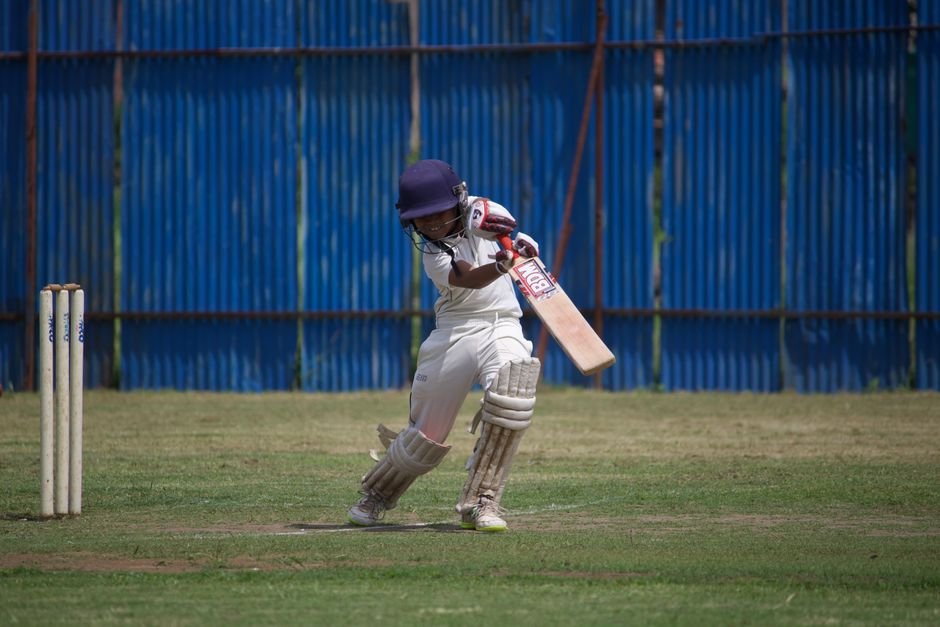
If you’ve just bought a new cricket bat, the first thing you need to do before facing a single delivery is prepare it properly. Knowing how to oil a cricket bat correctly can be the difference between a bat that lasts one season and one that serves you for five or more. Oiling protects the willow, prevents cracking, and helps the bat perform at its best from day one.
Table of Contents
Why Oiling Your Cricket Bat Matters
A new bat straight from the manufacturer is dry. The willow needs moisture to stay supple and absorb impact without splitting. Skipping this step is one of the most common mistakes club players make, and it can ruin an expensive piece of equipment within weeks.
- Prevents surface cracking during knocking-in
- Extends the lifespan of the bat significantly
- Improves performance by maintaining the willow’s natural flexibility
- Protects against moisture from damp grass and heavy play
Woodoc Raw Linseed Oil for Cricket Bats
Pure raw linseed oil to nourish and protect your willow bat, preventing cracks and extending its life for seasons to come.
ⓘ Affiliate link — we earn a small commission if you buy, at no extra cost to you.
Think of it like conditioning leather boots. You wouldn’t wear brand new boots on a long hike without treating them first. Your bat deserves the same care.
What Type of Oil Should You Use?
Always use raw linseed oil. This is the industry standard and what most professional players and coaches recommend. Boiled linseed oil dries too hard and can actually damage the willow over time.
You can buy raw linseed oil from most cricket shops or online retailers. One small bottle is more than enough to treat a bat multiple times through a full season.

- Use raw linseed oil only, not boiled
- Avoid olive oil, vegetable oil, or other household alternatives
- Some specialist cricket bat oils are also acceptable if they specify willow treatment
How to Oil a Cricket Bat: Step-by-Step Process
Follow this process carefully before you knock in your bat or face any balls. Do not rush this stage. Patience here will pay off for years to come.
- Step 1 – Prepare your workspace: Lay the bat flat on a clean surface. Make sure the bat is dry and at room temperature. Do not oil a bat that is cold or damp.
- Step 2 – Apply a thin coat of raw linseed oil: Pour a small amount of oil onto a clean cloth or use your fingers. Apply a thin, even layer across the face, edges, back, and toe of the bat. Avoid the splice and the handle completely.
- Step 3 – Leave it to absorb: Place the bat horizontally and allow it to absorb the oil for 24 hours. Laying it face down for part of this time helps oil soak into the face and toe.
- Step 4 – Wipe away any excess: After 24 hours, gently wipe off any oil sitting on the surface with a dry cloth. You do not want oil pooling or making the bat sticky.
- Step 5 – Repeat the process: Apply two to three more coats over the following days, waiting 24 hours between each coat. Most coaches recommend three to four total applications for a new bat.
- Step 6 – Final check before knocking in: After the final coat has dried and been wiped down, your bat is ready for the knocking-in stage. The willow should feel slightly nourished and not dry to the touch.
Common Mistakes to Avoid When Oiling
Even experienced players get this wrong sometimes. Watch out for these errors when you learn how to oil a cricket bat for the first time.
- Over-oiling – Too much oil makes the bat heavy and soft. Three to four light coats is enough
- Oiling the handle – The cane handle and rubber grip do not need oil and can be damaged by it
- Using too much at once – Thin coats absorbed slowly are far more effective than one heavy application
- Rushing the drying time – Give each coat a full 24 hours. Do not use a hair dryer to speed things up
How Often Should You Oil a Cricket Bat During the Season?
Oiling is not just a pre-season task. Throughout the season, check your bat regularly for signs of dryness or fine surface cracks forming. Apply one coat of raw linseed oil every four to six weeks during heavy use.
At the end of the season, give the bat two to three coats before storing it in a cool, dry place. This keeps the willow in excellent condition during the off-season months.
Understanding how to oil a cricket bat properly is one of the simplest ways to protect your investment. A well-maintained bat not only lasts longer but also performs more consistently. Follow these steps with every new bat you buy, keep up with seasonal maintenance, and your willow will reward you with years of reliable performance out in the middle.