
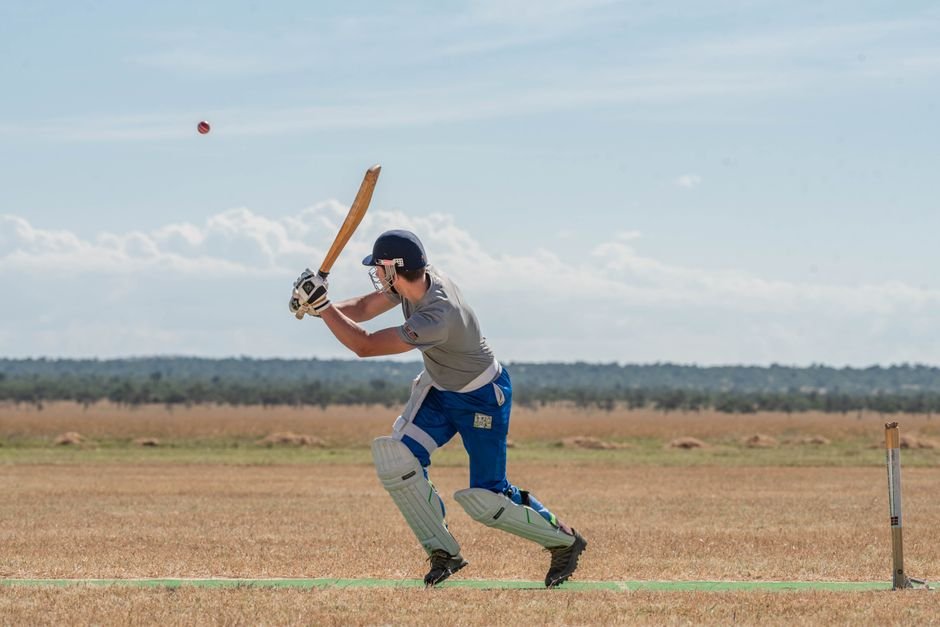
If you’ve just bought a new cricket bat, learning how to knock in a cricket bat is the most important thing you can do before stepping onto the field. Skipping this process is one of the most common mistakes club cricketers make, and it can lead to your bat cracking on the very first powerful shot. Proper preparation protects your investment and dramatically improves your bat’s performance and lifespan.
Table of Contents
Why Knocking In Your Cricket Bat Matters
A brand new cricket bat is made from raw willow. The wood fibres are still soft, open, and vulnerable to impact. When a hard cricket ball strikes an unprepared bat, it can cause surface cracks, splits along the edges, or even a complete break through the splice.
Knocking in compresses and hardens those wood fibres gradually, creating a toughened hitting surface. Think of it like breaking in a new pair of cricket boots. You wouldn’t run a marathon in them straight out of the box.
Gray-Nicolls Cricket Bat Mallet for Knocking In
Properly harden your bat's willow fibres with a weighted cricket mallet — essential for every step of the knocking-in process.
ⓘ Affiliate link — we earn a small commission if you buy, at no extra cost to you.
- Prevents cracking on the edges and toe of the bat
- Extends the bat’s lifespan significantly, often doubling it
- Improves performance as the willow becomes more responsive over time
- Protects your financial investment, since quality bats are expensive
What You Need Before You Start
Before you begin the process of how to knock in a cricket bat properly, make sure you have the right equipment ready. Starting with the wrong tools or skipping the oiling stage will undermine the entire process.
- A specialist bat mallet or old cricket ball in a sock
- Raw linseed oil (not boiled linseed oil)
- A soft cloth for applying oil
- An old cricket ball for throw-down practice
- Patience. This process takes several days done correctly
How to Knock In a Cricket Bat: Step-by-Step Process
Follow these steps carefully and in order. Rushing this process is just as damaging as not doing it at all. Allow proper drying time between each stage.
-
Step 1: Oil the Bat
Apply a thin coat of raw linseed oil to the face, edges, and toe of the bat. Avoid the splice and handle completely. Lay the bat face up at a slight angle and let it absorb the oil for 24 hours. Repeat this process two to three times. Do not over-oil. Too much oil adds unnecessary weight and can actually weaken the willow.

-
Step 2: Begin Light Mallet Work
After oiling, begin using your bat mallet with light, controlled strokes. Start on the face of the bat, working from the centre outward toward the edges. Use about 20 to 30 minutes of gentle tapping. You are not trying to hit hard here. You are encouraging the fibres to compress slowly and evenly.
-
Step 3: Work the Edges and Toe
The edges and toe are the most vulnerable parts of any bat. Once the face feels firmer, gradually work the mallet along the edges using angled strokes. Round off sharp edges very slightly. Give extra attention to the toe, as this is where moisture and impact damage most commonly occur.
-
Step 4: Gradually Increase Force
Over several sessions across four to five days, slowly increase the power of your mallet strikes. By the end of this stage, you should be hitting with reasonable force and the surface should feel noticeably harder and more compact. Total mallet time should be at least four to six hours.
-
Step 5: Move to Throw-Down Practice
Now use an old cricket ball for throw-downs or hit against a throw-down machine using reduced pace. Start with half-pace deliveries aimed at the middle of the bat. Gradually move to fuller pace over a further two or three sessions. Avoid facing fast bowling or playing drives near the edges until this stage is fully complete.
Common Mistakes to Avoid
Even players who understand how to knock in a cricket bat sometimes cut corners. Here are the errors that cause the most damage.
- Using a new ball too early before knocking in is complete
- Over-oiling the bat or applying oil to the handle
- Using a metal mallet or hammer instead of a proper bat mallet
- Skipping the oiling stage entirely and going straight to mallet work
- Rushing the entire process into a single afternoon
How Long Does the Full Process Take?
Realistically, proper preparation takes between one and two weeks if you include oiling, mallet work, and graduated net sessions. Many professional players spend even longer. There is no shortcut that delivers the same result.
Some players use a bat knocking machine available at specialist cricket shops. This can reduce manual time but should still be combined with oiling and net sessions to achieve the best outcome.
Conclusion
Knowing how to knock in a cricket bat properly is a skill every serious club cricketer should master. It takes time and patience, but the reward is a bat that performs at its peak and lasts for many seasons. Follow each step, resist the temptation to rush, and your bat will repay you with confidence at the crease. Treat your equipment well and it will take care of you.