
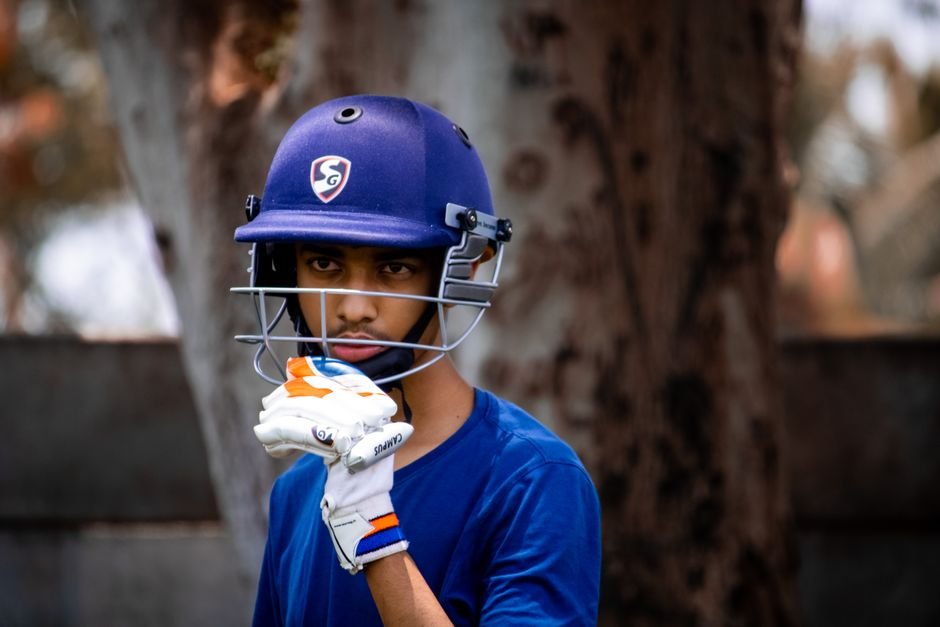
Choosing the right hand protection can make or break your time at the crease. Whether you’re a club player or a serious amateur, this cricket batting gloves buying guide covers everything you need to make a smart, informed purchase. From materials and sizing to price points and top brands, we’ve got you covered.
Table of Contents
- Why Batting Gloves Matter More Than You Think
- Key Factors to Consider in This Cricket Batting Gloves Buying Guide
- Protection and Padding
- Materials and Construction
- Fit and Sizing
- Playing Level and Budget
- Top Brands Worth Considering
- Maintenance Tips to Extend Glove Life
- Where to Buy and What to Watch Out For
- Conclusion
Why Batting Gloves Matter More Than You Think
Batting gloves aren’t just about protection from a 90mph delivery. They affect your grip, your comfort, and ultimately your confidence at the plate. A poorly fitted glove can cause blisters, reduce bat control, and even lead to hand injuries over time.
Good gloves absorb vibration from mishits, reduce fatigue during long innings, and keep your hands dry in warm conditions. Investing in the right pair is as important as choosing your bat.
Gray-Nicolls Predator3 Cricket Batting Gloves
Premium protection meets comfort — ideal for club players seeking pro-level hand safety and bat control.
ⓘ Affiliate link — we earn a small commission if you buy, at no extra cost to you.
Key Factors to Consider in This Cricket Batting Gloves Buying Guide
Before you spend your money, understand what separates a great glove from a mediocre one. Here are the core factors every buyer should evaluate.
Protection and Padding
Look for gloves with high-density foam or rubber padding on the fingers and thumb. The top hand (left for right-handers) takes the most punishment, so prioritise padding on that side. Premium gloves use multi-layered foam systems for better shock absorption.
Materials and Construction
- Leather palm: Offers the best grip and durability. Full-grain leather is the gold standard for serious players.
- Synthetic palm: More affordable and easier to maintain, but wears faster under regular use.
- Mesh back panels: Essential for ventilation, keeping your hands cool during long innings.
- Cane or foam rolls: Finger rolls made from cane are more traditional and durable; foam rolls are lighter and flexible.
Fit and Sizing
A glove that is too tight restricts movement and cuts off circulation. One that is too loose reduces grip and bat control. Measure from the base of your palm to the tip of your middle finger to find your correct size. Most brands use Small, Medium, Large, and XL sizing for adults.

Junior gloves come in separate sizing scales, so always check the brand’s specific size chart before buying online.
Playing Level and Budget
Your playing level should drive your budget decision. Here is a quick breakdown:
- Recreational or beginner: Spend between 15 and 35 pounds or 1,500 and 3,500 rupees. Synthetic gloves work fine at this level.
- Club or intermediate: Budget 35 to 70 pounds or 3,500 to 7,000 rupees. Look for leather palms and better finger protection.
- Advanced or semi-professional: Invest 70 pounds and above or 7,000 rupees and above. Full-grain leather, multi-roll finger protection, and premium ventilation are must-haves.
Top Brands Worth Considering
The market has strong options across every budget. These brands consistently deliver quality across different price points.
| Brand | Best For | Price Range |
|---|---|---|
| Gray-Nicolls | Club to professional players | Mid to premium |
| Kookaburra | All levels, strong in Australia | Entry to premium |
| SG | Indian market, great value | Entry to mid |
| Gunn and Moore | UK club players | Mid to premium |
| SS Ton | Budget-conscious buyers | Entry to mid |
Maintenance Tips to Extend Glove Life
Even the best gloves wear out quickly without proper care. Follow these simple steps to get the most from your investment.
- Air dry your gloves after every session. Never leave them damp in your kit bag.
- Apply leather conditioner to the palm every few weeks to prevent cracking.
- Avoid leaving gloves in direct sunlight for extended periods, as UV exposure degrades foam padding.
- Inspect finger rolls regularly and replace gloves when padding compresses significantly.
Where to Buy and What to Watch Out For
Trusted sports retailers, brand websites, and established online platforms like Amazon and specialist cricket stores are your safest bets. Avoid suspiciously cheap gloves from unverified sellers, as counterfeit products offer little real protection.
If possible, try gloves on in store before buying. Feel how they flex, check the thumb protection, and simulate a batting grip to confirm the fit is right for you.
Conclusion
This cricket batting gloves buying guide should give you the confidence to make the right choice for your game, budget, and playing level. Prioritise fit, protection, and material quality above brand names alone. The right gloves protect your hands, sharpen your grip, and help you focus entirely on scoring runs. Use this cricket batting gloves buying guide every time you are ready to upgrade your kit.