
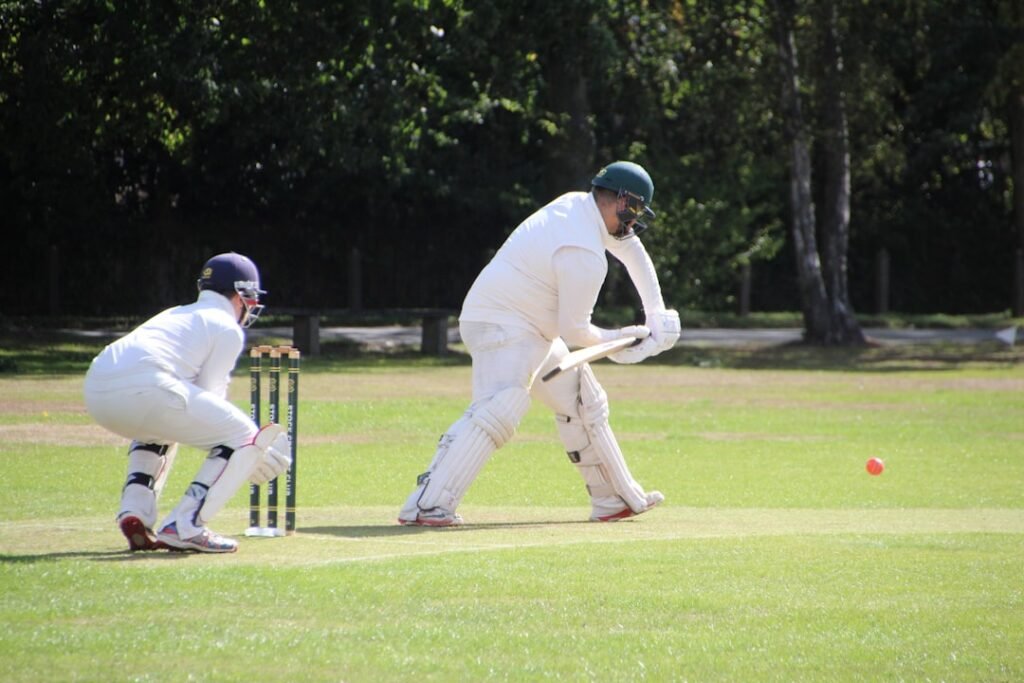
Photo by Village Cricket Co on Unsplash
If you want to become a better batter, learning how to grip a cricket bat correctly is the single most important technical skill you can develop. A poor grip leads to mistimed shots, loss of control, and even injury. Get it right, and everything else, your footwork, your swing, your timing, becomes easier. This guide breaks down the three main bat grips, compares their strengths, and helps you decide which one suits your game.
Table of Contents
Why the Grip Matters More Than You Think
Your grip is the only point of contact between you and the bat. It controls the face angle at impact, the power you generate, and your ability to play both sides of the wicket. Even experienced club players often bat with a grip they have never properly examined. Taking 10 minutes to reassess your grip could genuinely transform your batting.
- A correct grip allows a full range of wrist movement, which is essential for driving, cutting, and pulling.
- A faulty grip restricts bat swing and causes you to drag the ball or mistime consistently.
- Grip issues are the root cause of many common technical faults coaches see in club cricket.
Readers Extra Tacky Cricket Bat Grip
Fresh grip = better control. Replace your worn grip and instantly feel the difference in your V-grip technique.
ⓘ Affiliate link — we earn a small commission if you buy, at no extra cost to you.
How to Grip a Cricket Bat: The Standard V-Grip (Step by Step)
The V-grip is the foundation of batting technique taught at every junior academy and used by the vast majority of professional batters. If you are just starting out, this is where you begin.
- Position the bat face-down on the ground. Stand behind the bat with the handle pointing toward you. This is the correct starting position before you even pick it up.
- Pick the bat up naturally by the handle. Wrap your top hand (left hand for right-handers) around the handle first. Your grip should feel relaxed, not rigid.
- Align the V shapes. The V formed between your thumb and index finger on both hands should point roughly between the outside edge and the spine of the bat.
- Place your bottom hand below the top hand. Leave a small gap of roughly one finger-width between the two hands. This allows independent wrist movement through the shot.
- Check your grip pressure. Hold the bat at about a 5 out of 10 pressure. Tight enough for control, relaxed enough for feel and timing.
The V-grip promotes a naturally straight bat and gives you excellent control through the off-side. It is the best grip for beginners and the benchmark against which all other grips are compared.
The Wrists-Behind Grip (Rotated Grip)
Some batters, particularly aggressive stroke-players, rotate both hands slightly clockwise (for right-handers). This moves the Vs toward the spine of the bat. You will see variations of this used by hard-hitting batters who love to work the ball through the leg side and hit straight down the ground.
- Increases power through the on-side.
- Makes it easier to hit over the top in T20 cricket.
- Can limit your ability to play the cut shot and cover drive effectively.
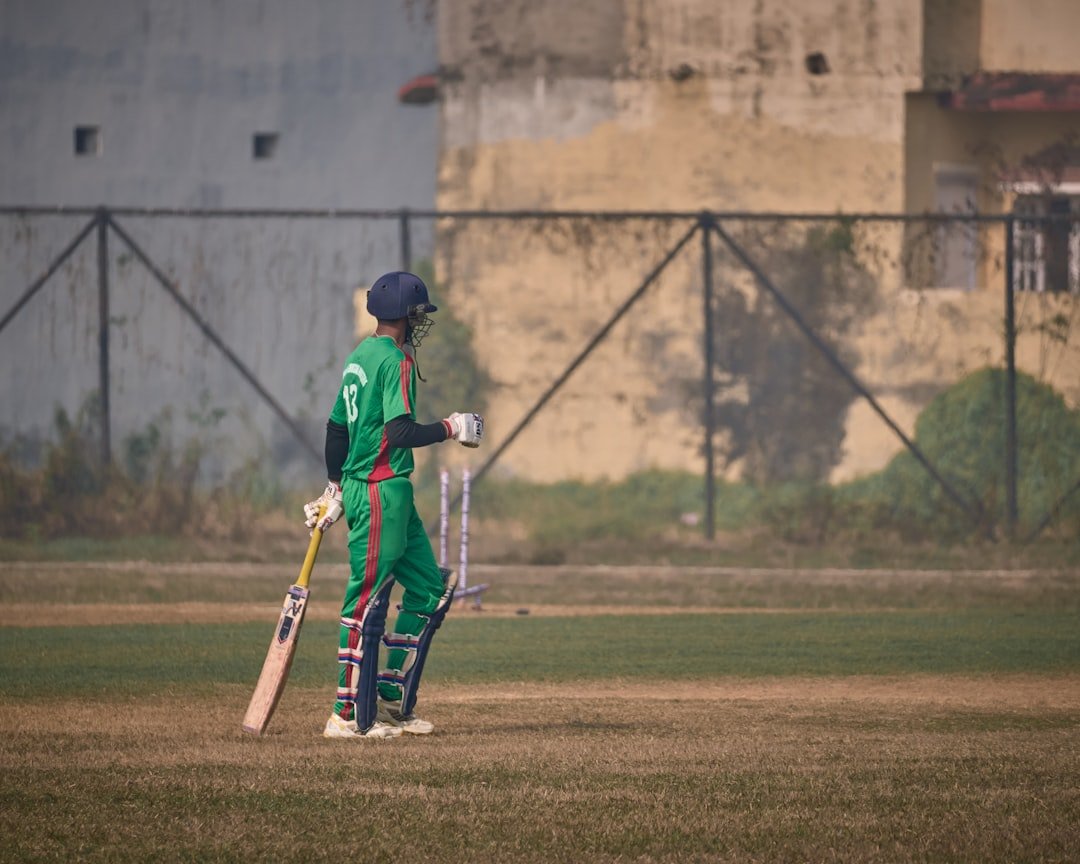
This grip suits experienced batters who have already mastered the basics. If you are still building your technique, avoid it until your fundamentals are solid.
The Open-Faced Grip (Rotated Outward)
The opposite rotation, moving the hands slightly counter-clockwise so the Vs point more toward the outside edge, opens the bat face naturally. This helps batters who rely on cuts, ramps, and upper-cuts, especially in white-ball cricket.
- Great for playing innovative shots over the off-side.
- Useful against short-pitched bowling.
- Makes it harder to drive straight and can expose your stumps to in-swinging deliveries.
This is a specialist grip adjustment, not a full grip style for everyday batting. Use it consciously as a positional adjustment during specific match situations.
Common Grip Mistakes and How to Fix Them
Knowing how to grip a cricket bat also means knowing what to avoid. Here are the most frequent errors coaches correct at club level.
Gripping too tightly is the number one fault. It restricts wrist movement, kills timing, and tires your forearms quickly. Consciously relax your hands before each delivery.
Separating the hands too far apart creates a split in your bat swing and weakens your control. Keep that one finger-width gap, nothing more.
Letting the handle sit in the palm rather than the fingers reduces feel and movement. Always grip with your fingers, not your palms.
Which Grip Is Right for You?
For most club and recreational players, the standard V-grip is the answer. It builds a solid all-round technique and works for every format of the game. Once you have mastered how to grip a cricket bat using the V-grip and your game is consistent, you can experiment with small rotations to suit your natural style. The best grip is the one that feels controlled, comfortable, and repeatable every single innings.
Start with the basics, practice in front of a mirror, and ask a coach or teammate to check your hand position regularly. Small adjustments to your grip can produce big improvements in your batting almost immediately.