

If you want to add variety to your bowling attack, learning how to bowl cutters cricket style is one of the smartest skills you can develop. Cutters are medium-pace deliveries that move off the pitch after gripping the seam, deceiving batters who expect a straight ball. Whether you bowl in club cricket or aspire to higher levels, mastering the off cutter and leg cutter will make you a far more dangerous bowler.
Table of Contents
What Are Cutters in Cricket?
Cutters are deliveries bowled at medium pace where the fingers cut across the seam at the point of release. This cutting action creates lateral movement off the pitch, similar to spin bowling but at a faster speed. They are most effective on dry, dusty, or worn pitches where the ball grips the surface.
There are two main types:
Kookaburra County Cricket Ball
Practice your off cutter and leg cutter grip with a quality match-standard cricket ball for realistic seam feel.
ⓘ Affiliate link — we earn a small commission if you buy, at no extra cost to you.
- Off cutter: Moves from off to leg after pitching, like an off-break delivery at medium pace.
- Leg cutter: Moves from leg to off after pitching, like a leg-break at medium pace.
- Both variations: Look identical in the hand to the batter, making them extremely difficult to read.
Bowlers like James Anderson, Zaheer Khan, and Glenn McGrath all used cutters brilliantly to take crucial wickets in all conditions.
How to Bowl Cutters Cricket: The Off Cutter Grip and Action
The off cutter is the easier of the two variations to learn. Start here before moving on to the leg cutter. Follow these steps carefully and practice them slowly before building up pace.
- Grip the ball across the seam: Place your index and middle fingers close together across the top of the seam. Your thumb rests underneath for support.
- Position your fingers on the right side: Your two main fingers should sit slightly to the off side of the seam, not directly on top of it.
- Run up and bowl normally: Your approach and action should look completely identical to your stock delivery. Do not change your run-up or body position.
- Cut your fingers to the left at release: As the ball leaves your hand, drag your fingers sharply from right to left across the seam. This is the cutting motion that gives the delivery its name.
- Follow through fully: Complete your action as you normally would. A full follow-through helps maintain pace and disguise.
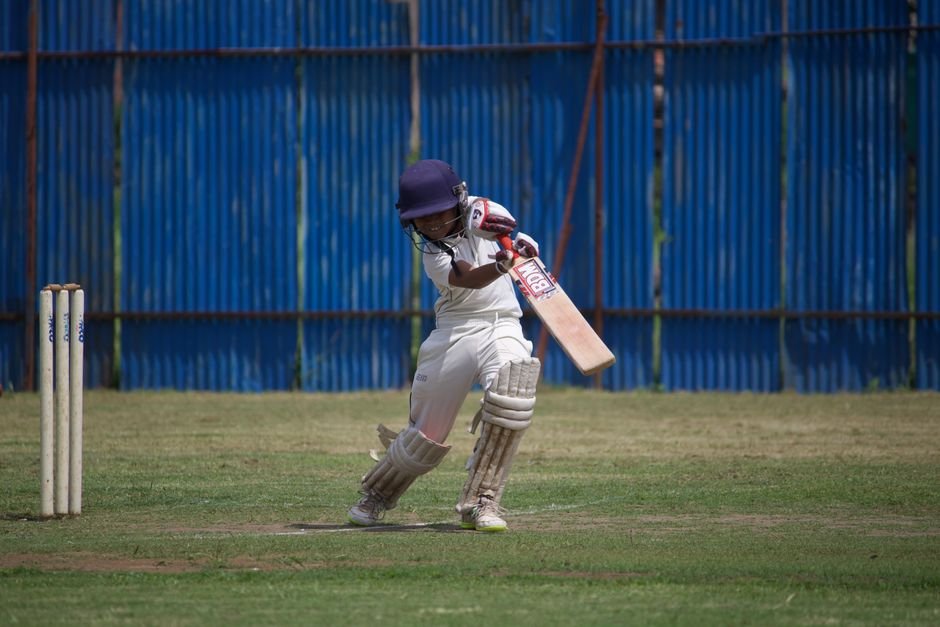
The ball should fizz off the pitch and move into the right-handed batter. Aim for a full length just outside off stump to create the most danger.
How to Bowl the Leg Cutter: Grip and Technique
The leg cutter is trickier to master but equally rewarding. It moves away from the right-handed batter after pitching, a delivery that can find the outside edge and produce catches behind the wicket.
- Grip across the seam again: Start with the same basic grip as the off cutter, fingers across the top of the seam.
- Shift fingers to the left side: Move your index and middle fingers slightly to the leg side of the seam.
- Keep your wrist position neutral: Unlike wrist spin, the action comes purely from the fingers, not the wrist. Keep your wrist firm and straight.
- Cut your fingers to the right at release: Instead of dragging left as in the off cutter, pull your fingers sharply from left to right across the seam at the moment of release.
- Maintain your pace: Do not slow down your arm speed. Cutters bowled slowly lose their effectiveness. Aim for 75 to 80 percent of your maximum pace.
Key Tips to Make Your Cutters More Effective
Understanding the technique is only half the battle. Here is what separates bowlers who use cutters occasionally from those who use them as genuine match-winning weapons.
- Use the right conditions: Cutters work best on dry, cracked, or rough pitches. In green or damp conditions, use conventional swing instead.
- Bowl a full length: Short-pitched cutters rarely grip. A good length to full length gives the ball time to move after pitching.
- Disguise is everything: Your run-up, body position, and grip should look identical to your normal delivery right up until the moment of release.
- Use the rough: In longer formats, target the rough outside a right-hander’s leg stump with the leg cutter for maximum grip and movement.
Common Mistakes When Bowling Cutters
Even experienced bowlers make errors when developing cutters. Watch out for these problems in your own game.
- Slowing your arm down, which telegraphs the delivery to the batter.
- Cutting too early instead of releasing the ball first and then applying finger pressure.
- Bowling too short, giving the batter time to adjust to the movement.
- Changing your action visibly, which removes all element of surprise.
Practice in front of a mirror or record yourself to check that your action looks the same for all deliveries.
Conclusion: Add Cutters to Your Bowling Arsenal
Learning how to bowl cutters cricket style takes patience and practice, but the rewards are well worth the effort. Start with the off cutter, get comfortable with the grip, and gradually introduce it in match situations. Once you have both the off cutter and leg cutter working, you become a much harder bowler to face. Keep practicing, stay consistent with your action, and your cutters will become one of your most valuable weapons on any surface.