
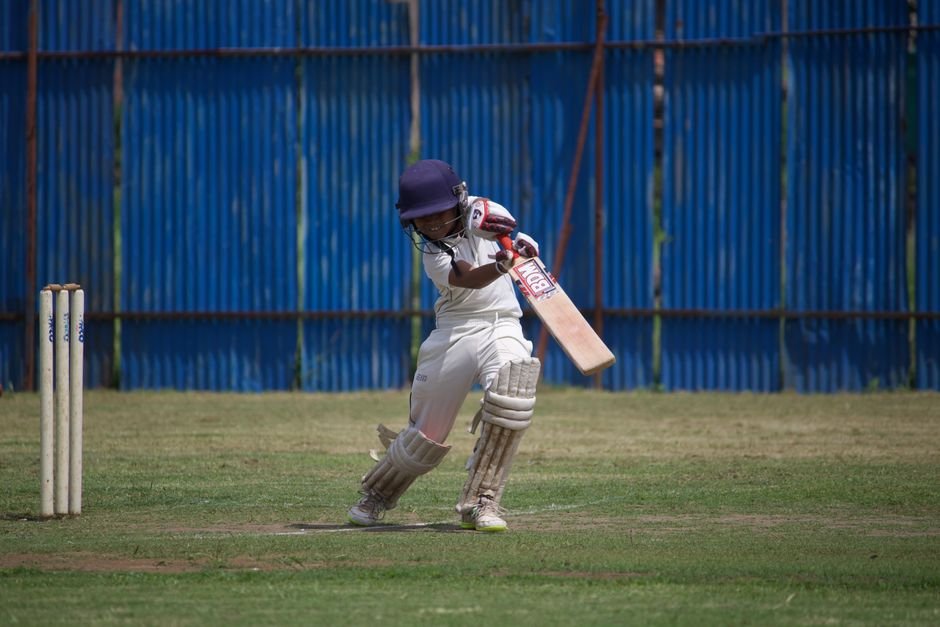
Starting your cricket journey is exciting, but knowing where to begin with your batting can feel overwhelming. The good news is that the right cricket batting drills for beginners can build your skills quickly and confidently. You do not need expensive equipment or a professional coach to get started. Just a bat, a ball, and a willingness to practice consistently. These eight exercises are simple, effective, and designed to help you improve fast.
Table of Contents
- Why Batting Drills Matter for New Players
- The 8 Best Cricket Batting Drills for Beginners
- 1. Grip and Stance Practice
- 2. Shadow Batting
- 3. Tee Batting
- 4. Throw-Down Drills
- 5. Front Foot and Back Foot Movement Drill
- 6. Wall Drill
- 7. Cone Target Drill
- 8. Short Game Simulation
- Tips to Make Your Practice More Effective
- Build Your Confidence One Drill at a Time
Why Batting Drills Matter for New Players
Batting in cricket means using a flat-faced bat to hit a ball bowled toward you, scoring runs for your team. It looks simple but requires solid technique, good timing, and sharp reflexes. Without structured practice, bad habits form quickly and become hard to fix later.
Drills help your body build muscle memory, meaning your muscles learn the correct movements automatically over time. Even 20 to 30 minutes of focused drilling each day will produce noticeable improvement within weeks. Consistency beats long, irregular sessions every time.
Cricket Batting Tee Training Aid for Practice
Practice your batting technique solo, anytime — a batting tee is the perfect tool for beginners building muscle memory fast.
ⓘ Affiliate link — we earn a small commission if you buy, at no extra cost to you.
The 8 Best Cricket Batting Drills for Beginners
1. Grip and Stance Practice
Before you hit a single ball, your grip and stance must be correct. The grip is how you hold the bat, and the stance is how you stand at the crease (the marked area where you bat). Hold the bat with both hands together, with the V-shape formed by your thumb and forefinger pointing down the bat’s flat face.
Stand sideways to the bowler, feet shoulder-width apart, knees slightly bent. Practice this position daily in front of a mirror. Repeat 50 times per session until it feels completely natural.
2. Shadow Batting
Shadow batting means practicing your batting shots without a ball. This is one of the most underrated cricket batting drills for beginners. Pick one shot, such as the forward defensive (a shot played with a straight bat to stop the ball), and repeat it slowly 20 times, focusing on your footwork and bat angle.
Gradually add speed as your technique improves. Shadow batting builds muscle memory without any pressure or risk of bad contact with the ball.
3. Tee Batting
A batting tee is a small stand that holds the ball still at a set height. Hit the ball off the tee repeatedly to practice making clean contact. This drill removes the difficulty of timing a moving ball, letting you focus entirely on your bat swing and body position.
Aim for the middle of the bat face, known as the sweet spot. You will hear and feel the difference immediately when you hit it correctly.
4. Throw-Down Drills
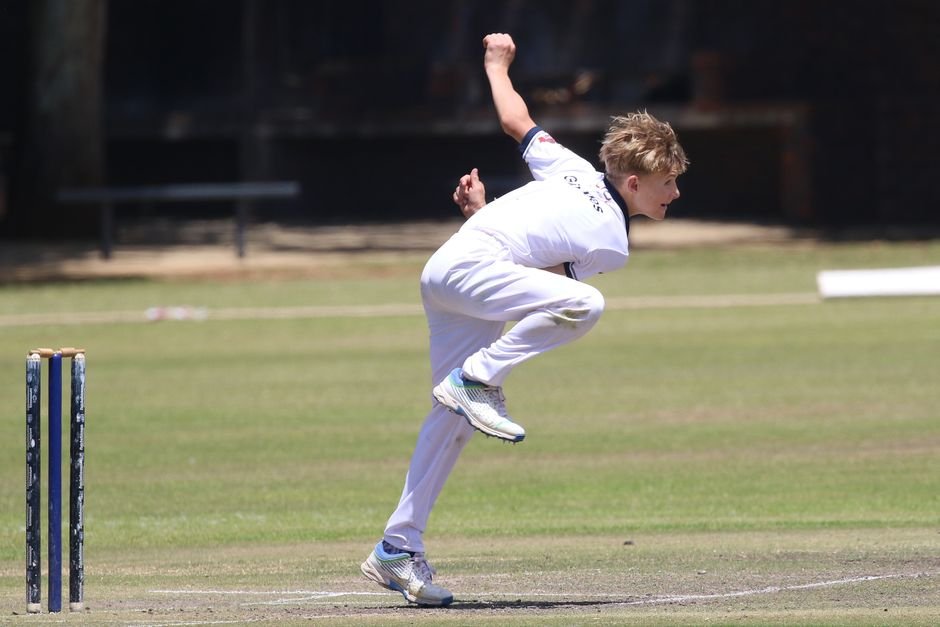
Ask a partner to gently throw the ball toward you from about five to eight meters away. This is called a throw-down. Start with soft, slow throws aimed at the same spot every time. Focus on one specific shot per session rather than trying to hit everything.
- Drive shots: hit the ball back along the ground toward the bowler
- Pull shots: hit a short ball that bounces up toward your chest or head
- Defensive shots: block the ball safely back down
5. Front Foot and Back Foot Movement Drill
Footwork decides whether you play a shot well or poorly. The front foot moves toward the ball when it pitches (lands) close to you. The back foot moves back and across when the ball pitches short. Practice moving correctly before the ball arrives.
Have a partner call out “front” or “back” randomly. React by moving your feet quickly into the correct position. Do this for five minutes daily to sharpen your decision-making speed.
6. Wall Drill
Stand about one meter from a wall and gently tap the ball against it with your bat, catching the rebound and tapping again. This simple drill improves:
- Hand-eye coordination
- Soft hands (relaxed grip at the moment of contact)
- Reaction time
Start slowly and increase your speed as your confidence grows.
7. Cone Target Drill
Place cones or markers in different areas of a practice pitch. When facing throw-downs, aim to hit the ball toward specific cones. This teaches shot placement, meaning intentionally directing the ball rather than just hitting it anywhere. Good batters control where the ball goes, not just how hard they hit it.
8. Short Game Simulation
Ask a partner to bowl short, five-ball sets at you with clear targets. After each set, discuss what worked and what did not. Simulating real match pressure, even briefly, is one of the most valuable cricket batting drills for beginners because it connects practice to performance.
Tips to Make Your Practice More Effective
- Always warm up your wrists, shoulders, and ankles before batting
- Record yourself on your phone and watch your technique back
- Practice one drill at a time rather than rushing through all eight
- Rest properly between sessions to let your muscles recover
Build Your Confidence One Drill at a Time
Every great batter started exactly where you are now. These cricket batting drills for beginners are your foundation. Work through them patiently, celebrate small improvements, and do not rush the process. Good technique built slowly is far more valuable than sloppy habits learned quickly. Grab your bat, find a space, and start today. The crease is waiting for you.