
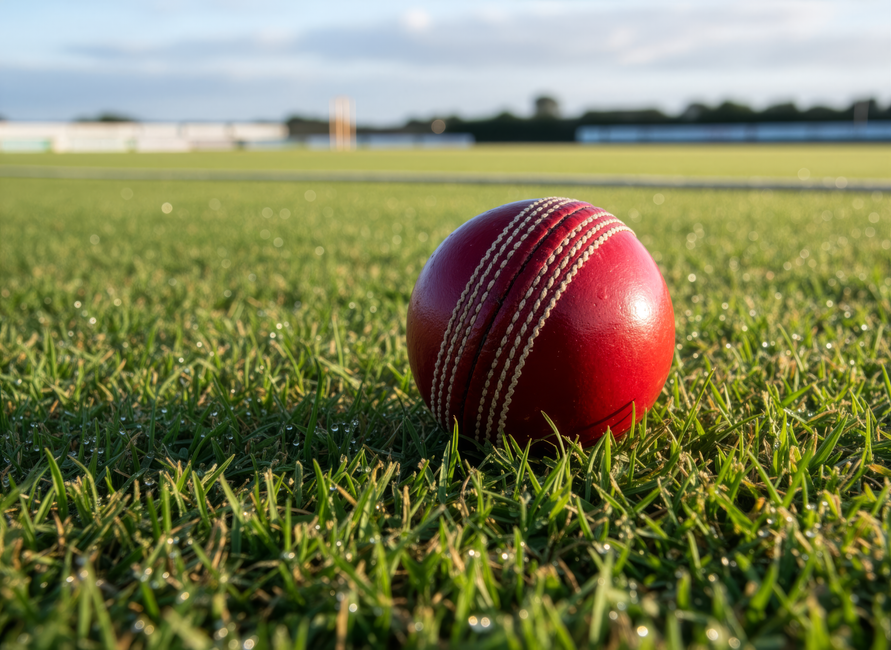
Choosing the right cricket ball can make or break your game. Whether you are a weekend club player, a serious net practitioner, or gearing up for a competitive match, picking the best cricket balls for your needs saves money and improves performance. This guide covers top options across match play, practice, and training in 2026, helping you make a confident, informed decision.
Table of Contents
- What Makes the Best Cricket Balls Stand Out
- Best Cricket Balls for Match Play
- Dukes Crown County Special
- Kookaburra Turf
- SG Tournament
- Best Cricket Balls for Practice and Net Sessions
- Readers Club
- Kookaburra Tuf Pitch
- GM Prima
- Training Balls for Juniors and Beginners
- How to Choose the Right Ball for Your Level
- Conclusion
What Makes the Best Cricket Balls Stand Out
Not all cricket balls are created equal. The quality of the leather, the tightness of the seam, the hardness of the cork core, and the consistency of the finish all affect how the ball behaves in play. A poorly made ball swings unpredictably for the wrong reasons, loses its shape quickly, and gives batters and bowlers unreliable feedback during training.
Key factors to evaluate before buying:
Dukes Crown County Special Cricket Ball
The gold standard for match cricket — trusted by county pros for its proud seam and exceptional swing.
ⓘ Affiliate link — we earn a small commission if you buy, at no extra cost to you.
- Grade of leather – top-grade alum-tanned leather lasts longer and holds its shape
- Seam construction – a proud, even seam helps seamers get consistent movement
- Core hardness – harder cores suit match play while softer options work for junior training
- Colour – red for Tests and first-class cricket, white for limited-overs, pink for day-night matches
Best Cricket Balls for Match Play
For competitive cricket, ball approval by the governing body matters. The following are trusted by players at all levels of the game.
Dukes Crown County Special
The Dukes Crown County Special is the ball of choice for county and club cricket in England. Hand-stitched with a prominent seam, it offers exceptional swing in overcast conditions. It retains its shape well past 40 overs, giving bowlers a longer window to extract movement. Price range: around 30 to 40 GBP per ball.
Kookaburra Turf
The Kookaburra Turf dominates cricket in Australia, South Africa, and most of Asia. Its lacquered surface encourages pace off the pitch and extra bounce. The seam flattens quicker than Dukes, which suits spin bowling in the middle overs. It is the official ball of international cricket in Australia and widely used in India’s domestic circuit.
SG Tournament
Made in India by Sanspareils Greenlands, the SG Tournament is the official ball of Indian domestic cricket and Test matches played in India. It offers a pronounced seam and softer leather, producing reverse swing from as early as 25 overs on dry subcontinental pitches. Club players across India and UAE rate it highly for value.
Best Cricket Balls for Practice and Net Sessions
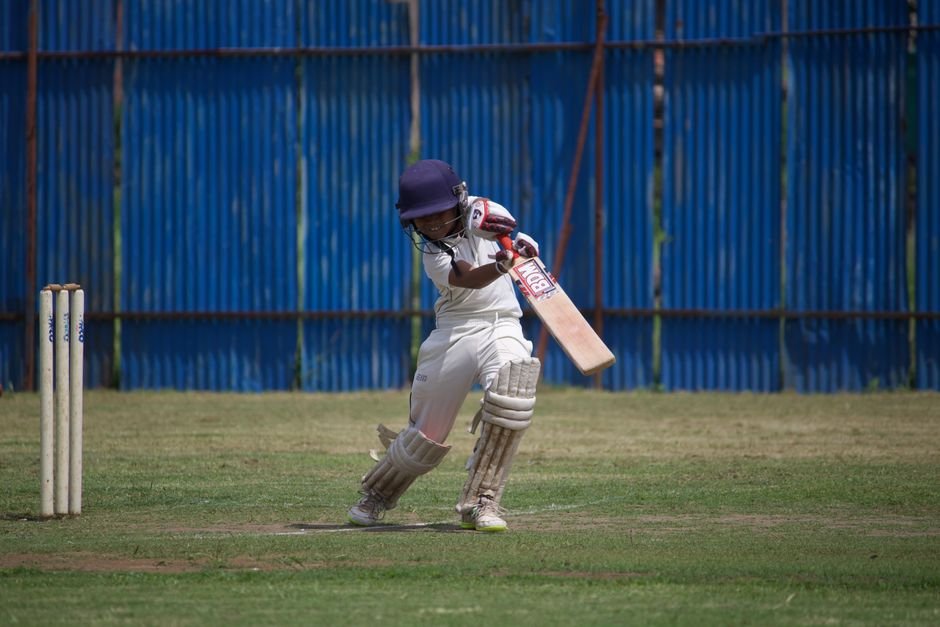
Spending match-grade ball money on nets is unnecessary and expensive. Practice balls are built to withstand repeated use on hard concrete or artificial surfaces without disintegrating quickly.
Readers Club
The Readers Club ball is a staple of English club cricket nets. Durable, reasonably priced, and consistent in feel, it gives batters realistic match practice without eating through your budget. A pack of six typically costs around 60 GBP.
Kookaburra Tuf Pitch
Designed specifically for hard practice surfaces, the Kookaburra Tuf Pitch has a reinforced core that handles the punishment of concrete nets. It holds its round shape longer than standard balls and is popular with academies across Australia and South Asia.
GM Prima
Gunn and Moore’s Prima ball bridges the gap between practice and low-grade match play. It is a good all-rounder for club second XIs and school teams who need a cost-effective option that still behaves like a proper leather ball.
Training Balls for Juniors and Beginners
Introducing new players to cricket should not mean putting them in danger. Specialist training balls reduce injury risk while teaching correct technique.
- Incrediball – a soft hollow ball ideal for very young players and indoor coaching
- Gray-Nicolls Foam Ball – lightweight, great for hand-eye coordination drills
- Kookaburra Katch Ball – slightly firmer, suitable for 10 to 14 year olds moving toward leather
Coaches in the UK, Canada, and US particularly favour foam and rubber options for beginners learning grip, stance, and basic shot play in indoor facilities.
How to Choose the Right Ball for Your Level
Matching ball type to playing level keeps costs down and improves outcomes:
- Recreational and junior cricket – foam or rubber training ball, then entry-level leather
- Club and amateur cricket – Readers, GM Prima, or SG Tournament depending on format
- Competitive and representative cricket – Dukes, Kookaburra Turf, or SG depending on region
Conclusion
The best cricket balls are the ones that match your format, surface, and skill level. From the Dukes Crown County Special for English swing conditions to the Kookaburra Turf for hard Australian pitches and foam options for young learners, there is a ball built for every situation. Invest wisely, match the ball to the purpose, and your game will benefit every time you step onto the field or into the nets.