
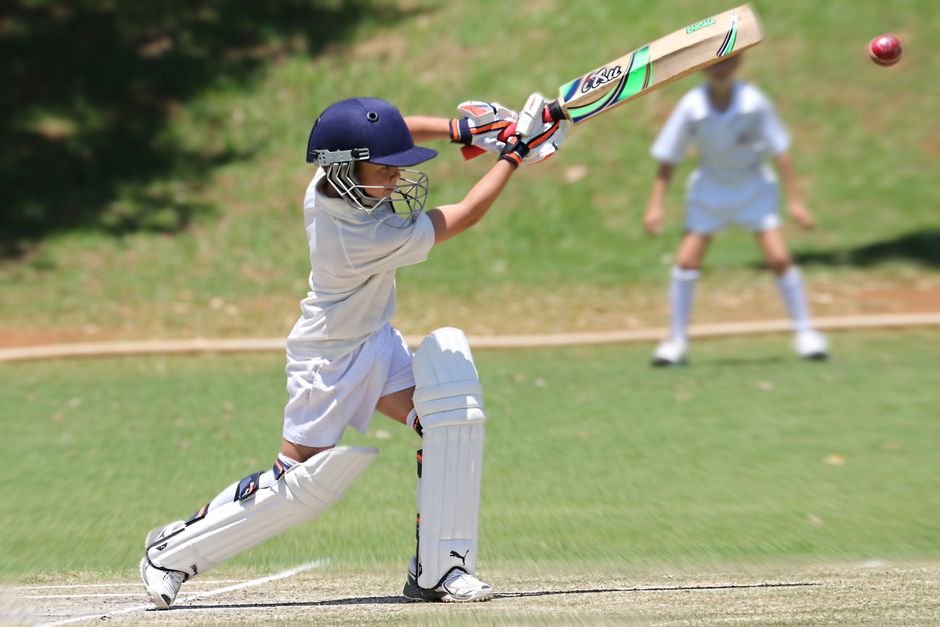
Choosing the right bat is one of the most important decisions any cricketer makes. Yet most players pick a bat based on looks or brand alone, completely ignoring weight. This cricket bat weight guide breaks down everything you need to know to find the perfect weight for your playing style, age, and skill level. Get it right and you will bat with more confidence, power, and control than ever before.
Table of Contents
Why Bat Weight Matters More Than You Think
A bat that is too heavy slows down your swing speed, delays your shot selection, and puts unnecessary strain on your wrists and forearms. A bat that is too light lacks the punch needed to drive the ball through the field with authority. Weight directly affects timing, footwork, and even your long-term physical health.
Professional players spend hours finding their ideal weight. Club and amateur cricketers rarely do. That gap in attention is one of the biggest reasons recreational players struggle to improve their batting.
Gray-Nicolls Kronus 600 Ready Play Cricket Bat
A perfectly balanced mid-weight bat ideal for players applying this guide to upgrade their game.
ⓘ Affiliate link — we earn a small commission if you buy, at no extra cost to you.
Cricket Bat Weight Guide: Understanding the Numbers
Cricket bat weights are measured in pounds and ounces. Most adult bats fall between 2 lb 7 oz and 2 lb 12 oz. Here is a general breakdown of what each weight range suits:
- Under 2 lb 7 oz: Best for junior players, beginners, or those with wrist injuries needing a lighter pick-up.
- 2 lb 7 oz to 2 lb 9 oz: Ideal for most club cricketers, offering a balance of control and power.
- 2 lb 9 oz to 2 lb 11 oz: Suited to stronger, more experienced batters who play on hard, true pitches.
- 2 lb 11 oz and above: Used by powerful players who generate most of their scoring through driving and hitting boundaries. Requires significant strength to use effectively.
Remember that pick-up weight is just as important as the actual scale weight. Two bats can weigh exactly the same but feel completely different in your hands depending on where the weight is distributed in the blade.
Age and Fitness: Key Factors in Choosing Your Bat Weight
Your physical condition plays a huge role in which bat weight works for you. A 25-year-old who trains regularly can handle a heavier bat that a 16-year-old or a 45-year-old weekend player simply cannot.
Junior players should always prioritise a lighter bat. Using a bat that is too heavy too early leads to poor technique, especially against pace bowling. It forces players to drag the bat rather than swing it freely.
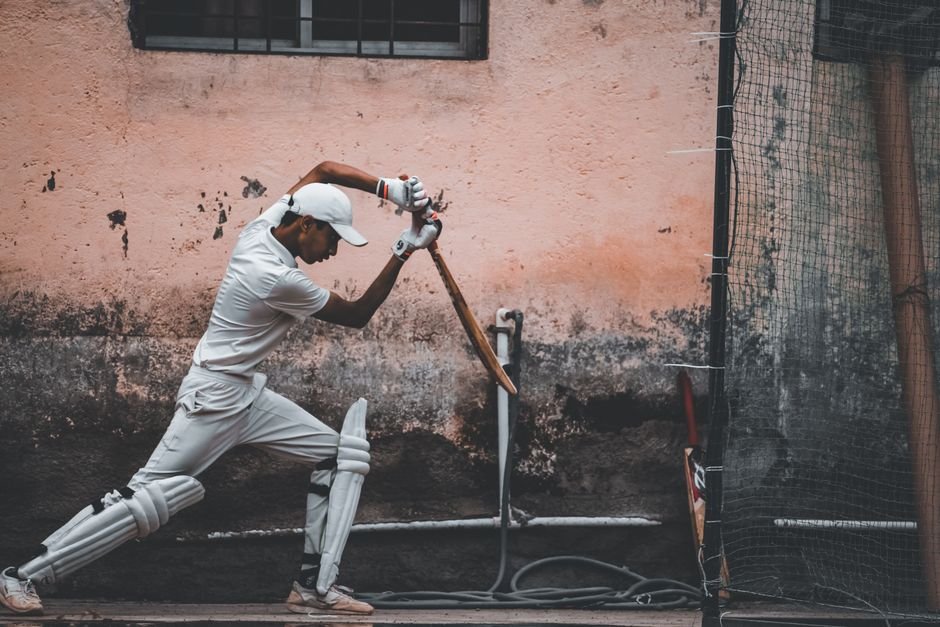
Key age-based recommendations:
- Under 13: Sizes 4 to 6, typically under 2 lb 3 oz
- 13 to 16: Harrow or size 6, around 2 lb 4 oz to 2 lb 6 oz
- 16 and above: Full adult size, starting from 2 lb 7 oz depending on build
Playing Style and Pitch Conditions
Your batting style should heavily influence your bat weight choice. This is a point that even experienced cricketers overlook when following a cricket bat weight guide.
Aggressive front-foot players who love to drive through the off side benefit from a slightly heavier blade. The extra mass generates power when the ball is full. Batters who rely on timing, deflections, and back-foot play often perform better with a lighter bat that allows quicker reaction time.
Pitch conditions also matter:
- Hard, fast pitches (Australia, South Africa): Slightly heavier bats work well as the ball comes onto the bat naturally.
- Slow, turning pitches (Indian subcontinent): A lighter bat helps you adjust quickly and play late against spin.
- English conditions (seaming pitches): Lighter to medium weight bats give you flexibility against movement off the pitch.
How to Test Bat Weight Before Buying
Never buy a cricket bat without picking it up first. Stand in your batting stance and play a few shadow drives. The bat should feel like a natural extension of your arms. If your bottom hand feels strained after 10 swings, the bat is too heavy for you right now.
A useful rule of thumb: hold the bat handle with one hand and extend your arm horizontally in front of you. If you can hold it steady for 30 seconds, the weight is right for you. If it drops quickly, go lighter.
Ask your retailer about the pick-up. A thick edge and large sweet spot often add real weight to a bat, while a concave back can reduce that feeling significantly.
Conclusion
Weight is one of the most personal aspects of bat selection, and no two players will have the exact same answer. Use this cricket bat weight guide as your starting point, then test bats in person before committing. The right weight unlocks better timing, reduces fatigue, and genuinely improves your game. Spend the time getting it right and your batting will thank you for it.