
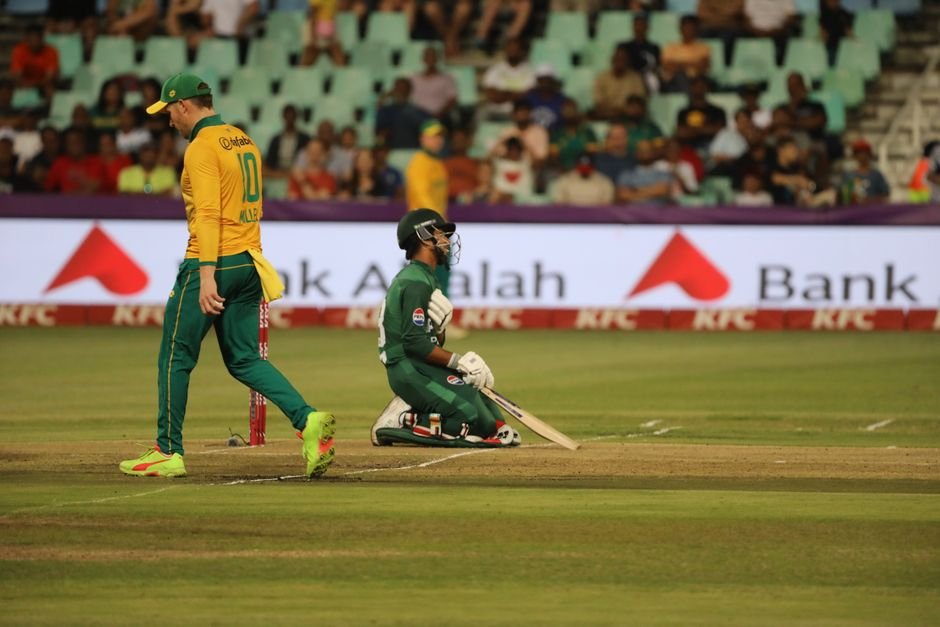
The types of dismissals in cricket are fundamental to understanding how the game works. Every cricket fan, whether watching the IPL in India, The Ashes in England, or a Big Bash League game in Australia, needs to know how a batter can lose their wicket. There are officially ten ways a batter can be dismissed under the Laws of Cricket, governed by the Marylebone Cricket Club (MCC). This guide covers all ten in detail.
Table of Contents
The Most Common Types of Dismissals in Cricket
Some dismissals happen dozens of times in a single Test series, while others are incredibly rare. Understanding the frequent ones first helps build a solid foundation. The three most common dismissals across all formats are caught, bowled, and leg before wicket (LBW).
- Caught: The batter hits the ball and a fielder catches it before it touches the ground. This is the most common dismissal in international cricket, accounting for roughly 55-60% of all wickets.
- Bowled: The ball hits the stumps directly from the bowler’s delivery, dislodging the bails. James Anderson has bowled out over 150 Test batters in his legendary career.
- LBW (Leg Before Wicket): The ball strikes the batter’s body, usually the pad, in line with the stumps, and the umpire judges it would have hit the wicket. LBW decisions account for around 20% of dismissals in Test cricket.
MCC Laws of Cricket Official Rulebook
The official MCC Laws of Cricket — master every dismissal rule straight from the game's governing authority.
ⓘ Affiliate link — we earn a small commission if you buy, at no extra cost to you.
These three alone make up the vast majority of wickets you will see in any format, from T20 Internationals to five-day Test matches at Lord’s or the Melbourne Cricket Ground.
Run Out, Stumped, and Hit Wicket Explained
The next group of dismissals involves the batter’s own movement between or at the crease. These can be dramatic and often decide close matches.
- Run Out: A fielder breaks the stumps while the batter is outside the crease during a run. The 2019 Cricket World Cup final between England and New Zealand featured one of the most memorable run outs in history.
- Stumped: The wicketkeeper removes the bails while the batter is outside the crease and not attempting a run. MS Dhoni holds the record for most stumpings by a wicketkeeper in international cricket. Spin bowlers create the most stumping opportunities.
- Hit Wicket: The batter accidentally dislodges the bails with their bat or body while playing a shot or setting off for a run. This is relatively uncommon but always looks unfortunate.
Run outs in particular have decided major tournaments. Sharp fielding sides like India and South Africa regularly use pressure and direct hits to execute this type of dismissal.
Rare but Official Types of Dismissals in Cricket
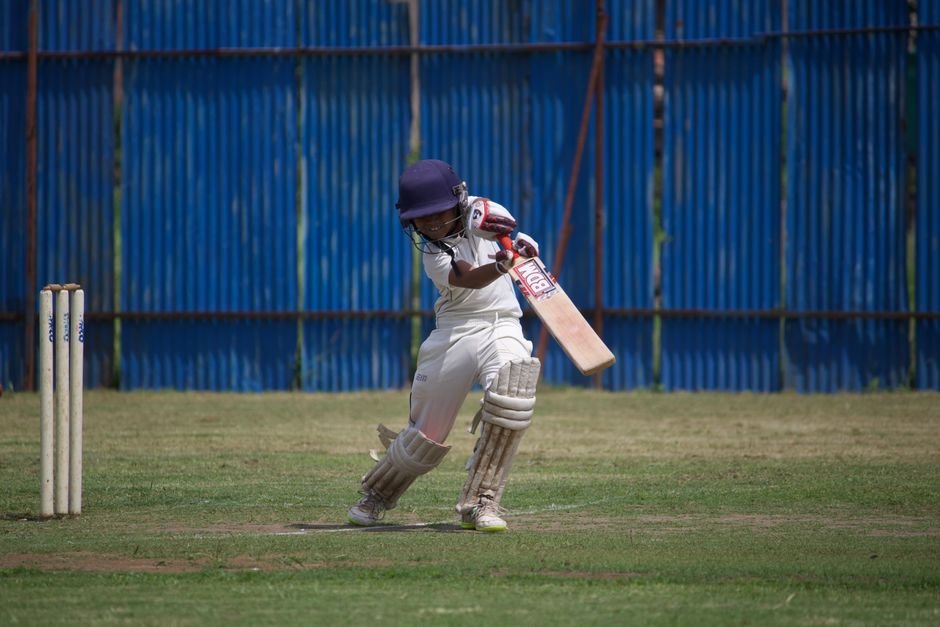
Four other types of dismissals in cricket exist within the Laws of the game but are seen very rarely at any level. They are part of the official MCC Laws and can occur in professional matches.
- Handled the Ball (now merged into Obstructing the Field): A batter intentionally touching the ball with a hand not holding the bat. The Laws updated in 2017 merged this with obstructing the field.
- Obstructing the Field: A batter deliberately hinders a fielder attempting to field or catch the ball. Ben Stokes was dismissed this way during the 2015 Cricket World Cup against Bangladesh.
- Hit the Ball Twice: A batter deliberately strikes the ball a second time, except to guard the wicket. This has occurred fewer than a handful of times in first-class cricket history.
- Timed Out: A new batter takes more than three minutes to be ready to face the next ball. Angelo Mathews became the first player ever timed out in international cricket during the 2023 ODI World Cup against Bangladesh, a moment that shocked the cricket world.
These rare dismissals generate enormous headlines when they happen precisely because most fans go years without ever witnessing one at the professional level.
How Dismissals Differ Across Cricket Formats
The format of the game influences which types of dismissals happen most often. In T20 cricket, aggressive batting leads to more caught dismissals in the deep as batters go for big shots. In Test cricket, bowled and LBW dismissals are more frequent as bowlers have more time to work a batter out.
Key format-based trends include:
- In IPL and T20 cricket, caught dismissals in the outfield spike significantly due to high-risk stroke play.
- In Test cricket, LBW and bowled dismissals rise as spin bowlers exploit dry pitches over long sessions.
- Stumpings are almost exclusively linked to spin bowling and increase on subcontinental pitches in India, Sri Lanka, and Pakistan.
Understanding format differences helps fans analyse team tactics. A captain will set different fields depending on which types of dismissals their bowlers are most likely to create in a given match situation.
Conclusion: Why Knowing the Types of Dismissals in Cricket Matters
Knowing all the types of dismissals in cricket makes watching and analysing the game far richer. Whether you are following Virat Kohli’s innings at the Wankhede Stadium, watching Pat Cummins bowl at the Gabba, or streaming a Test from Headingley, every wicket tells a story. From the everyday caught behind to the once-in-a-generation timed out dismissal, each method has its own rules, drama, and history.
The MCC Laws of Cricket have been refined over centuries to cover every possible scenario. As of the 2017 Law revisions, there are officially ten methods of dismissal, each with nuanced conditions. Knowing them transforms you from a casual viewer into a genuinely informed cricket fan who understands every moment of the game.