
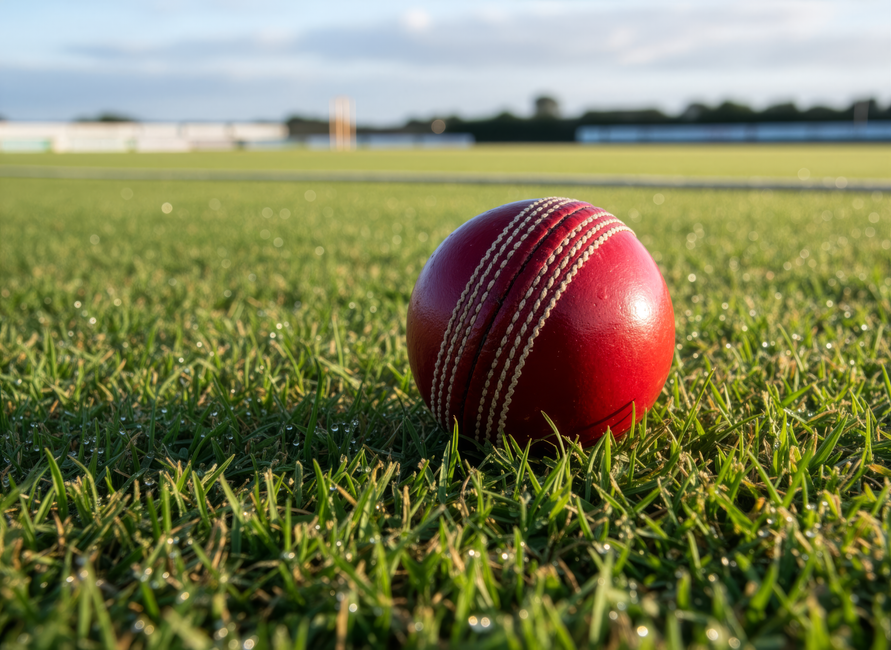
A Soft Rubber Cricket Ball is the smartest training tool any cricketer can own, whether you are a weekend club player, a school-age beginner or a seasoned nets regular looking to sharpen your skills without the fear of injury. Designed to replicate the feel and flight of a traditional leather ball, these practice balls let you focus entirely on technique rather than self-preservation.
Table of Contents
What Is a Soft Rubber Cricket Ball and Who Is It For?
A soft rubber cricket ball is a training-specific ball moulded from high-density yet flexible rubber compounds. It features a visible stitched seam and an internal core, mimicking the construction of a standard leather ball. This means batters and bowlers experience realistic seam movement and swing during practice sessions.
These balls are ideal for a wide range of players and settings:
- Junior cricketers aged 6 to 14 learning the basics in school PE lessons
- Club players using indoor nets during the off-season in the UK, Australia and Canada
- Backyard or garden practice sessions where a hard ball poses risk to windows or fences
- Coaching academies in India and the UAE running high-volume drilling sessions
The stitched seam is not merely cosmetic. It genuinely affects how the ball behaves off the pitch and through the air, making soft rubber balls far superior to plain foam alternatives for developing real cricket instincts.
Key Features of a Quality Soft Rubber Cricket Ball
Not all rubber practice balls are created equal. The best options on the market share a consistent set of quality indicators that separate them from cheap imitations.
Realistic stitched seam rubber cricket ball built for safe, high-volume indoor and outdoor training sessions.
- ✓ Safe for all ages
- ✓ stitched seam for realistic play
- ✓ durable rubber casing
- ✓ works indoors and outdoors
- ✓ great value
- ✗ Not identical to leather ball feel
- ✗ seam wears on concrete
- ✗ limited colour options
ⓘ Affiliate link — we may earn a small commission at no extra cost to you.
Look for these features when buying:
- High-density rubber core that provides a realistic bounce profile on hard and soft surfaces alike
- Raised, stitched seam running around the equator of the ball for authentic seam and swing bowling practice
- Regulation weight close to the standard 155.9 grams used in men’s cricket, or appropriately reduced for junior use
- Durable outer casing resistant to scuffing after hundreds of impacts against concrete, matting and indoor turf
- Consistent roundness with no flat spots that would distort ball flight
Brands such as Kookaburra, Cosco and CA Sports produce well-regarded soft rubber practice balls that are widely available across India, the UK and Australia. Kookaburra’s rubber training range, in particular, is trusted by academies that have produced international players including Pat Cummins and Shubman Gill during their formative years.
Outdoor vs Indoor Use: Which Surface Works Best?
One of the biggest advantages of a Soft Rubber Cricket Ball is its versatility across different playing environments. Unlike a cork-and-leather ball, it performs reliably indoors without damaging netting, walls or flooring.
For outdoor use, soft rubber balls bounce predictably on concrete driveways, tarmac surfaces and grass pitches. They do not waterlog in damp conditions, making them ideal for year-round training in the UK and northern Australian winters.
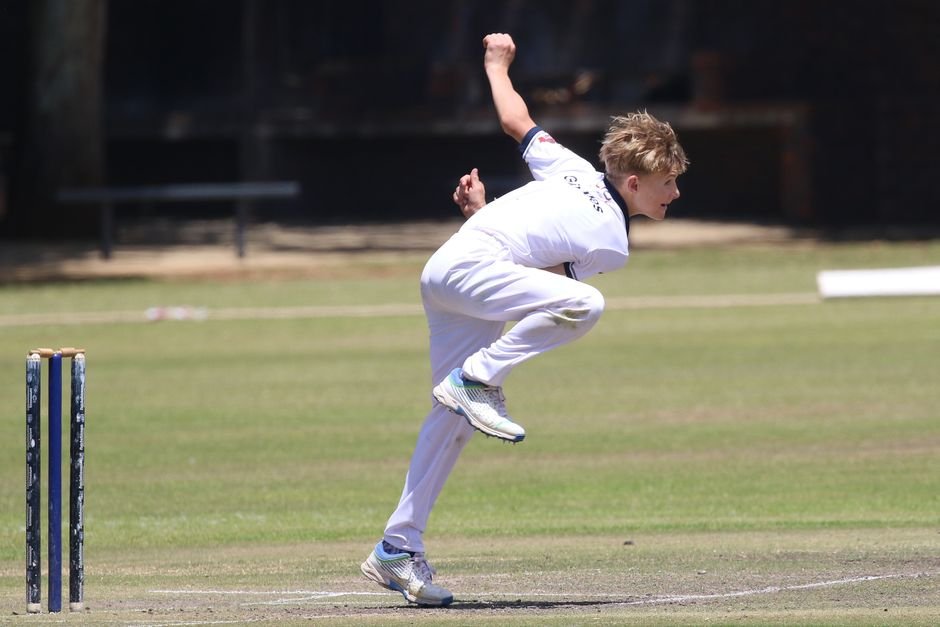
For indoor use, the reduced hardness prevents the ball from rebounding dangerously off walls at high speed. Many indoor cricket centres in UAE and US cricket facilities use soft rubber balls to reduce noise levels and protect equipment during high-frequency training blocks.
The stitched seam also grips indoor turf matting well, allowing spinners to practice finger spin and wrist spin with a degree of turn similar to what they would experience on an outdoor surface.
Batting and Bowling Drills You Can Do with a Rubber Practice Ball
A quality soft rubber ball unlocks a wide library of cricket drills that build match-ready skills. Here are popular drills used by coaches at the MRF Pace Foundation and the ECB’s county development programmes:
- Throw-down batting drills – a coach or teammate delivers at full pace from 10 to 15 metres, building reaction time without injury risk
- Wall bowling – bowlers run up and deliver against a solid wall, collecting the return ball to groove their action repeatedly
- Seam position awareness – bowlers focus purely on holding the seam upright and watching it remain stable through delivery
- Close-catching practice – fielders stand at shorter distances than usual, sharpening reflexes safely
- Footwork ladder drills combined with hitting, using a rubber ball fed by a bowling machine set to lower pace
Virat Kohli has publicly spoken about the importance of high repetition training sessions. Using softer balls for volume work preserves a player’s hands for match days while maximising technical development over a full training week.
Our Verdict on the Soft Rubber Cricket Ball
After assessing construction quality, durability, feel and suitability across different training environments, the Soft Rubber Cricket Ball with core and stitched seam earns a strong recommendation from the Cricket Guide team.
Star Rating: 4.2 out of 5
It delivers genuine value for money. A single ball can withstand thousands of deliveries, making it far more economical than repeatedly replacing leather match balls for practice purposes.
Pros:
- Safe for use indoors and in small outdoor spaces
- Stitched seam promotes realistic seam and swing practice
- Durable rubber casing survives heavy daily use
- Suitable for all age groups from juniors to adult club players
- Lightweight versions available for younger players
- Affordable price point compared to leather training balls
Cons:
- Does not fully replicate the weight and feel of a premium Dukes or Kookaburra leather ball
- Seam can wear and flatten after extended use on abrasive concrete surfaces
- Bounce profile differs slightly on very hard outdoor pitches versus leather ball behaviour
- Colour options are limited, which affects visibility in certain lighting conditions
For recreational players, school coaches and development academies, the soft rubber practice ball is an outstanding everyday training companion. Advanced players should use it to supplement, rather than fully replace, leather ball practice ahead of competitive fixtures.