
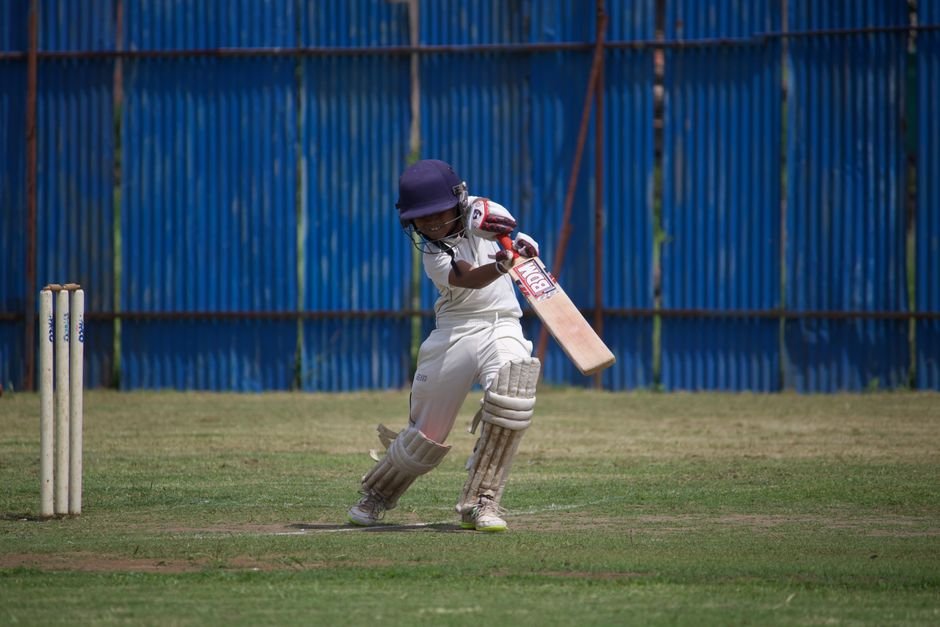
If you want to dominate short-pitched bowling, learning how to play pull shot cricket is one of the best skills you can develop. The pull shot is aggressive, exciting, and can completely shift the momentum of a game. When executed correctly, it sends the short ball racing to the boundary. This guide breaks down the technique, timing, and drills you need to play the pull shot with confidence.
Table of Contents
What Is the Pull Shot and When Should You Play It?
The pull shot is played against a short-pitched delivery that rises between hip and shoulder height. You hit the ball on the leg side, usually toward square leg or mid-wicket. It is one of cricket’s most powerful attacking strokes.
Use it when:
Gray-Nicolls Omega XRD Cricket Batting Gloves
Maximum knuckle protection for playing aggressive pull shots against short-pitched bowling with confidence.
ⓘ Affiliate link — we earn a small commission if you buy, at no extra cost to you.
- The ball is bowled short and rises to hip or chest height
- The delivery is outside or on leg stump
- You have enough time to get into position
- The fielding side has gaps on the leg side
Avoid the pull shot when the ball stays low, when you are on a slow pitch, or when the bounce is unpredictable. Reading the length early is the key to making this decision quickly.
How to Play Pull Shot Cricket: Step-by-Step Technique
Mastering how to play pull shot cricket starts with understanding the body mechanics. Follow these steps every time you practice the shot.
- Watch the ball from the bowler’s hand: Pick up the length as early as possible. The moment you spot a short ball, trigger your movement. Early recognition gives you time to set up properly.
- Move back and across: Take a quick step back toward the crease and shift your weight onto the back foot. Your body moves slightly toward the off side to create room and open up the leg side.
- Turn and position your feet: Your front foot should pivot and point toward mid-on. Your back foot moves back and across, parallel to the crease. This open stance allows your hips to rotate freely through the shot.
- Keep your head still and eyes level: This is where many club players go wrong. Keep your head still, eyes level with the ball throughout the swing. A falling head causes mistimed hits or edges.
- Swing the bat horizontally: Roll your wrists and swing the bat across your body in a flat, horizontal arc. Hit the ball at the top of the bounce, just in front of your body. Do not let the ball get behind you.
- Follow through toward the leg side: After contact, your bat should continue across your body and finish high over your left shoulder (for right-handers). Your hips fully rotate to face the bowler on follow-through.
Timing: The Difference Between a Six and a Mistimed Catch
Timing the pull shot is everything. The best contact point is just in front of your body, at the top of the ball’s bounce. Hitting early gives you control. Hitting late sends the ball up in the air, creating a catching opportunity.
Key timing cues:
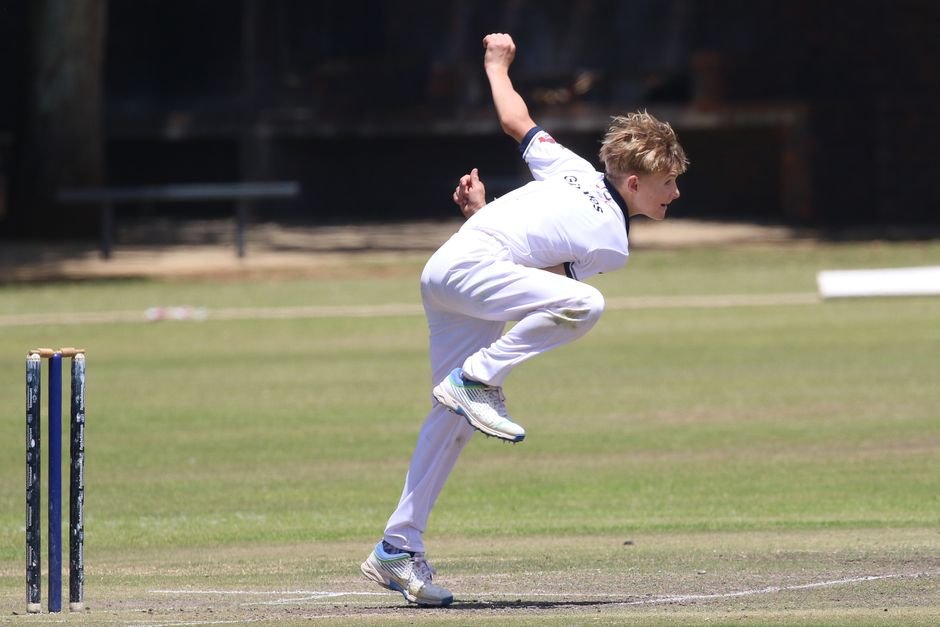
- Move your feet before the ball pitches, not after
- Wait for the ball to reach its highest point before swinging
- Use your wrists to roll over the ball to keep it down
Rolling the wrists is a habit that takes time to build. Practice it deliberately in every drill session.
Common Mistakes Club Players Make
Understanding how to play pull shot cricket also means knowing what not to do. Here are the most common errors and how to fix them.
- Playing too early: Swinging before the ball reaches you results in a top edge. Wait a fraction longer.
- Falling over to the off side: If your head dips toward off stump, your balance collapses. Stay tall and still.
- Flat bat swing: If your swing is too vertical, you hit the ball straight to fielders. Keep the swing horizontal and across your body.
- Wrong foot position: Not moving back far enough means the ball is on top of you. Drill your footwork separately.
Practice Drills to Groove Your Pull Shot
The only way to make this shot automatic is repetition. Use these drills to build muscle memory.
Drill 1: Throwdown Drill. Ask a partner or coach to throw short-pitched balls from 10-12 metres using an underarm throw. Focus purely on footwork and head position. Do 20 repetitions per session.
Drill 2: Tee Ball Drill. Place a ball on a batting tee at hip height. Practice your swing and wrist roll without worrying about the moving ball. This grooves your bat path and contact point.
Drill 3: Tennis Ball Bounce Drill. Bounce a tennis ball off a hard floor or wall and practice the pull shot against the rising ball. This closely replicates real match conditions and sharpens your timing.
Drill 4: Shadow Batting. Without a ball, practice your back-and-across movement and full swing in front of a mirror. Check your head position and follow-through after every rep.
Aim for at least two dedicated pull shot practice sessions per week. Progress is quick when you drill with purpose.
Conclusion
Learning how to play pull shot cricket is one of the most rewarding investments you can make as a batter. It puts fear into bowlers, creates boundaries, and gives you a genuine weapon against short-pitched attacks. Focus on early movement, a still head, horizontal swing, and wrist roll. Drill it consistently, correct your mistakes early, and this shot will become one of the most powerful tools in your batting arsenal. Now get out there and practise.