
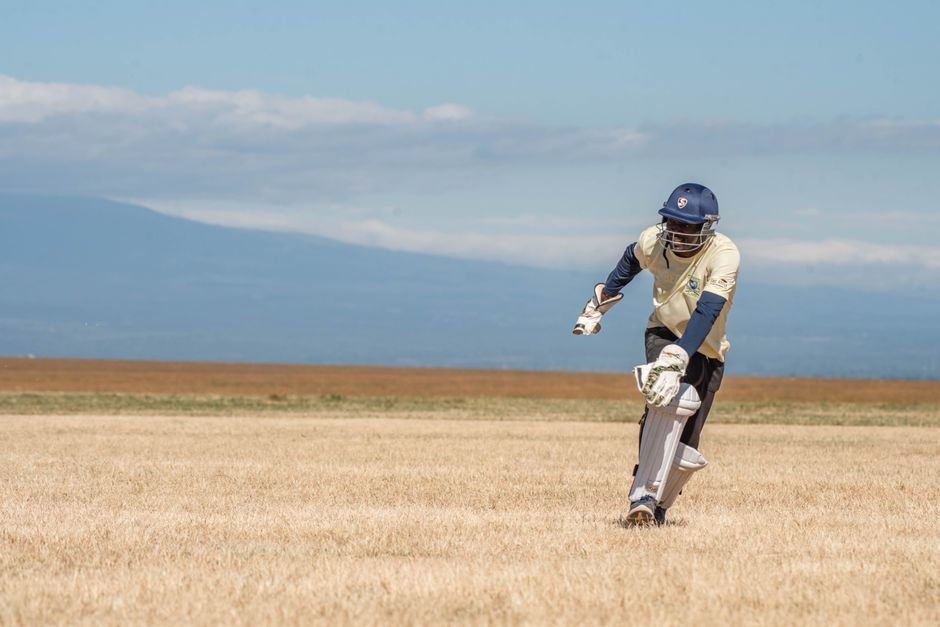
Learning how to keep wickets in cricket is one of the most rewarding skills you can develop as a player. The wicketkeeper is the heartbeat of the fielding side, involved in every single delivery. Whether you are keeping to pace or spin, mastering your positioning, footwork and glove technique will make you an asset to any team. This guide breaks down everything a club-level keeper needs to know.
Table of Contents
The Basics of Wicketkeeping Stance and Setup
Before you can work on footwork or glove work, you need a solid base. Your stance is the foundation of everything you do behind the stumps.
- Feet shoulder-width apart, toes pointing slightly outward
- Weight balanced on the balls of your feet, not your heels
- Hips low and backside down, like you are sitting on a shooting stick
- Gloves resting lightly on the ground or just above it, fingers pointing down
- Eyes level and focused on the bowler’s hand at the point of release
Kookaburra Pro 2.0 Wicketkeeper Gloves
Professional-grade keeping gloves designed for clean catches, secure stumpings and all-day comfort behind the stumps.
ⓘ Affiliate link — we earn a small commission if you buy, at no extra cost to you.
Keep your head still and watch the ball from the moment it leaves the bowler’s hand. A quiet stance reduces unnecessary movement and improves your reaction time significantly.
How to Keep Wickets in Cricket: Positioning for Pace and Spin
Your distance from the stumps changes depending on the bowler. Getting this right is critical and is one of the most misunderstood aspects of how to keep wickets in cricket at club level.
Standing back to pace bowlers: Move far enough back so the ball reaches you at a comfortable catching height after it pitches. As a general rule, stand further back than you think you need to. You can always take a step forward but stumping chances are lost when you stand too close.
Standing up to spinners: Your toes should be roughly level with the back of the stumps. This puts pressure on the batter and creates stumping opportunities. Standing up to medium pace bowlers as you improve is also a great skill to develop.
Footwork: Moving to the Ball Efficiently
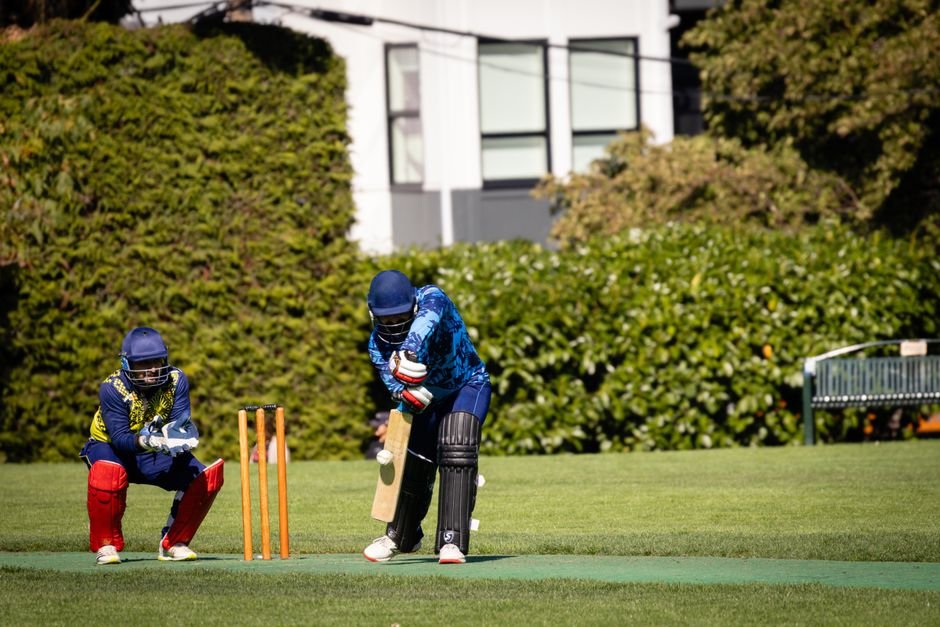
Good footwork separates a decent keeper from a great one. The goal is always to get your body behind the ball, not just your gloves.
- Take your trigger movement early. As the bowler enters the delivery stride, make a small rocking motion onto your toes. This primes your legs for movement in either direction.
- Move to the offside. Push off your left foot (for a right-handed keeper) and take a lateral step so your head and chest are behind the line of the ball.
- Move to the legside. Push off your right foot, cross your left foot behind and then settle into a catching position. Avoid reaching across your body.
- Stay low throughout movement. Many keepers make the mistake of standing up as they move sideways. Keep your hips down and your gloves close to the ground on low deliveries.
- Watch the ball into your gloves. Keep your eyes on the ball through the entire movement, not on the batter or the stumps.
Glove Technique: Taking the Ball Cleanly
Clean glovework comes from correct hand positioning and soft hands. Here is how to develop it.
- Fingers pointing down for deliveries below the waist and angling upward for deliveries at chest height or above
- Catch with both gloves together whenever possible, cupping the ball rather than stabbing at it
- Cushion the ball on impact by letting your hands give slightly as the ball arrives, like catching an egg
- Keep your throwing hand close to your glove hand so you can transfer quickly for a run-out or stumping
Practice catching a tennis ball against a wall for 10 minutes a day. This simple drill builds soft hands and glove confidence faster than almost anything else.
Stumpings and Run-Outs: Finishing the Job
Understanding how to keep wickets in cricket includes converting chances into dismissals. When a batter steps out of their crease, the margin for error is tiny.
For a stumping, take the ball first and then bring it to the stumps in one smooth sweep. Do not go for the bails before you have secured the catch. Many stumping chances are dropped because the keeper rushes the bail removal.
For run-outs, communicate clearly with your fielders and position yourself to receive the throw with the stumps in front of you. A calm, collected keeper organises the whole fielding unit.
Conclusion
Mastering how to keep wickets in cricket takes consistent practice and attention to the small details. Focus on your stance first, then your footwork, and finally your glove technique. Each skill builds on the last. Put in the work at training and you will quickly become the most valuable fielder on the park.