
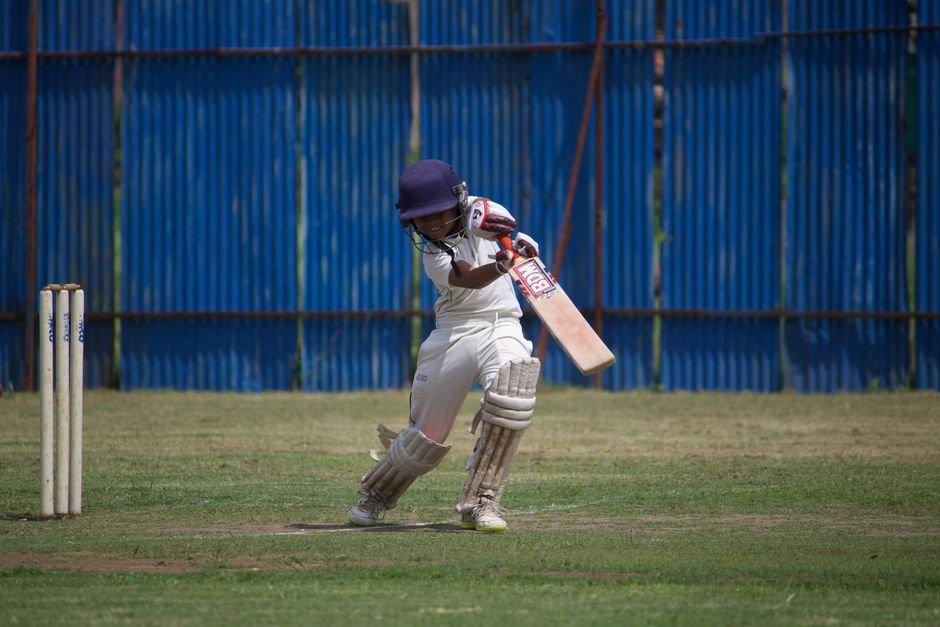
This cricket batting footwork guide covers everything you need to know about moving your feet correctly at the crease, from attacking front foot drives to disciplined back foot defence. Footwork is the foundation of great batting, and understanding when to go forward or back can be the difference between a century and a duck.
Table of Contents
Why Footwork Is the Foundation of Batting
Every elite batter in the world, from Virat Kohli to Steve Smith, builds their game on precise foot movement. Poor footwork leaves you playing in the wrong position relative to the ball, leading to mistimed shots, edges, and dismissals that feel frustrating and avoidable.
Studies of professional batters show that incorrect foot placement is responsible for over 60% of technical dismissals at lower amateur levels. Getting your feet moving correctly transforms your timing, balance, and shot selection immediately.
Kookaburra Cricket Batting Shoes with Rubber Spikes
Get the grip and stability your footwork demands — the right cricket shoes make every movement faster and more precise.
ⓘ Affiliate link — we earn a small commission if you buy, at no extra cost to you.
Cricket coaches at every level stress that batting technique starts from the ground up. Your feet position your body, your body positions your hands, and your hands deliver the shot. Fix the feet first, and everything else improves naturally.
- Good footwork gives you better reach to full-length deliveries
- It allows you to get on top of short-pitched balls more effectively
- It improves your balance through the entire shot-making process
- It reduces the risk of playing away from the body on driving lengths
Understanding Front Foot Play in Cricket
Front foot play means stepping forward toward the pitch of the ball to meet full-length and half-volley deliveries. This is your primary attacking movement against pace bowlers operating full and against most spin bowling on good surfaces.
The ideal front foot stride takes your lead foot 12 to 18 inches forward and slightly toward the line of the ball. Your weight transfers smoothly onto the front foot, allowing the bat to swing freely through the hitting zone with full extension.
Rohit Sharma is a masterclass in front foot play. His ability to get to the pitch of the ball against spin and pace lets him drive with stunning authority. Watch how his front knee bends at impact, keeping him balanced and low through the shot.
Key front foot shots include:
- The straight drive, hit down the ground with a full face of the bat
- The cover drive, angled through the off side with an open face
- The on drive, played with the bat angling through mid-on
- The forward defensive, used to smother spin or swing with soft hands
Mastering Back Foot Play and When to Use It
Back foot play involves moving your weight backward toward the stumps to deal with short-pitched, good-length, or rising deliveries. It is equally important as front foot movement in a complete cricket batting footwork guide.
Steve Smith’s unconventional but highly effective back foot movement has helped him average over 60 in Test cricket. His trigger movement back and across gives him extra time to assess pace and movement off the pitch.
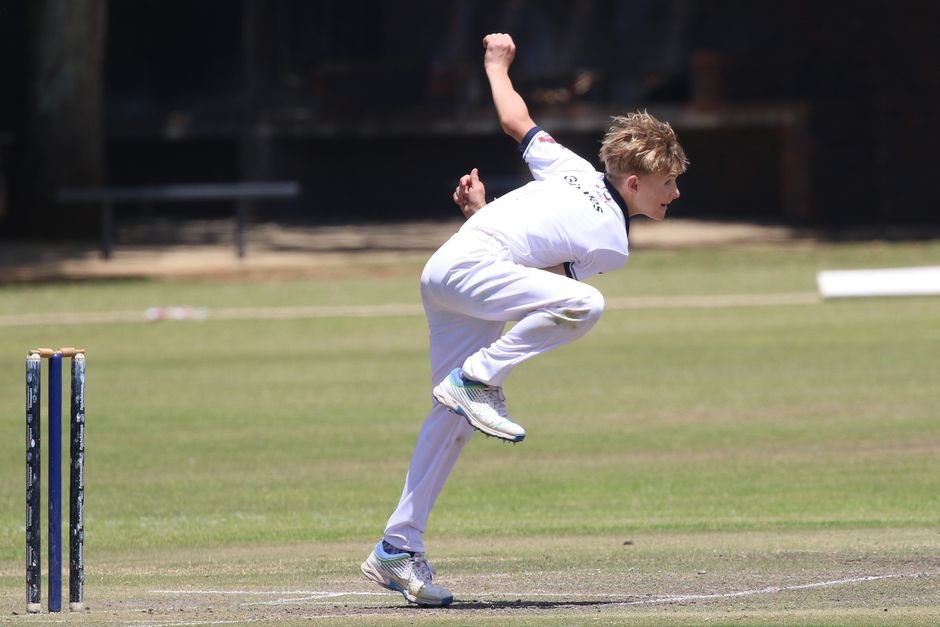
Moving back correctly means transferring weight onto your rear foot while getting your head in line with the ball. This positions you to play the pull, cut, or back foot punch with control and power.
- The pull shot is played against a short ball targeting your body or chest height
- The cut shot dispatches short and wide balls through the point region
- The back foot drive punishes a full good-length ball on or outside off stump
- The back foot defensive keeps out awkward rising deliveries safely
Common Footwork Mistakes and How to Fix Them
Even experienced club players make consistent footwork errors that limit their scoring and increase dismissal risk. Recognising these patterns is the first step in this cricket batting footwork guide toward lasting technical improvement.
The most common mistake is hard-handed footwork, where players plant their feet too early and then try to adjust with their arms alone. This creates stiff, imbalanced shots that the ball easily beats.
Another widespread issue is failing to decide between front and back foot. Half-measures leave you neither forward nor back, stranded in a dangerous no-man’s-land. Coaches like Justin Langer and Ravi Shastri have consistently highlighted this as the primary fault in developing batters.
- Drill: Shadow practice in front of a mirror to check stride length and weight transfer
- Drill: Use a bowling machine set to alternating lengths to force decisive movement
- Drill: Have a partner call “forward” or “back” as they bowl to train reactive footwork
- Drill: Place a target marker on the crease to guide your front foot stride direction
Grip tightness also affects footwork. When batters grip the bat too hard, tension travels up the arms and into the shoulders, restricting free movement and making the feet reluctant to commit to a stride.
Footwork Drills Used by Professional Coaches
Professional coaching programmes from Cricket Australia, the England and Wales Cricket Board, and the Board of Control for Cricket in India all emphasise footwork-specific drills in their development pathways.
The shadow batting drill is used globally. Batters face a wall or mirror and rehearse front and back foot movements in slow motion, focusing on head position, knee bend, and weight transfer without the distraction of a live ball.
Kookaburra and Gray-Nicolls both produce training aids specifically designed to improve footwork response times, widely used in elite academies across Australia and England.
The cone ladder drill is particularly effective. Coaches set out cones at crease length intervals. Batters shuffle along the line, alternating forward and backward strides in rhythm, building muscle memory for quick, decisive foot movement in match conditions.
Video analysis tools like Hudl and CricViz are now used by IPL and county teams to measure batter footwork in centimetres, helping coaches spot micro-errors invisible to the naked eye during a match.
Conclusion: Building Better Batting Through Footwork
This cricket batting footwork guide has walked through the science and practice of front and back foot play, common errors, and the drills used by elite coaches worldwide. Footwork is not glamorous, but it is the single most impactful technical area any batter can improve.
Batters who commit to footwork training consistently show improvement in average, strike rate, and confidence within just a few weeks of deliberate practice. The gains are real and measurable at every level of the game.
Whether you are a weekend club player in Mumbai or a developing academy talent in Birmingham, apply the principles in this cricket batting footwork guide to your next net session. Move your feet first, and your runs will follow. Start with mirror drills, progress to cone work, and always demand decisive foot movement from yourself before the ball reaches you.