

If you want to dominate short-pitched bowling, learning how to play pull shot cricket is one of the best skills you can develop. The pull shot is aggressive, match-changing and deeply satisfying when timed correctly. This guide breaks down the technique, common mistakes and the practice drills that will help you play it with confidence.
Table of Contents
What Is the Pull Shot and Why Does It Matter?
The pull shot is played against a short-pitched delivery that rises between hip and shoulder height. Instead of ducking or flinching, you rotate your body and pull the ball to the leg side with power. It is one of the most effective ways to punish a bowler who over-pitches short.
Top batters like Rohit Sharma, Joe Root and David Warner have all used the pull shot to change the momentum of an innings. Mastering this shot turns a defensive situation into an attacking opportunity.
Gray-Nicolls Kaboom Cricket Batting Tee Ball Training Aid
Perfect for solo pull shot practice — rep after rep, no bowler needed, build muscle memory fast.
ⓘ Affiliate link — we earn a small commission if you buy, at no extra cost to you.
- Effective against short-pitched pace bowling
- Creates scoring opportunities on the leg side
- Puts psychological pressure on the bowler
- Works across all formats, from Test cricket to T20
How to Play Pull Shot Cricket: Step-by-Step Technique
Getting the technique right from the start makes everything else easier. Follow these steps every time you face a short ball. Repetition builds muscle memory, and muscle memory builds confidence at the crease.
- Read the length early: Watch the ball leave the bowler’s hand. If it pitches short of a length and you see it rising quickly, commit to the pull shot immediately. Hesitation is your biggest enemy here.
- Move into position: Take a small step back and across towards the off side. This creates space and allows you to get behind the line of the ball. Your weight should shift onto the back foot.
- Get into a strong base: Bend your back knee slightly. Keep your head still and your eyes level. A solid, balanced base gives you the platform to rotate with control.
- Rotate your hips and shoulders: This is where the power comes from. As the ball arrives, drive your front hip through the shot. Your arms follow the hip rotation, not the other way around.
- Make contact in front of your body: Strike the ball when it is level with or slightly ahead of your face. Letting the ball get too far behind you leads to mistimed shots and risk of top-edging.
- Follow through high: After contact, your bat should finish high on the leg side, near shoulder height. A full follow-through shows you have committed to the shot completely.
- Hold your shape: Stay balanced after the shot. If you are stumbling or falling away, your base needs work. Balance equals control.
Common Mistakes to Avoid
Even experienced club players make the same errors with the pull shot. Knowing what to avoid saves you from unnecessary wickets.
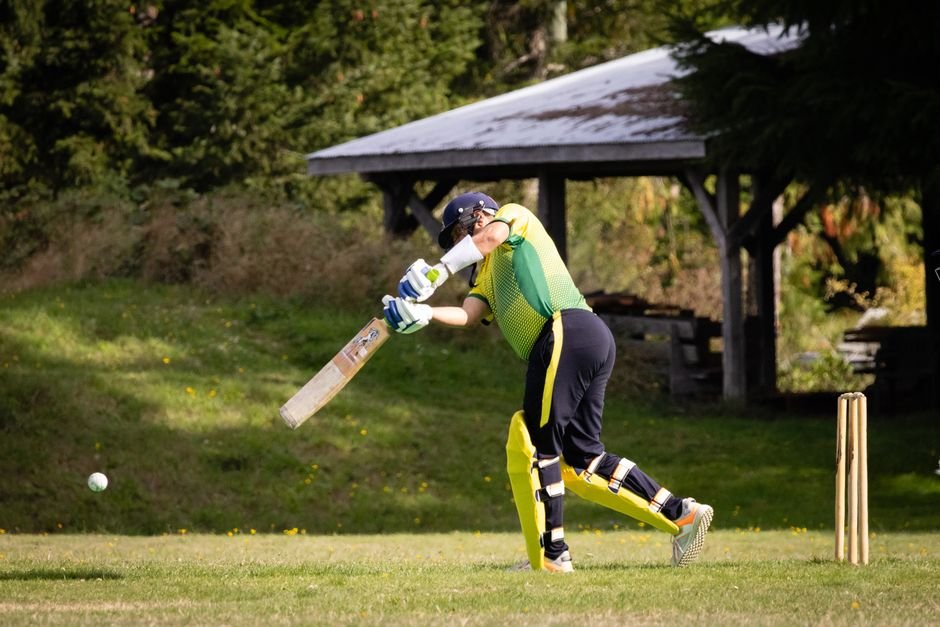
- Top-edging the ball: Usually caused by playing the shot too late or failing to get into position quickly enough.
- Playing across the line: If your bat face is closed at contact, you lose direction and power.
- Swaying away from the ball: Moving backward instead of sideways limits your range and control.
- Taking your eyes off the ball: Keep watching the ball all the way onto the bat face.
Practice Drills to Sharpen Your Pull Shot
Understanding how to play pull shot cricket is one thing. Building the skill through deliberate practice is what actually produces results on match day. These drills are used by coaches at every level.
Throw-Down Drill
Ask a partner to throw short-pitched balls from about 10 metres away. Focus entirely on footwork and getting into position. Start slow, then build pace as your timing improves. Do 20 repetitions per session.
Tee Ball Drill
Place a ball on a batting tee set at shoulder height. Practice your swing and follow-through without worrying about movement. This isolates the arm and hip rotation and builds a consistent swing path.
Short-Pitched Net Sessions
Ask your net bowler to bowl a consistent short-pitched line. Tell them your specific goal is working the pull shot. Focused net sessions are far more effective than general practice.
Choosing When to Play the Pull Shot in a Match
Knowing how to play pull shot cricket also means knowing when to use it. Conditions matter. On a slow pitch, the ball may not rise as expected, so wait for the right delivery. On a fast, bouncy surface, the pull shot becomes one of your most powerful weapons.
Read the match situation too. Early in your innings, be selective. Once you are settled and seeing the ball well, you can be more aggressive with the shot.
Conclusion
The pull shot is a skill every serious batter should own. Once you understand how to play pull shot cricket with the correct technique, timed contact and committed follow-through, you will find short-pitched bowling far less threatening. Put in the practice time, trust your preparation and back yourself to play the shot with authority when the moment arrives.