
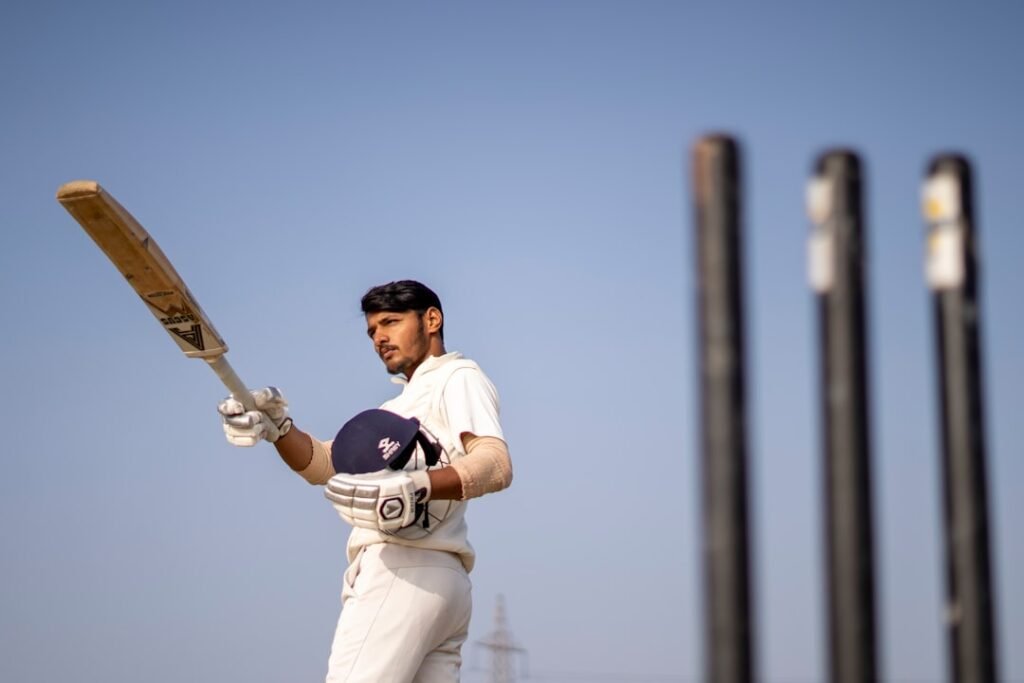
Photo by Yogendra Singh on Unsplash
If you are just starting out in cricket, learning how to bat properly can feel overwhelming. The good news is that the right cricket batting drills for beginners can fast-track your progress. These exercises build muscle memory, improve timing, and help you hit the ball with confidence. You do not need a full team or a professional coach to get started. A little space, a bat, and some commitment are enough to see real improvement quickly.
Table of Contents
- Why Batting Drills Matter for New Players
- The 8 Best Cricket Batting Drills for Beginners
- 1. Grip and Stance Practice
- 2. Shadow Batting
- 3. Tee Batting
- 4. Underarm Feed Drill
- 5. Wall Ball Drill
- 6. Short Pitch Reaction Drill
- 7. Running Between the Wickets
- 8. Target Hitting Drill
- Simple Tips to Get the Most From Your Practice
- Common Beginner Mistakes to Avoid
- How Often Should You Practice These Drills?
- Conclusion
Why Batting Drills Matter for New Players
Batting is one of the most technical skills in cricket. Every small detail, from how you hold the bat to how you move your feet, affects your performance. Drills break big skills into small, repeatable actions. When you repeat an action correctly many times, your body learns to do it automatically. That is called muscle memory, and it is the foundation of good batting.
Beginners who skip drills and jump straight into match play often develop bad habits that are hard to fix later. Spending even 20 minutes a day on structured practice makes a huge difference over weeks and months.
Kookaburra Cricket Batting Tee for Training
Practice your batting stance and shot technique solo anytime — perfect for beginners building muscle memory fast.
ⓘ Affiliate link — we earn a small commission if you buy, at no extra cost to you.
The 8 Best Cricket Batting Drills for Beginners
1. Grip and Stance Practice
Before swinging the bat, you need the right grip. Hold the bat with both hands close together, with the V shapes formed by your thumbs and forefingers pointing down the bat. Your stance means the way you stand at the crease (the marked area where the batter stands). Stand side-on to the bowler, feet shoulder-width apart, knees slightly bent.
Practice picking up the bat, gripping it correctly, and settling into your stance 20 times in a row. A good grip is the single most important foundation of batting.
2. Shadow Batting
Shadow batting means practicing your batting shots without a ball. Stand in front of a mirror or on a practice surface and play imaginary shots slowly and deliberately. Focus on your footwork (how you move your feet toward or away from the ball) and your backlift (lifting the bat back before you swing). This drill costs nothing and can be done anywhere.
3. Tee Batting
A batting tee is a simple stand that holds a ball still at a fixed height. You hit the stationary ball, which removes the pressure of timing and lets you focus purely on your shot technique. Hit 50 balls off a tee every session to build a solid, repeatable swing. You can make a basic tee with a cone and a ball at home.
4. Underarm Feed Drill
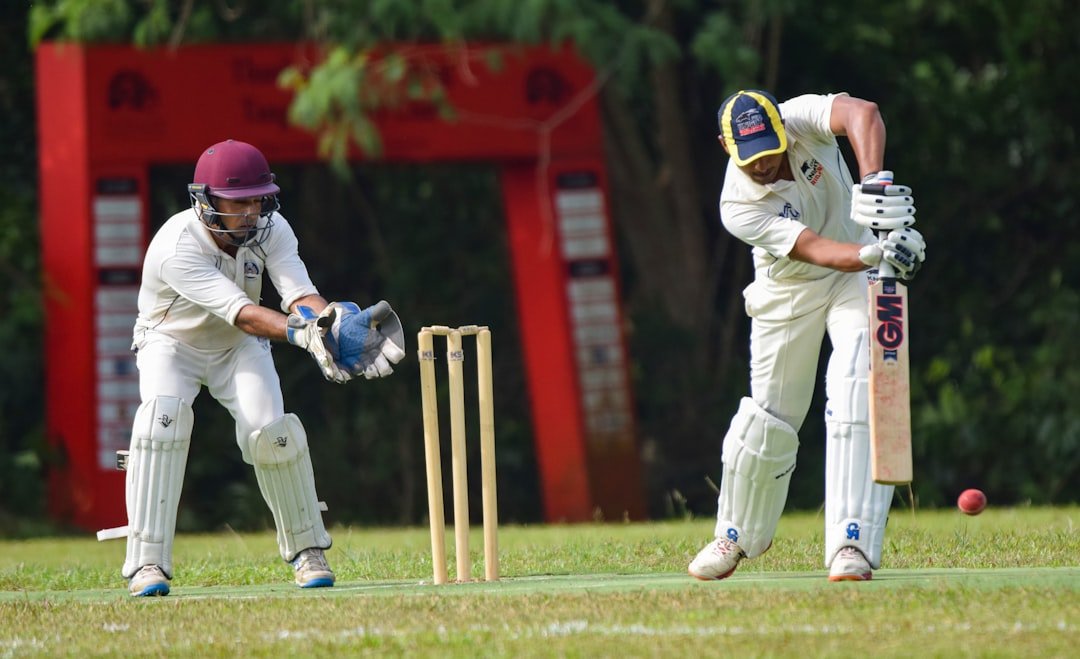
Ask a partner to gently toss the ball underarm toward you from about five metres away. This soft, slow delivery gives you time to watch the ball and practice playing it correctly. Focus on getting your front foot (the foot closest to the bowler) forward to meet the ball. This drill trains the most important shot in batting, called the forward defensive or front foot drive.
5. Wall Ball Drill
Stand a few metres from a wall and throw a tennis ball against it. As it bounces back, practice hitting it with your bat. This improves your reaction time and eye-hand coordination. Start slowly and increase speed as your confidence grows. A tennis ball is softer and safer for beginners practicing alone.
6. Short Pitch Reaction Drill
A short-pitched delivery is a ball that bounces up toward your chest or head. Ask a partner to throw tennis balls at varied heights from short range. Practice swaying back and swaying out of the way (called the sway or duck) or playing a pull shot (a horizontal swing targeting a high ball). This trains your instincts and footwork under pressure.
7. Running Between the Wickets
Scoring runs also involves running between the wickets, which are the three stumps at each end of the pitch. Practice calling yes or no clearly to a partner and sprinting the 22-yard length of the pitch. Most run-outs (dismissals caused by slow or confused running) happen due to poor communication. Practice this as seriously as any shot drill.
8. Target Hitting Drill
Place cones or markers in different areas of an imaginary field. Ask a partner to feed the ball and call out a target zone. Try to direct your shot toward that zone. This develops shot selection, which means choosing the right shot for each delivery.
Simple Tips to Get the Most From Your Practice
- Practice for shorter sessions more often rather than one long session per week
- Always warm up your shoulders and wrists before batting practice
- Record yourself on a phone to spot bad habits in your technique
- Focus on one drill at a time instead of rushing through all eight
Common Beginner Mistakes to Avoid
- Gripping the bat too tightly, which slows your swing and tires your arms
- Moving your feet too late or not at all when the ball arrives
- Looking away from the ball at the moment of contact
- Trying to hit every ball hard instead of playing it on merit
How Often Should You Practice These Drills?
Three to four sessions per week is ideal for beginners. Each session does not need to be longer than 30 to 45 minutes. Consistency beats intensity. Short, focused sessions five days a week will improve your batting faster than a two-hour session once a week.
These cricket batting drills for beginners work best when combined with patience. Progress in cricket is not always visible after one session, but it compounds over time.
Conclusion
Starting your cricket batting journey is exciting, and these eight drills give you a clear, practical path forward. From perfecting your grip to reacting to short balls, every exercise in this guide builds a real skill you will use in matches. Stick with these cricket batting drills for beginners, stay patient with yourself, and you will be surprised how quickly your game improves. Every great batter started exactly where you are now.