
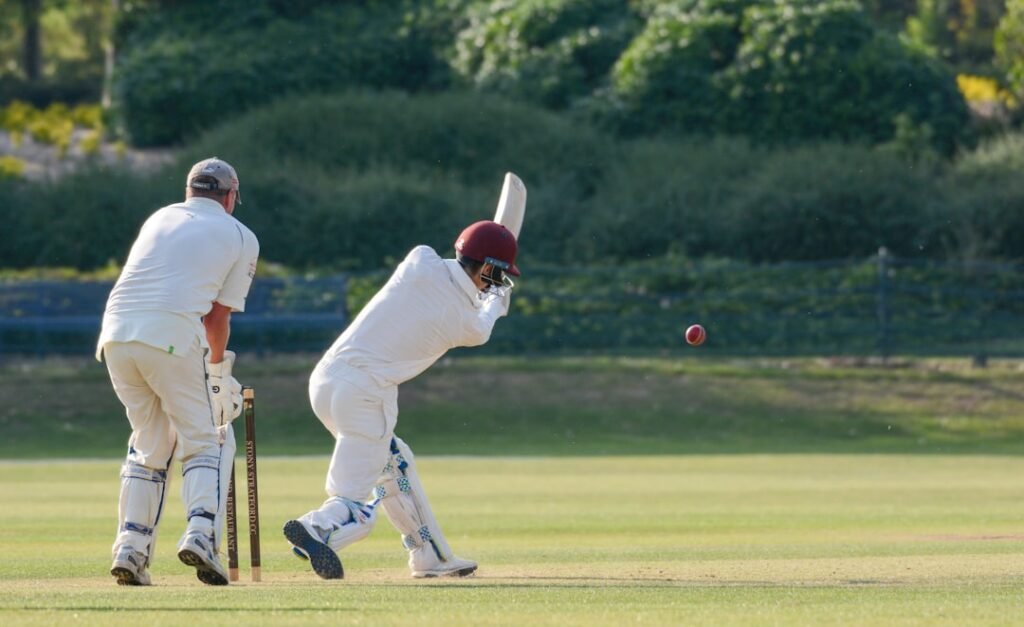
Photo by John Oswald on Unsplash
Mastering your movement at the crease can transform your batting overnight. This cricket batting footwork guide breaks down the two core movements every batter must own: front foot play and back foot play. Whether you are facing swing in England, pace in Australia, or spin in India, your feet decide your fate before your bat even moves.
Table of Contents
- Why Footwork Is the Foundation of Good Batting
- Cricket Batting Footwork Guide: Front Foot Play Explained
- Key Technical Points for Front Foot Play
- Back Foot Play: When to Go Back and Across
- Key Technical Points for Back Foot Play
- Reading Length Early: The Trigger Movement
- Drills to Improve Your Footwork Fast
- Conclusion
Why Footwork Is the Foundation of Good Batting
Your feet position your body, your body positions your hands, and your hands control the bat. It really is that simple. Poor footwork forces you into awkward positions that expose your stumps and edges. Good footwork puts you in balance, giving you time and options.
Elite batters move their feet first and their bat second. This instinct is built through repetition and a clear understanding of when to go forward and when to go back. The decision happens in fractions of a second, so it must be automatic.
Gray-Nicolls Cricket Batting Throw Down Agility Cones and Footwork Training Kit
Sharpen your front and back foot movement with dedicated footwork drills using pro-grade agility cones.
ⓘ Affiliate link — we earn a small commission if you buy, at no extra cost to you.
- Front foot movement is used for full-length and overpitched deliveries
- Back foot movement is used for short-pitched and good-length deliveries
- Neutral stance allows quick triggering in either direction
Cricket Batting Footwork Guide: Front Foot Play Explained
Front foot play means driving your lead foot down the pitch toward the ball. The goal is to get as close to the pitch of the ball as possible to reduce swing, seam, and spin movement.
When the ball is full, hesitation is your biggest enemy. A strong front foot stride kills the angle and allows you to hit the ball under your eyes. This is why front foot drives are among the most controlled shots in batting.
Key Technical Points for Front Foot Play
- Point your front toe toward mid-on during the stride to open the hips slightly and create drive power
- Keep your head over your front knee at contact to stay balanced and avoid falling across
- Bend your front knee to lower your center of gravity and play through the line
- Reach your front foot to the pitch of the ball rather than planting it short and lunging
Common shots played off the front foot include the straight drive, cover drive, on drive, and the defended push. Against spin, a big front foot stride also helps you smother the turn before it bites.
Back Foot Play: When to Go Back and Across
Back foot play involves transferring your weight onto your rear foot and moving across toward the off stump. This technique is essential when the ball is short or sitting up on a good length. Going back gives you extra time to read pace, bounce, and movement.
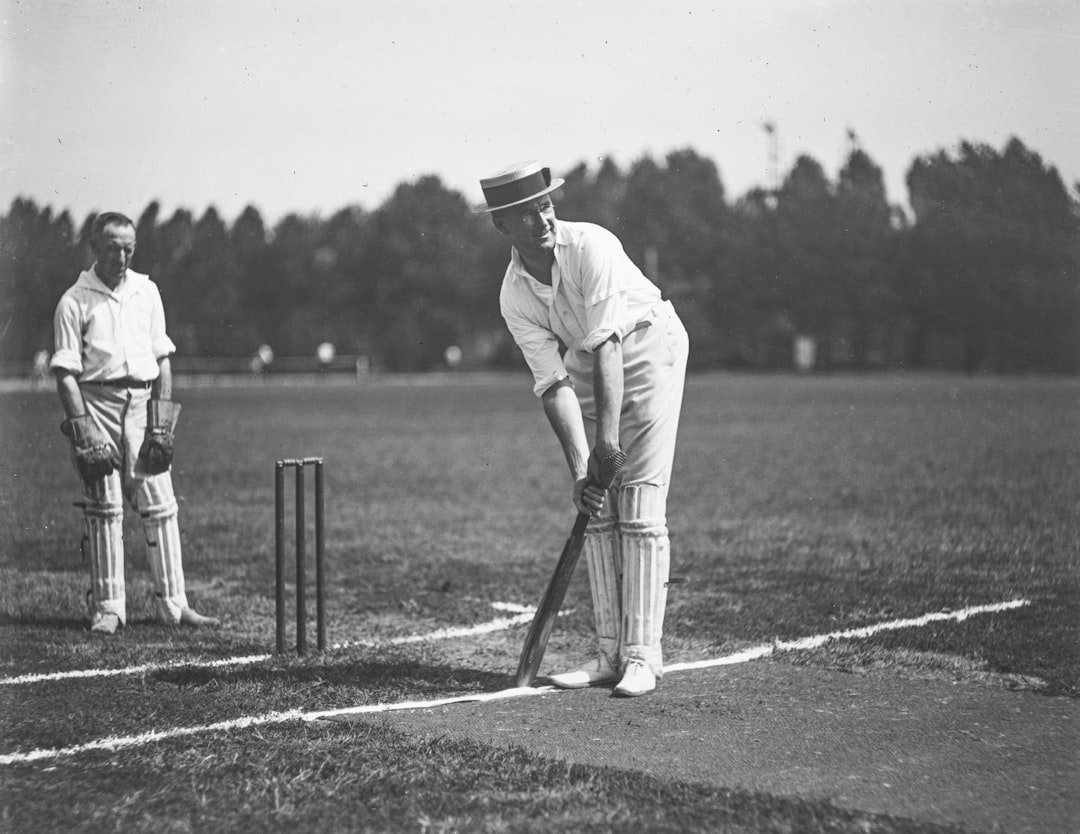
The back and across movement must be decisive. Drifting back without moving across leaves your stumps exposed and creates a gap between bat and pad. The correct move is back and across simultaneously.
Key Technical Points for Back Foot Play
- Move your back foot parallel to the crease so your weight sits evenly
- Keep your head still and upright to track the ball into the bat
- Hands stay close to the body on the pull and cut to maintain control
- Watch the ball from the bowler’s hand all the way through to contact
Back foot shots include the pull, cut, hook, glance, and the defensive prod. Knowing when to play each depends on the ball’s length, height, and line.
Reading Length Early: The Trigger Movement
Elite batters do not wait to see the full delivery before deciding. They use a trigger movement as the bowler enters their delivery stride. This small pre-movement, either a slight back press or forward press, activates the feet and shortens reaction time.
Steve Smith’s exaggerated back and across press is the most famous modern example. Others like Kane Williamson use a minimal forward press. There is no single correct trigger, but there must be one. Standing completely still makes late footwork almost inevitable.
Practicing length recognition in nets with a coach feeding balls of varying length is one of the fastest ways to sharpen this skill. Call “front” or “back” out loud as the ball is released to train your decision-making under pressure.
Drills to Improve Your Footwork Fast
Reading about footwork only goes so far. Here are practical ways to develop it quickly in training sessions.
- Cone drills: Place cones at front foot and back foot positions. Shadow practice the movement repeatedly without a ball
- Throwdown sessions: Ask a feeder to mix lengths unpredictably, forcing live decision-making
- Slow-motion video review: Film your feet in nets and compare your position at contact against top batters
- Batting on a mat with a spin machine: Spin exaggerates errors in footwork, making faults immediately obvious
Even ten minutes of focused footwork drilling before a net session builds muscle memory faster than hours of general hitting practice.
Conclusion
Good batting always starts from the ground up. This cricket batting footwork guide shows that front foot and back foot play are not isolated techniques but two halves of a complete system. Master your trigger movement, commit to your decision early, and practice length reading until it becomes instinct. Do that consistently, and your scoring and survival rate will improve across every format and surface.