
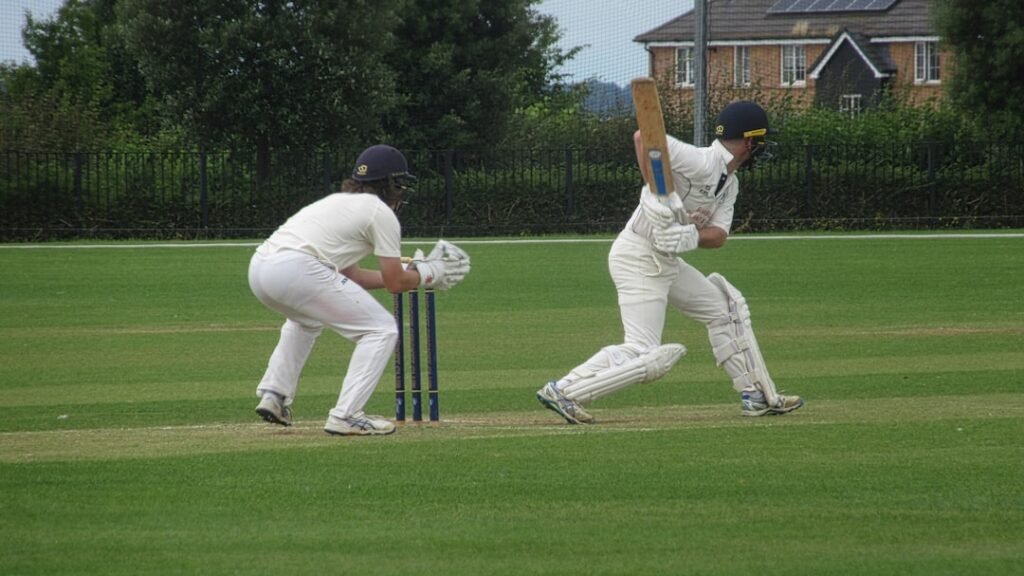
Photo by michael weir on Unsplash
Learning how to keep wickets in cricket is one of the most rewarding skills you can develop as a player. The wicketkeeper is involved in every single delivery, and a strong keeper can change the outcome of a match. Whether you are just starting out or looking to sharpen your technique, this guide breaks down positioning, footwork and glove work into clear, actionable steps.
Table of Contents
Why Wicketkeeping Is a Specialist Skill
Many club players underestimate how demanding wicketkeeping is. It requires sharp reflexes, total concentration and excellent physical conditioning. You are not just catching the ball. You are reading the pitch, the bowler and the batsman simultaneously.
A good keeper also lifts the entire team’s energy. Loud appeals, sharp catches and tidy glove work all create pressure on the batting side. The role demands both technical discipline and mental toughness.
Kookaburra Pro 2.0 Wicketkeeper Gloves
Professional-grade keeping gloves with superior grip and padding to help you take the ball cleanly every delivery.
ⓘ Affiliate link — we earn a small commission if you buy, at no extra cost to you.
How to Keep Wickets in Cricket: The Correct Starting Position
Your base position sets up everything else. If you get this wrong, even good reflexes will not save you. Here is how to set up properly before each delivery.
- Feet shoulder-width apart: Plant your feet slightly wider than your shoulders. Your weight should be balanced evenly across the balls of your feet, not your heels.
- Squat low and early: Get into your crouching position as the bowler enters their delivery stride. Do not squat too late or you will miss the ball’s early movement.
- Hands together, fingers pointing down: Keep your gloves close together with fingers pointing toward the pitch. This prevents the ball jamming into your fingers on low deliveries.
- Eyes level with the bail: Your eye line should be roughly level with the top of the stumps. This gives you the best view of the ball’s bounce and movement.
- Stay relaxed: Tension kills reaction speed. Keep your shoulders loose and breathe steadily as the bowler runs in.
Footwork: Moving to the Ball Correctly
Good footwork is what separates a tidy keeper from a great one. Your gloves can only do their job if your feet have already put you in the right place.
Use these movement principles on every delivery:
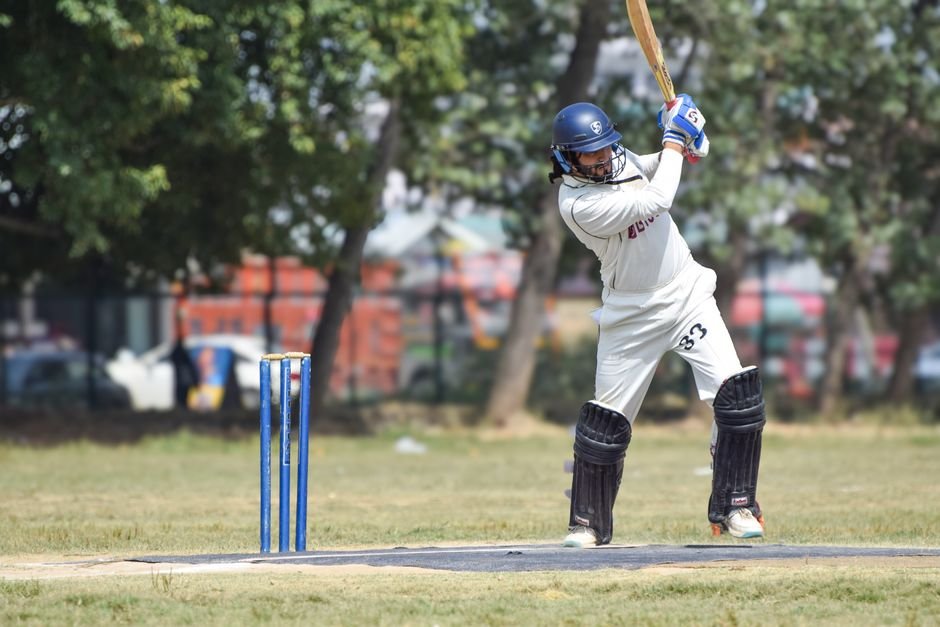
- Move outside the off stump first on a good length delivery. This keeps you behind the ball rather than reaching across your body.
- Never cross your feet. Always move with small, quick side steps to stay balanced through the take.
- For wide deliveries, lead with the foot nearest the ball, then bring your other foot in to complete the movement.
- On leg-side takes, push off your right foot early. Keepers who react late to the leg side miss easy chances.
Practice shadow footwork drills without a ball every session. Twenty minutes of footwork patterns will improve your movement faster than anything else.
Glove Technique: Taking the Ball Cleanly
Soft hands are the foundation of good glove work. The goal is to absorb the ball into your gloves rather than snatching at it. Snatching causes dropped catches and missed stumpings.
- Watch the ball all the way into your gloves: Never take your eyes off the ball. This sounds obvious, but pressure moments cause keepers to look up too early.
- Give with the ball: As the ball arrives, allow your hands to travel slightly back in the direction the ball is coming from. This cushions the impact and secures the take.
- Keep your fingers relaxed: Rigid fingers lead to dropped catches. Relax them until the moment of impact.
- Take outside the line of the stumps when possible: This gives you more time to react and creates a cleaner take, especially for stumpings.
Standing Up and Standing Back: Knowing When to Do Each
Understanding how to keep wickets in cricket against different bowling types is essential for any keeper.
- Stand up to the stumps for slow bowlers and medium pacers. This creates stumping chances and puts pressure on the batsman to stay in their crease.
- Stand back for fast bowlers. Give yourself enough distance to take the ball comfortably after it passes the bat.
- Communicate with your captain about where to stand. The pitch condition, bowler pace and match situation all influence the decision.
When standing up, your gloves must not be in front of the stumps as the ball is bowled. This is a no-ball under the Laws of Cricket.
Building Your Keeping Skills Over Time
Mastering how to keep wickets in cricket takes dedicated practice and patience. Film yourself keeping in training sessions. You will spot footwork issues and glove problems that feel invisible in the moment. Ask your coach or captain for honest feedback after every game. Every session is a chance to improve one small thing, and those small improvements compound quickly over a season.
Focus on consistency over brilliance. The best keepers in the world make the routine look effortless. Get your base position, footwork and glove work right on every delivery, and the spectacular moments will take care of themselves. Enjoy the role. The wicketkeeper is always in the game.