
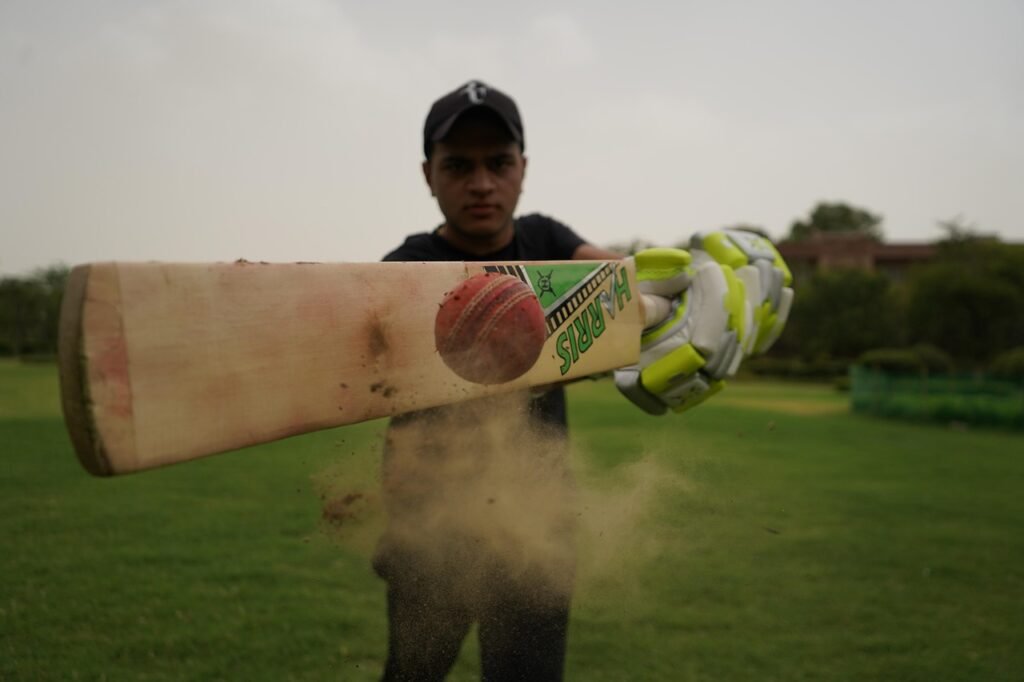
Good footwork separates average batters from great ones. Whether you are playing club cricket or watching the pros, movement to the ball is the foundation of every shot. This cricket batting footwork guide breaks down the two core approaches – front foot play and back foot play – so you can understand when to use each, why it matters, and how to train your feet to react faster under pressure.
Table of Contents
Why Footwork Is the Foundation of Batting
Your feet move before your hands. That is the golden rule. If your feet are in the wrong position, even a technically perfect swing will produce a mistimed shot. Footwork determines your balance, your reach, and your ability to control the ball on any surface.
Top batters like Virat Kohli and Steve Smith are obsessive about foot movement. Kohli’s aggressive front foot drive and Smith’s unorthodox back foot shuffle both work because they get into position early. The bat follows the feet, not the other way around.
Gray-Nicolls Cricket Batting Throw Down Target Cones Training Aid Set
Set foot markers to drill front and back foot movement — train smarter and build muscle memory faster.
ⓘ Affiliate link — we earn a small commission if you buy, at no extra cost to you.
- Good footwork creates time to play the shot correctly
- Poor footwork forces you to play across the line
- Early movement helps you read length more accurately
- Balanced footwork reduces the risk of LBW dismissals
Cricket Batting Footwork Guide: Front Foot Fundamentals
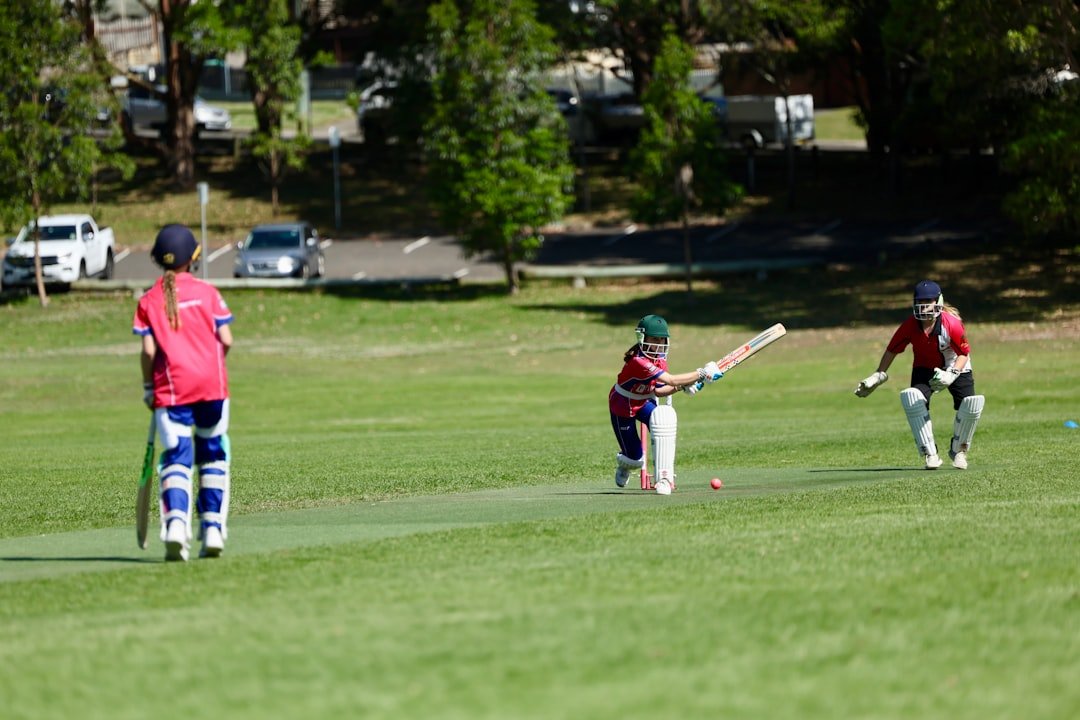
Front foot play is triggered when the ball is pitched full – typically on a good length or full length. You move your front foot towards the pitch of the ball, getting as close to the ball as possible before playing your shot.
The key is to stride forward with your front foot pointing down the pitch, not across it. Your head should come with the foot, keeping your eyes level and your weight transferring into the ball at the moment of contact.
When to Go Forward
Read the cues early. If the bowler releases from a full arm swing and the ball is pitching around the half-volley to good length zone, commit forward. Hesitation kills the drive. A decisive front foot stride puts you in control of full deliveries.
- Full deliveries and half-volleys demand a front foot stride
- Overpitched balls are punished with drives through the covers or straight
- Yorkers require a last-second adjustment with a quick dig-out action
- Swing bowling conditions favour a positive front foot press to smother movement
Common Front Foot Mistakes
Many batters stride too wide, pushing the front foot outside off stump rather than towards the ball. This opens the face of the bat and creates edges. Another common error is not transferring weight fully, leaving you stuck in the crease and losing power in the shot.
Back Foot Play: When to Stay Back
Back foot play comes into effect against short-pitched deliveries and balls that bounce more than expected. Instead of moving forward, you transfer your weight onto the back foot, creating space to see the ball and play it late off the pitch.
The back foot should move towards the stumps, not across them. Many beginners move sideways rather than backwards, which cramps their shot-making and removes control. Moving directly back gives you room to punch, pull, cut, or defend.
When to Stay Back
Short of a length and short-pitched balls demand a back foot response. If the ball is rising above waist height, going forward is dangerous. Pulling and cutting are aggressive back foot options, while the back foot defensive keeps you safe against balls that keep low or seam late.
- Short of a length deliveries – punch through the off side
- Short-pitched balls rising to chest or head height – play the pull or hook
- Turning deliveries on a pitch with uneven bounce – use the crease for time
- Fast bowlers on bouncy pitches – stay back and watch the ball longer
Drills to Improve Your Footwork
You do not need a full net session to sharpen your footwork. Solo drills done consistently make a massive difference to your muscle memory and reaction speed.
| Drill | Focus | Duration |
|---|---|---|
| Shadow batting | Front and back foot movement patterns | 10 minutes daily |
| Cone ladder drill | Quick feet and lateral agility | 5 minutes daily |
| Tee ball hitting | Weight transfer into the ball | 15 minutes per session |
| Short pitch throwdowns | Back foot reaction and pull shot timing | 20 balls per session |
Shadow batting in front of a mirror is one of the most underrated training tools available. It allows you to see exactly where your feet are landing and whether your head position is correct on each movement.
Front Foot vs Back Foot: Reading Length Early
The hardest skill in batting is committing to a foot movement before the ball arrives. Elite batters read length from the bowler’s hand, the release point, and the trajectory in the first few metres of flight. This is what allows them to get into position early.
A practical tip used by coaches worldwide: watch the bowler’s wrist, not the ball, at the point of release. The wrist position tells you whether the ball will be full or short a fraction of a second earlier than the ball itself does.
Practicing this in the nets with a specific focus on reading length – rather than just hitting – accelerates footwork development faster than any mechanical drill.
Conclusion
This cricket batting footwork guide gives you the framework to make better decisions at the crease. Front foot play dominates against full deliveries and creates run-scoring opportunities through the off side and straight. Back foot play gives you time and control against pace and bounce. Master both and you become very hard to dismiss. Use the drills, train your eyes to read length early, and your footwork will improve your entire batting game. Refer back to this cricket batting footwork guide as you progress through different formats and conditions.