
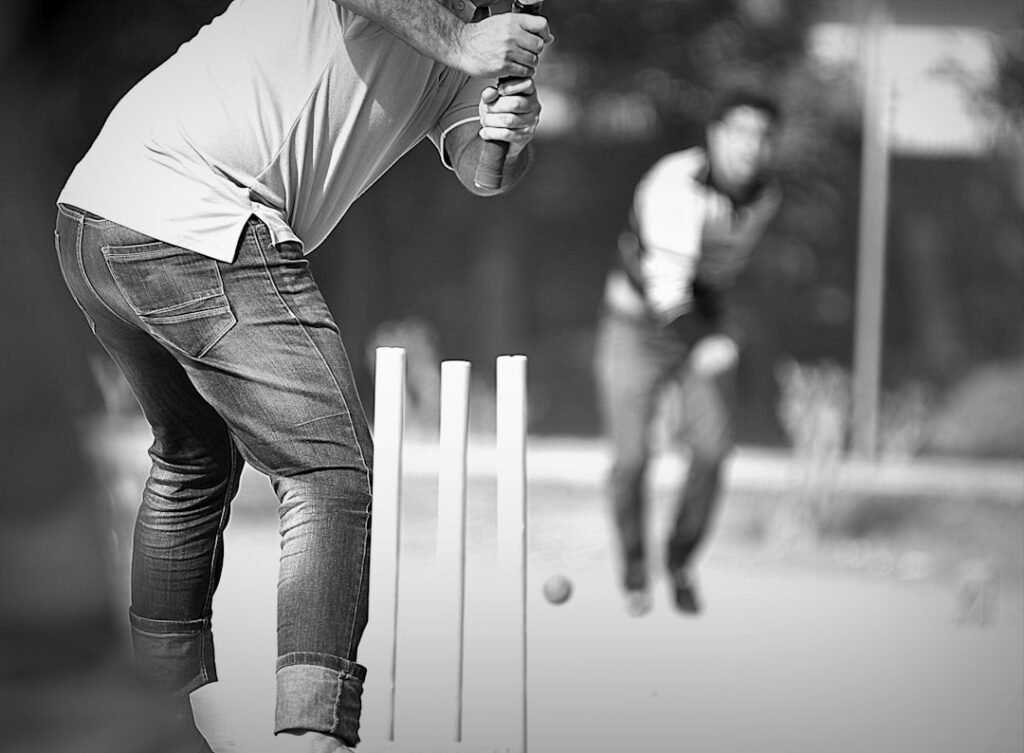
Photo by LumenSoft Technologies on Unsplash
Choosing the right cricket bat can make a real difference to your game. Whether you’re buying for a young player just starting out or upgrading your own kit, this cricket bat size guide covers everything you need to know. Get the size wrong and you’ll struggle with control, timing, and even risk injury. Get it right and the bat feels like an extension of your arm.
Table of Contents
Cricket Bat Size Guide: The Complete Sizing Chart by Age and Height
Cricket bat sizes are numbered from 1 through to Harrow, then Short Handle and Long Handle for adults. Each size corresponds to a player’s height and age range. Use the table below as your starting point, then fine-tune based on the individual player’s build and comfort.
| Bat Size | Player Height | Recommended Age |
|---|---|---|
| Size 1 | Up to 4ft 3in (130cm) | 4 to 5 years |
| Size 2 | 4ft 3in to 4ft 6in (130-137cm) | 6 to 7 years |
| Size 3 | 4ft 6in to 4ft 9in (137-145cm) | 8 to 9 years |
| Size 4 | 4ft 9in to 4ft 11in (145-150cm) | 9 to 10 years |
| Size 5 | 4ft 11in to 5ft 2in (150-157cm) | 10 to 11 years |
| Size 6 | 5ft 2in to 5ft 5in (157-165cm) | 11 to 13 years |
| Harrow | 5ft 5in to 5ft 7in (165-170cm) | 13 to 15 years |
| Short Handle | 5ft 7in to 6ft 2in (170-188cm) | 15 and above |
| Long Handle | 6ft 2in and above (188cm+) | Adult tall players |
Height is always more reliable than age alone. Two 10-year-olds can differ significantly in size, so always measure first.
Gray-Nicolls Encore Junior Cricket Bat
A trusted junior bat from Gray-Nicolls — perfect for young players once you've found their ideal size.
ⓘ Affiliate link — we earn a small commission if you buy, at no extra cost to you.
How to Measure for the Right Bat Size
Stand upright in your batting shoes or trainers. Hold the bat handle at your side with the blade pointing downward. The ideal bat should reach no higher than the top of your wrist. If the bat extends past the wrist crease, it’s too long. If it falls well short, go up a size.
Another simple method: stand the bat next to your leg. The top of the handle should comfortably reach your hip. This is a quick check you can do in any cricket shop before purchasing.
- Always measure height in cricket shoes or pads, not bare feet
- If a player is between sizes, choose the smaller bat for better control
- Junior players grow quickly, so avoid buying too far ahead in size
Junior vs Adult Bat Differences
Junior bats are not simply scaled-down adult bats. They are built lighter with smaller grips and shorter handles to suit developing players. A child using an oversized bat will develop poor technique because they compensate for the weight by gripping too hard and swinging incorrectly.
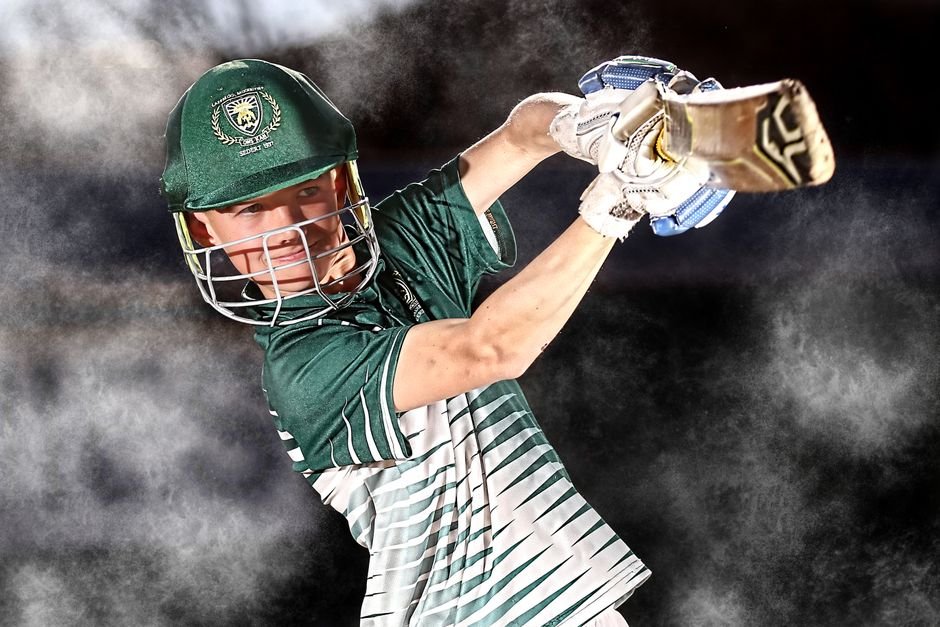
Adult bats come in Short Handle and Long Handle variants. The vast majority of professional and club cricketers use Short Handle bats, which are suitable for anyone between 5ft 7in and 6ft 2in. Taller players above 6ft 2in should consider a Long Handle for comfortable reach at the crease.
Bat Weight: What You Need to Know
Size and weight go hand in hand. A correctly sized bat that is too heavy will still hinder a player’s game. This matters especially for younger players and those returning from injury.
- Junior bats typically weigh between 1lb 2oz and 2lb
- Adult bats usually range from 2lb 7oz to 2lb 12oz
- Power hitters sometimes prefer bats up to 3lb, but this suits very few players
A general rule: you should be able to comfortably lift the bat with one hand and play a straight drive without straining. If you can’t, the bat is too heavy.
Picking the Right Bat for Different Playing Styles
Once you have the correct size locked in, consider how you play. Aggressive stroke players often prefer a bat with a higher sweet spot and thicker edges for maximum power. Technically correct players and those who play on slow pitches often do better with a mid or low sweet spot for better ground-force shots.
For players in India and the subcontinent, where pitches are slower, a slightly lighter bat with a lower sweet spot tends to work well. Players in England and Australia often favour heavier bats suited to bouncier conditions.
- High sweet spot: suited to fast, bouncy pitches
- Mid sweet spot: all-round option for most conditions
- Low sweet spot: ideal for slower, lower-bouncing pitches
Conclusion
The right bat size can genuinely transform how you play. Use this cricket bat size guide as your foundation, measure carefully, and always prioritise comfort and control over style. Whether you’re shopping for a young beginner or a seasoned club cricketer, the perfect bat is the one that feels natural in your hands. Revisit this cricket bat size guide each season, especially for growing junior players, to make sure the fit is still right.