
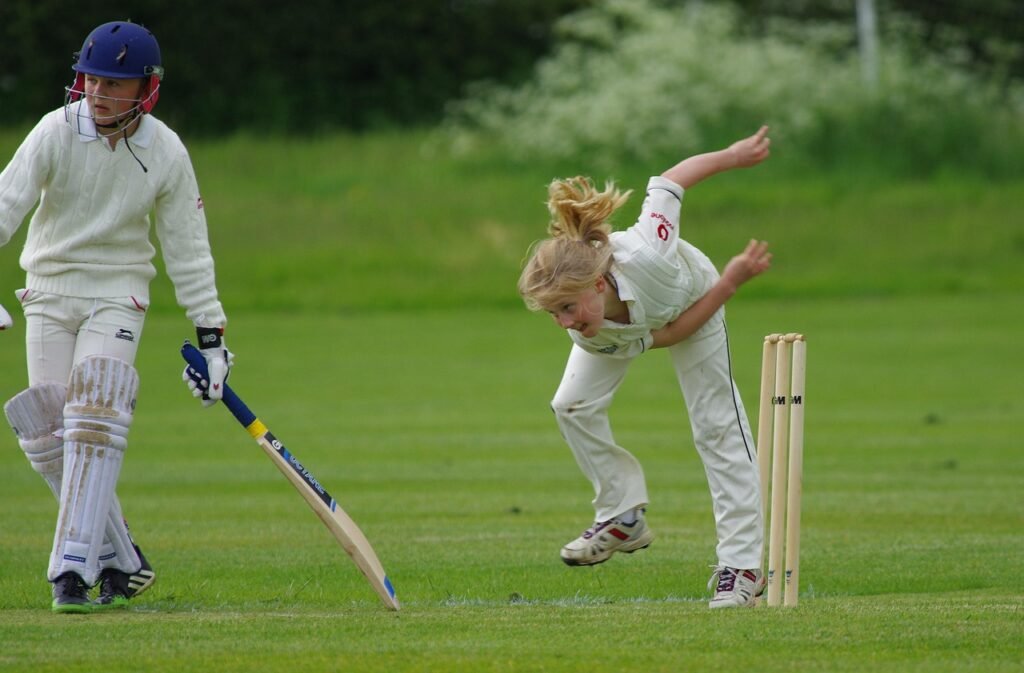
If you are just starting out in cricket, learning how to bat properly can feel overwhelming. The good news is that the right cricket batting drills for beginners can build your skills quickly and give you real confidence at the crease (the area where the batter stands). These eight simple exercises focus on the basics so you can improve fast, even if you have never picked up a bat before.
Table of Contents
- Why Drills Matter Before You Face Real Bowling
- The 8 Best Cricket Batting Drills for Beginners
- 1. The Stance Check
- 2. Shadow Batting
- 3. The Tee Drill
- 4. Short Toss Drill
- 5. Front Foot Drive Practice
- 6. Back Foot Defence
- 7. Footwork Ladder Drill
- 8. Wall Ball Drill
- Tips to Get the Most from Your Practice Sessions
- Common Mistakes Beginners Make
- How Long Before You See Real Improvement
Why Drills Matter Before You Face Real Bowling
Batting in cricket is about timing, footwork, and body position working together. Jumping straight into a match without practice is like trying to swim without first learning to float. Drills break the skill down into manageable pieces so your muscles learn the right habits gradually.
Consistent practice also builds what coaches call muscle memory, meaning your body starts to react correctly without you having to think too hard. That is when batting starts to feel natural and fun.
Cricket Batting Tee Training Aid for Beginners
Practice your drives and defence at home — a batting tee lets you nail the Tee Drill solo, anytime.
ⓘ Affiliate link — we earn a small commission if you buy, at no extra cost to you.
The 8 Best Cricket Batting Drills for Beginners
1. The Stance Check
Your stance is the way you stand before the bowler (the person throwing the ball) delivers. Stand side-on to an imaginary bowler, feet shoulder-width apart, knees slightly bent. Hold the bat down by your back foot. Practise getting into this position repeatedly until it feels automatic. A good stance is the foundation of every other skill.
2. Shadow Batting
Shadow batting means practising your shots without a ball. Stand in your stance and slowly play a forward defensive shot, which is a simple push forward to block the ball. Then try a straight drive, which is hitting the ball back down the pitch. Do ten repetitions of each shot daily. This is one of the most underrated cricket batting drills for beginners because it costs nothing and can be done anywhere.
3. The Tee Drill
Place a cricket ball on a batting tee (a small cone or stand that holds the ball still). This removes the challenge of a moving ball completely. Focus only on hitting the ball in the middle of the bat, known as the sweet spot. Aim for clean contact every single time before moving on.
4. Short Toss Drill
Ask a friend or coach to stand a few metres away and gently toss the ball underarm towards you. This introduces a moving ball without the speed or bounce of real bowling. Focus on watching the ball right onto the bat face (the flat hitting surface). Start with slow tosses and only increase speed when you feel comfortable.
5. Front Foot Drive Practice
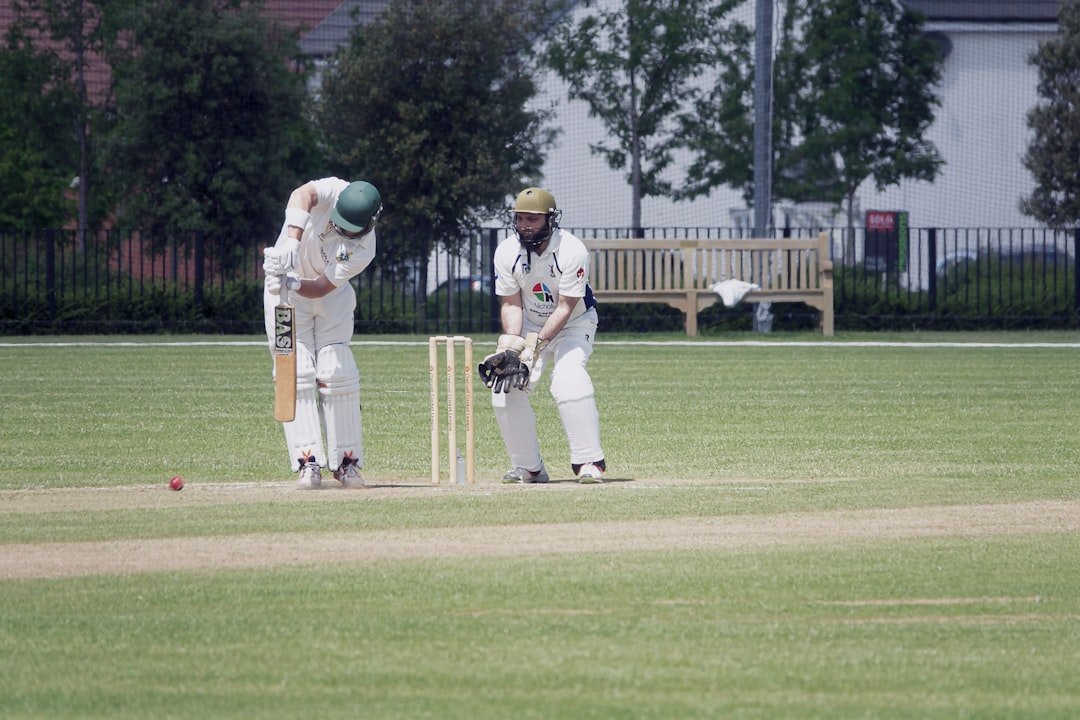
The front foot drive is one of cricket’s most important shots. When the ball is full (meaning it lands close to you), step forward with your front foot towards the ball and swing through. Use a tee or short toss to practise this movement. Keep your head still and eyes level throughout the shot.
6. Back Foot Defence
When the ball is short (landing further away and bouncing up), you move onto your back foot to defend or play. Step back and across towards your stumps (the three wooden posts behind you), and press the bat firmly down on the ball. This drill teaches you to handle pace and bounce.
7. Footwork Ladder Drill
Good footwork gets you into position before the ball arrives. Use a rope ladder or draw boxes on the ground. Practise moving forward, back, and sideways quickly with light feet. Do this for two minutes a day. Fast, balanced footwork is what separates good batters from average ones.
8. Wall Ball Drill
Throw a tennis ball against a wall and bat it back as it rebounds. The unpredictable bounce trains your reactions and eye coordination fast. This is one of the most enjoyable cricket batting drills for beginners and you only need a wall, a ball, and a bat.
Tips to Get the Most from Your Practice Sessions
- Practise for 20 to 30 minutes every day rather than one long session per week.
- Always warm up your shoulders, wrists, and legs before picking up a bat.
- Record yourself on your phone so you can spot technique errors easily.
- Ask a friend or coach to watch and give honest feedback.
Common Mistakes Beginners Make
- Gripping the bat too tightly, which reduces timing and power.
- Taking their eyes off the ball just before contact.
- Standing too stiff with locked knees instead of staying relaxed and ready.
- Trying advanced shots before mastering the basics.
How Long Before You See Real Improvement
Most beginners notice a clear difference in their timing and confidence within two to four weeks of regular drilling. Progress feels slow at first, but stick with these exercises. Every great batter, from Sachin Tendulkar to Steve Smith, started exactly where you are now.
The key is patience and repetition. Each drill in this list targets a specific part of your game, so work through them in order and revisit the ones that challenge you most. The more you drill the basics, the more freedom you will have to express yourself when it matters in a real match.
Start with the stance check and shadow batting today, add one new drill each week, and you will be amazed how quickly your batting develops. These cricket batting drills for beginners are your fastest route from nervous newcomer to confident batter.