
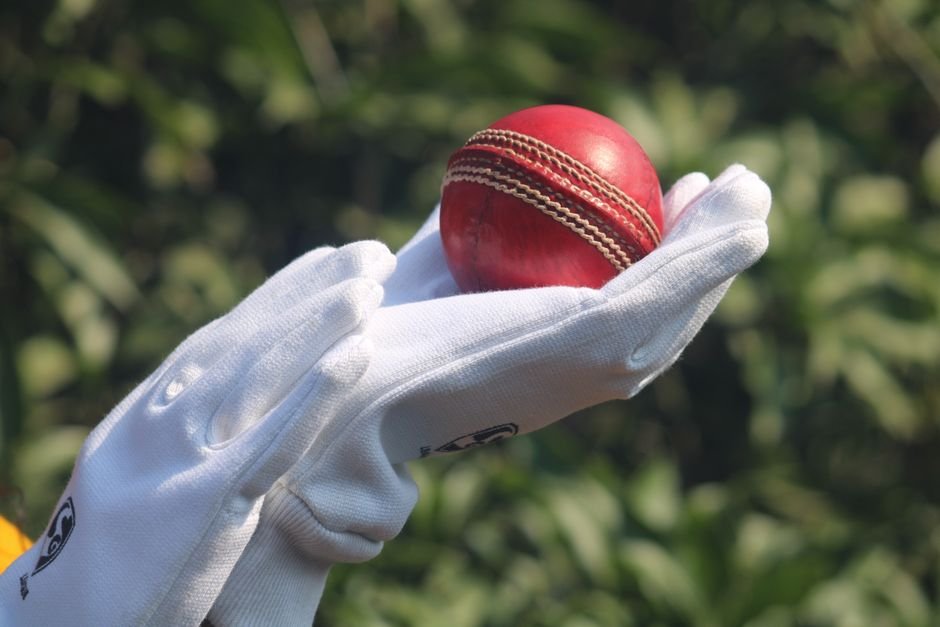
If you have ever watched Shane Warne deceive a batter or Anil Kumble crash one through the gate, you already know how magical leg spin can be. Learning how to bowl leg spin takes patience and practice, but with the right grip, wrist position and loop, any club bowler can develop a potent weapon. This guide breaks it all down in a clear, step-by-step way so you can start spinning it on your very next net session.
Table of Contents
The Leg Spin Grip: Your Foundation
Everything starts with the grip. Get this wrong and no amount of wrist work will save you. The good news is the grip is simpler than most people think.
- Place the ball across the top joint of your index and middle fingers. These two fingers sit comfortably across the seam.
- The third finger does the real work. Bend it so the top joint rests against the seam. This finger is your primary spinning finger.
- The thumb and little finger act as supports. Keep them relaxed and lightly in contact with the ball.
Kookaburra Cricket Match Ball
Practice your leg spin with a quality match ball — the raised seam helps you feel every wrist rotation.
ⓘ Affiliate link — we earn a small commission if you buy, at no extra cost to you.
Hold the ball with a firm but not tight grip. Tension is the enemy of spin. Think of it like holding a small bird, secure but gentle.
How to Bowl Leg Spin: Wrist Position is Everything
If the grip is your foundation, your wrist position is the engine. This is what separates a leg spinner from a medium-pace bowler who just floats it down. Mastering wrist position is the single most important step when learning how to bowl leg spin.
- Cock your wrist inward at the start of your delivery stride. As you load up and bring your bowling arm over, rotate your wrist so the back of your hand faces the batter at the point of release. This feels awkward at first. That is normal.
- Drive the third finger through the ball at the moment of release. This flicking action, combined with the cocked wrist, generates the overspin and side spin that makes the ball turn. Think of it as flicking a coin off your fingers.
- Follow through with your wrist rotating outward after release. Your wrist should end up facing away from you. If it does, you have completed the action correctly. This follow-through is your confirmation that the delivery was bowled correctly.
- Keep your bowling arm high. A high arm creates more overspin, which gives the ball that essential dip before it pitches. Low arm leg spin is harder to control and drifts less effectively.
- Stay side-on in your delivery stride. A side-on action helps you get more shoulder rotation, which adds power and snap to your wrist through the crease.
The Importance of Loop and Flight
Loop is what makes leg spin dangerous. A flat leg spinner is far easier to play than one who gets the ball dipping late. Aim to bowl the ball on a slightly loopy trajectory, not a flat line. The overspin you generate with your wrist naturally pulls the ball down, creating that deceptive dip that rushes batters into the shot early.
Practice tossing the ball up a fraction more than feels comfortable. Most beginners bowl too flat because they are afraid of being hit. Trust the spin and trust the loop. It will reward you.
Key Variations Every Leg Spinner Needs
Once you have the stock leg break working, it is time to add variety. Here are the three variations you should develop once you understand how to bowl leg spin consistently.
- The Googly (Wrong’un): The wrist rolls over the top and the ball turns into a right-handed batter rather than away. Keep the same action as your stock delivery for as long as possible before releasing.
- The Top Spinner: Bowled with the wrist directly behind the ball. It skids on straight and hurries the batter. Perfect for the yorker length.
- The Flipper: Squeezed out from under the hand using the thumb and first two fingers. It stays low and is a wicket-taking surprise delivery, best used sparingly.
Do not rush to add variations. Spend at least several weeks mastering your stock delivery before experimenting with these.
Common Mistakes and How to Fix Them
- Bowling too fast: Pace kills spin. Slow down and let the revolutions do the work.
- Wrist not cocking early enough: Get into the habit of setting your wrist before your arm comes over. Drill it in shadow bowling at home.
- No follow-through: If your wrist stops at release, the ball will not spin. Bowl through the delivery, not just to it.
Building Consistency Through Practice
Set a target stump or a coin on the pitch and bowl at it repeatedly. Accuracy and spin must be developed together. Bowl in short, focused spells of 20 to 30 deliveries rather than grinding through long tiring sessions. Video yourself from side-on and behind to check your wrist position and arm height. A bowling partner or coach who can give live feedback will accelerate your progress enormously.
Learning how to bowl leg spin is one of the most rewarding journeys in cricket. It demands dedication, a willingness to get hit in the early stages, and a genuine love for the art. Follow these steps, stay consistent, and you will be turning it sharply and taking wickets before the season is out. Keep spinning.