
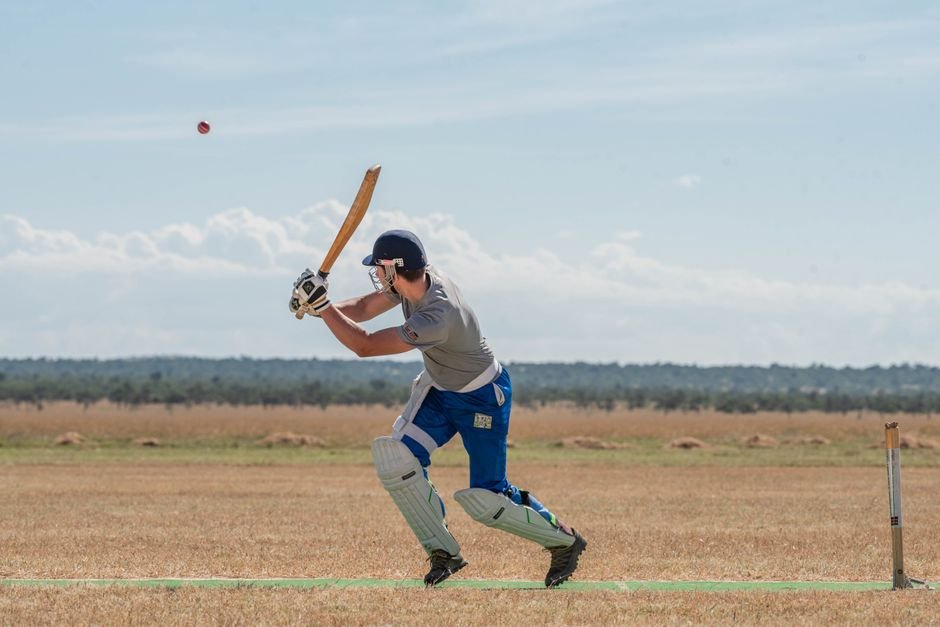
Whether you’re a beginner picking up a bat for the first time or an experienced club player looking to sharpen your technique, a solid foundation starts with your stance. This cricket batting stance guide breaks down exactly how to position your feet, align your head, and grip the bat so you can watch the ball clearly and play with confidence from the very first delivery.
Table of Contents
Why Your Batting Stance Matters More Than You Think
A poor stance creates problems that ripple through every shot you play. If your feet are wrongly positioned, your balance is off. If your head tilts, your eye line shifts and you misjudge length. If your grip is too tight, you lose timing and fluency.
The best batters in the world, from Virat Kohli to Steve Smith, have refined their stances over years of practice. While individual styles vary, every effective stance shares the same core principles. Getting these right early saves years of bad habits.
Gray-Nicolls Kronus 800 Cricket Bat
Practice your perfect stance with a professional-grade bat built for balance, timing and control.
ⓘ Affiliate link — we earn a small commission if you buy, at no extra cost to you.
Feet Positioning: The Base of Your Cricket Batting Stance Guide
Your feet are your foundation. Get them wrong and nothing else works properly.
- Stand parallel to the crease, with feet roughly shoulder-width apart for balance and mobility.
- Point your front foot slightly towards mid-on, not directly down the pitch. This opens your hips naturally.
- Keep your weight evenly distributed between both feet, or fractionally on the balls of your feet, ready to move in any direction.
- Avoid standing too wide. An overly wide stance restricts your footwork and limits your ability to get forward quickly.
Your back foot should sit just inside or on the batting crease. Your front foot points gently towards the bowler. Think of it as a ready position, athletic and balanced, not rigid or flat-footed.
Head Position: The Most Overlooked Element
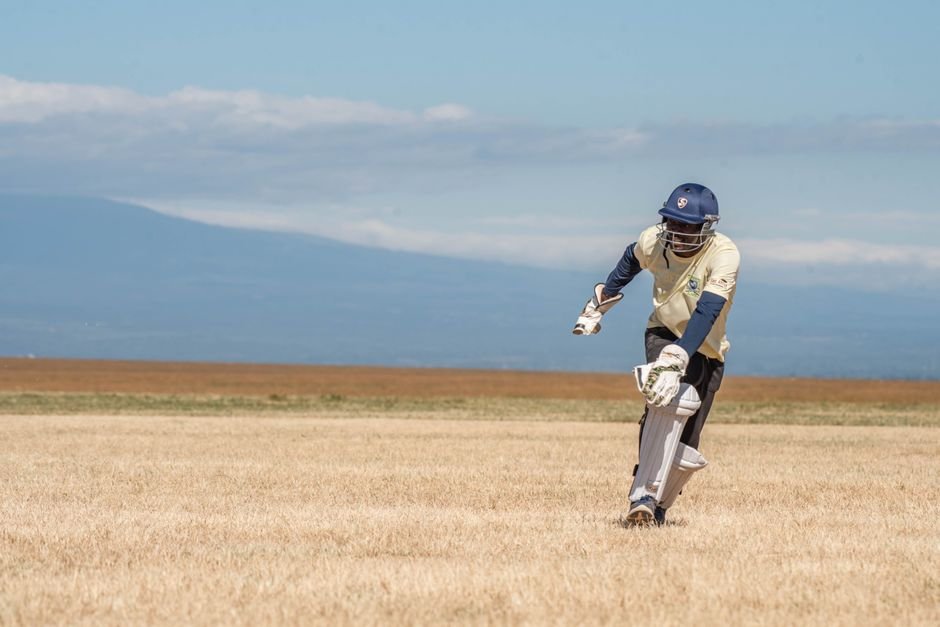
Coaches consistently say head position is the single biggest factor in batting success. Both eyes must be level and facing the bowler to judge line, length and pace accurately.
Tilt your head towards the off side and you will consistently play across the line of straight deliveries. Tilt it too far leg side and you will struggle with the away-swinger.
- Keep your chin tucked in slightly, not jutting forward.
- Your eyes should be as close to level as possible. Some tilt is natural, but minimise it.
- Watch the bowler’s hand from the top of their delivery stride, not just at the point of release.
A useful drill is to practice your stance in front of a mirror. Check that both eyes are visible and level. Small adjustments here produce immediate results at the crease.
Bat Grip: Control Without Tension
The correct grip allows power, control and touch. Grip the bat too tightly and you become stiff, losing timing on every shot. Grip it too loosely and the bat twists on impact.
The V-grip technique is the universal starting point. When you hold the bat face-up in front of you, the V formed by the thumb and index finger of each hand should point roughly towards the outside edge of the bat, between the splice and the edge.
- Top hand (left hand for right-handers) provides control and direction.
- Bottom hand provides power, but should not dominate the stroke.
- Grip pressure should feel like holding a small bird. Firm enough to keep control, gentle enough not to crush it.
Keep your bottom hand grip relaxed at the trigger movement and address position. Tighten slightly only at the moment of impact. This single adjustment often transforms a batter’s timing instantly.
Bringing It All Together: The Complete Stance
Once you understand each element individually, the goal is to combine them into one natural, repeatable position before every delivery. Here is the full checklist:
- Feet shoulder-width apart, front foot angled slightly towards mid-on.
- Weight on the balls of both feet, ready to move.
- Head level, both eyes facing the bowler, chin slightly in.
- Bat resting near the back foot, face angled slightly towards the bowler.
- Hands relaxed on the grip, V’s aligned along the outside edge.
- Knees slightly bent, body leaning gently towards the bowler.
Run through this checklist before you face your first ball of any innings. With repetition, it becomes automatic and you stop thinking about stance and start thinking about the ball.
Conclusion
This cricket batting stance guide gives you the technical tools to build a repeatable, balanced starting position at the crease. Mastering your feet, head and grip will not guarantee runs immediately, but it will remove the technical barriers that prevent you from playing your best cricket. Practise your stance in the nets, review it regularly, and build from a solid base every time you walk out to bat.