
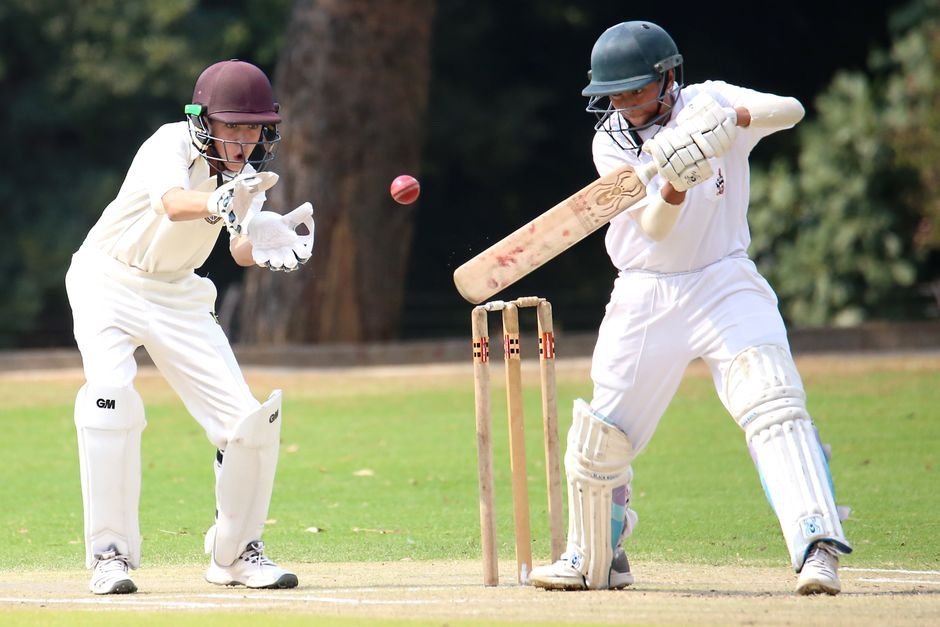
Learning how to keep wickets in cricket is one of the most rewarding skills you can develop. The wicketkeeper is involved in every single delivery, and a sharp keeper can change the outcome of a match. Whether you are just starting out or looking to sharpen your technique, this guide breaks down everything you need to become a reliable keeper behind the stumps.
Table of Contents
Understanding the Wicketkeeper’s Role
The wicketkeeper is the most active fielder on the pitch. You are the captain’s eyes and ears, organising the field, reading the bowler, and creating pressure on every ball. A great keeper does not just stop the ball. They anticipate it.
Before you focus on glove work, understand your responsibilities:
Gray-Nicolls Wicketkeeper Gloves
Professional-grade keeping gloves with superior grip and padding to help you take the ball cleanly every delivery.
ⓘ Affiliate link — we earn a small commission if you buy, at no extra cost to you.
- Collect every delivery cleanly and return it quickly
- Communicate with bowlers and fielders constantly
- Read the pitch and adjust your position accordingly
- Stay mentally sharp for every one of the 90-plus overs in a day
How to Keep Wickets in Cricket: The Starting Position
Your stance is the foundation of everything. Get this wrong and even good footwork will not save you. A low, balanced stance gives you the best chance of reacting to any delivery.
- Feet placement: Stand with your feet slightly wider than shoulder-width. Your weight should be evenly distributed on the balls of your feet, not your heels.
- Body height: Sink low into your crouch before the ball is bowled. Your thighs should be parallel to the ground. Avoid crouching too late as the bowler runs in.
- Eyes level: Keep your eyes level with the top of the stumps. This gives you the best view of the ball’s line and length as it leaves the pitch.
- Hands ready: Hold your gloves together loosely in front of your body, just inside your knees. Do not reach forward. Let the ball come to you.
- Distance from stumps: For pace bowling, stand at least a metre behind the stumps. For spin, move up to the stumps but do not crowd them before the ball pitches.
Footwork: Moving to the Ball
Good footwork separates average keepers from excellent ones. You must move your feet before your gloves every time. Reaching with your arms instead of moving your feet is the most common mistake club keepers make.
Follow these movement principles:
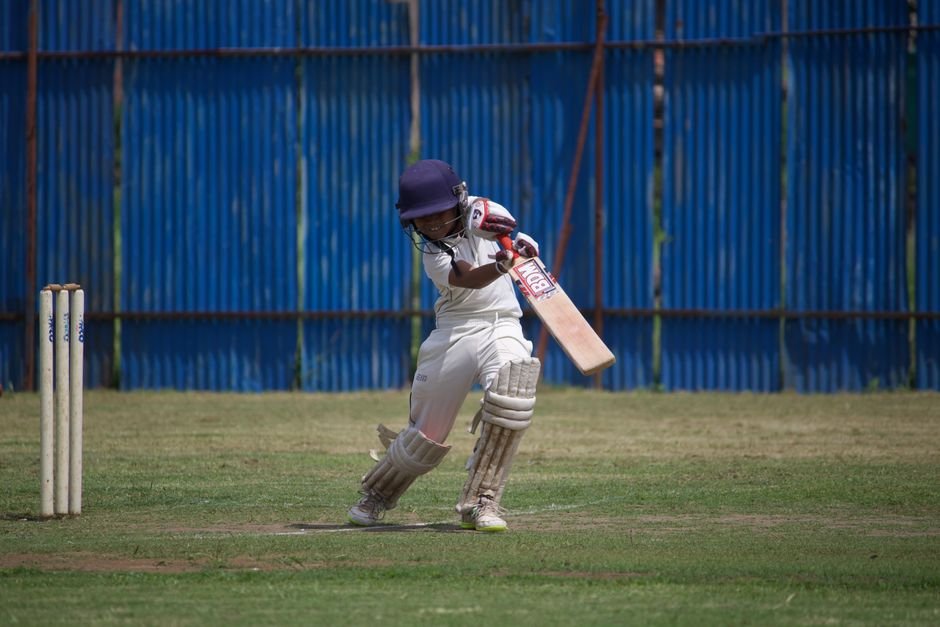
- Outside off stump: Use a side-step shuffle to move across. Do not cross your feet. Keep your body square to the ball.
- Leg side deliveries: Step across with your right foot first (for right-handers), then move your body into line. This keeps you balanced for a stumping or catch.
- Short deliveries: Rise quickly from your crouch by pushing up through your legs, not your back.
Drill to practise: Have a partner underarm feed balls to different positions while you focus purely on moving your feet before touching the ball. Do this daily for five minutes and your reactions will improve rapidly.
Glove Technique: Taking the Ball Cleanly
The gloves are your tools, not your first line of defence. Proper glove technique means soft hands and relaxed fingers. Tense hands cause dropped catches and fumbles.
- Soft hands: As the ball arrives, give slightly with your hands to absorb the impact. Think of catching an egg without breaking it.
- Two-handed catch: Always try to catch with both hands together. The top hand steadies the ball. The bottom hand cushions it.
- Finger position: For balls below the waist, point your fingers downward. For balls above the waist, point your fingers upward. Switching between these positions quickly takes practice but is essential.
- Stumpings: After taking the ball, bring your gloves back to the stumps in one smooth, controlled motion. Speed matters but accuracy matters more.
Standing Up to the Stumps for Spin Bowling
Standing up to spin is one of the most technical parts of knowing how to keep wickets in cricket. You must wait until the ball pitches before committing to a side. Moving too early is a guaranteed fumble.
Key tips for standing up:
- Watch the bowler’s hand and wrist to pick the turn early
- Stay in your crouch until the ball lands
- Be ready for extra bounce and sharp turn on rough pitches
Communication with your spin bowler is vital. Know which way they are turning the ball before every over so you can adjust your default position instinctively.
Building Consistency Behind the Stumps
Consistency is what separates a good keeper from a great one. Learning how to keep wickets in cricket properly means building repeatable habits through structured practice. Work with your bowlers in training, not just in match situations. The more balls you take in practice, the more automatic your reactions become in games.
Record yourself keeping during practice sessions. Watching yourself back reveals footwork faults and glove positioning errors that are impossible to feel in the moment. Be patient with your progress. Every top keeper in the world still works on their basics every single training session. Stay committed, stay low, and trust your preparation.