
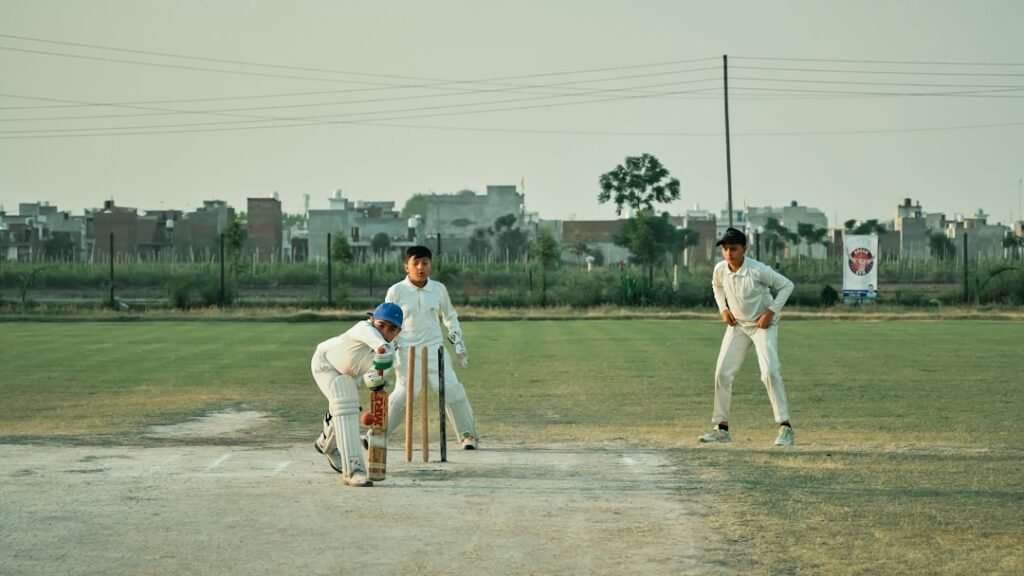
Photo by Picture & Poet on Unsplash
Learning to bat in cricket can feel overwhelming at first, but the right practice routine makes all the difference. These cricket batting drills for beginners are designed to build your technique step by step, so you gain confidence quickly. Whether you are picking up a bat for the first time or trying to fix early bad habits, these eight exercises will set you on the right path.
Table of Contents
- Why Drills Matter Before You Face a Real Bowler
- The 8 Best Cricket Batting Drills for Beginners
- 1. Grip and Stance Check
- 2. Shadow Batting
- 3. Throw-Down Drill
- 4. Tee Batting
- 5. Front Foot Drive Practice
- 6. Back Foot Defence
- 7. Soft Hands Catching Drill
- 8. Running Between the Wickets
- How to Structure Your Practice Sessions
- Common Mistakes Beginners Make
- How Often Should You Practise?
- Start Simple and Build Your Game
Why Drills Matter Before You Face a Real Bowler
In cricket, a bowler delivers (throws) the ball toward you at speed. Reacting correctly takes muscle memory, which means your body learns the right movements through repetition. Drills let you practise those movements slowly and safely before adding the pressure of a live delivery.
Skipping drills and jumping straight into matches is one of the most common beginner mistakes. You build bad habits fast that way, and they are hard to break later. A few weeks of focused drill work saves months of frustration.
Gray-Nicolls Cricket Batting Tee Training Aid
Practise your batting stance and swing anytime with a cricket tee — perfect for solo drill sessions at home.
ⓘ Affiliate link — we earn a small commission if you buy, at no extra cost to you.
The 8 Best Cricket Batting Drills for Beginners
1. Grip and Stance Check
Your grip is how you hold the bat. Your stance is how you stand at the crease (the marked area where you bat). Before hitting a single ball, spend five minutes each session checking both. The V-shape formed by your top hand’s thumb and forefinger should point toward the bat’s outer edge. Feet should be shoulder-width apart, knees slightly bent.
2. Shadow Batting
Shadow batting means practising your swing without a ball at all. Stand in front of a mirror or ask a friend to watch. Play imaginary shots, focusing on keeping your elbow high and your head still. Do this for 10 minutes daily. It feels simple, but it rewires your muscle memory faster than almost anything else.
3. Throw-Down Drill
A throw-down is when a coach or teammate kneels nearby and gently tosses the ball underarm toward you. This is the safest and most effective way to begin hitting a real ball. Start with slow, predictable deliveries aimed at the same spot every time. Focus on timing, not power.
4. Tee Batting
A batting tee holds the ball completely still on a small cone. This removes timing pressure entirely. Hit 20 to 30 balls off the tee each session, focusing purely on your bat swing and contact point. It is the same method used in baseball coaching and works brilliantly for cricket beginners too.
5. Front Foot Drive Practice
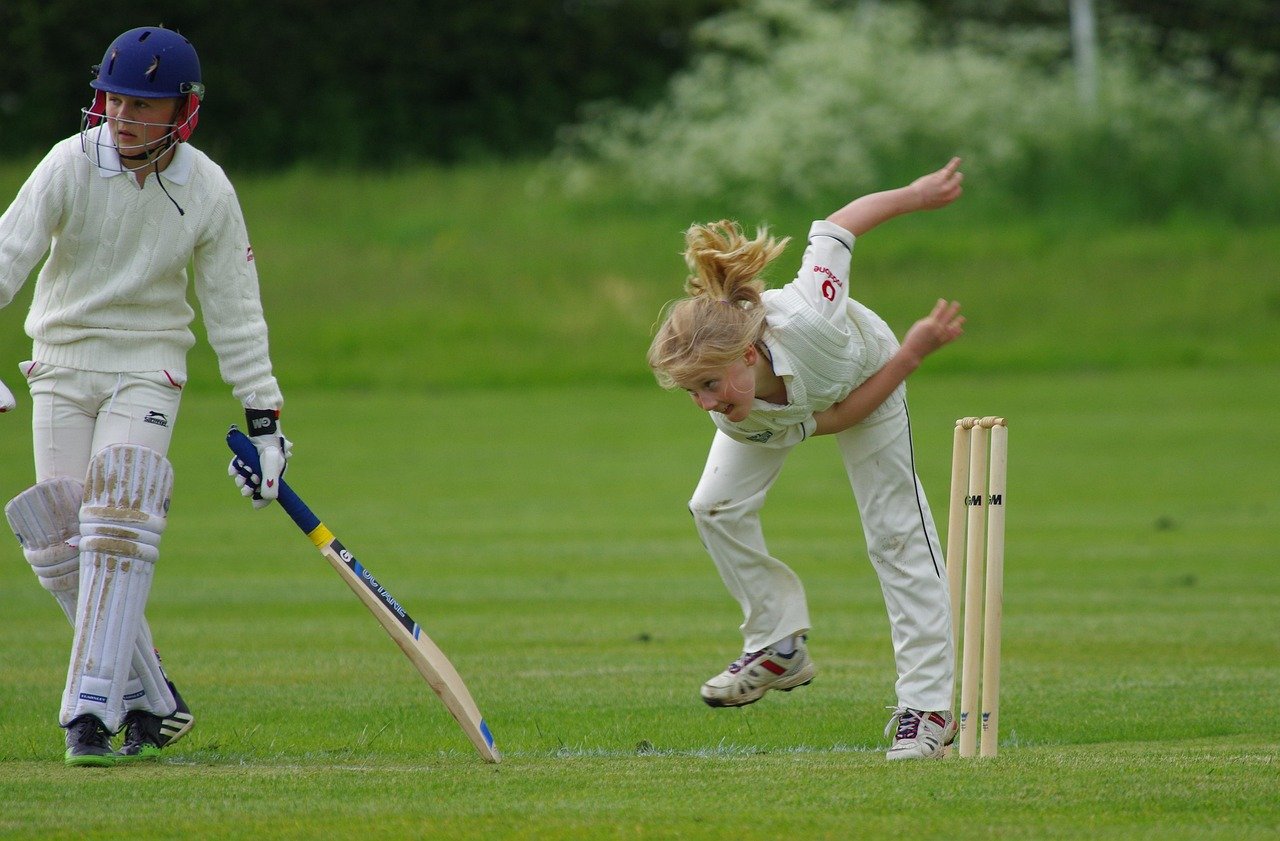
The front foot drive is a classic cricket shot played to a ball that pitches (lands) close to you on a good length. Step forward with your front foot toward the ball and drive it straight back down the ground. Use a throw-down or tee to repeat this 20 times per session until the movement feels natural.
6. Back Foot Defence
When the ball is short (bounces closer to the bowler), you move onto your back foot. Back foot defence means shifting your weight back and blocking the ball safely with a straight bat. Practise this with slow throw-downs. A straight bat is the single most important technical skill a beginner can develop.
7. Soft Hands Catching Drill
This drill improves your feel for the ball. Stand two metres from a partner and let them throw the ball at your bat gently. Instead of hitting, absorb the ball by relaxing your hands at the moment of contact. This teaches the “soft hands” technique used to play delicate shots and avoid being caught out.
8. Running Between the Wickets
Batting is not just about hitting. Running between the wickets (the three stumps at each end of the pitch) earns you runs when you do not hit a boundary. Practise calling “yes” or “no” clearly with a partner and sprinting the 22-yard pitch length. Good running can add 15 to 20 extra runs to your score in a match.
How to Structure Your Practice Sessions
- Warm up with 5 minutes of shadow batting before any drill
- Spend no more than 15 minutes on each drill to stay focused
- Always end with throw-downs to apply what you have just drilled
- Record yourself on your phone to spot technical errors
Common Mistakes Beginners Make
- Gripping the bat too tightly, which reduces timing and power
- Moving your head sideways instead of keeping it still and upright
- Skipping the basics and trying to hit big shots too early
- Practising only one type of shot instead of a balanced routine
How Often Should You Practise?
Three sessions per week is the ideal starting point. Each session should last 45 to 60 minutes. Consistency matters far more than long occasional sessions. Even 20 minutes of focused drill work daily beats a three-hour session once a week.
Progress can feel slow at first, but it compounds quickly. Most beginners notice real improvement in their timing and confidence within four to six weeks of regular practice.
Start Simple and Build Your Game
These cricket batting drills for beginners are not complicated, and that is the point. Great batters are built on simple, well-repeated fundamentals. Start with the grip check and shadow batting this week. Add one new drill each session. Before long, you will step into the crease feeling prepared and confident rather than nervous. Every great batter in the world started exactly where you are now.